Are you keen to embrace the green home bandwagon? With the increasing push for sustainable living, upgrading to a green home definitely makes sense. In 2023, homeowners have the opportunity to make the sustainable switch because of the immense growth of green real estate. You can do your bit for the planet and save money in the long run by moving to an eco-friendly lifestyle.
But you must know some facts and figures first. According to the Environmental Protection Agency (EPA), buildings in the US account for 68% of electricity consumption, 39% of carbon dioxide emissions, and 12% of water consumption.
However, not all statistics are daunting. The National Association of Home Builders (NAHB) reports that green properties have grown from 2% of the real estate market in 2005 to 26% in 2021. The estimated growth projected by 2026 is a whopping 38%.
The benefits of a sustainable home extend beyond reducing your environmental footprint. You can make financial gains and improve your overall quality of life by moving to a new place with eco-friendly features. Here are some reasons why upgrading to a green home in 2023 is worth considering.
1. Lower your carbon footprint
Lowering your carbon footprint is the primary reason to swap your home with a sustainable one. A green property has design features to minimize energy consumption by maximizing natural light, fresh air, and temperature control.
Moreover, energy-efficient appliances, LED light bulbs, and low-flow toilets and showerheads significantly reduce energy consumption and water usage. Add up everything, and you will be surprised how much you can do your bit for the environment by upgrading to a better living space.
2. Improve your indoor air quality
Indoor air quality determines the health of the residents. Poor quality is a daunting concern for homeowners, as it can lead to allergies, respiratory issues, and other health problems. Your loved ones may fall ill often, even for unknown causes.
Upgrading to a green home is wise because it inherently offers optimal indoor air quality. Better ventilation and the use of natural building materials and non-toxic paints and polishes enhance the air quality and overall comfort of your home.
3. Increase your home's value
A home is perhaps the biggest investment one makes in a lifetime. So you will surely want it to be a profitable one. According to a study by the NAHB, green homes command a higher resale value than traditional ones. It also suggests that buyers are ready to pay an average of 3.5% more for a property with green features.
The good thing is that you can easily pick these properties by finding like-minded land developers. These business owners go the extra mile with sustainable building practices, from Site Selection to eco-friendly designs and the use of local materials. Upgrading means setting yourself up for high profits when deciding to sell.
4. Take advantage of tax incentives
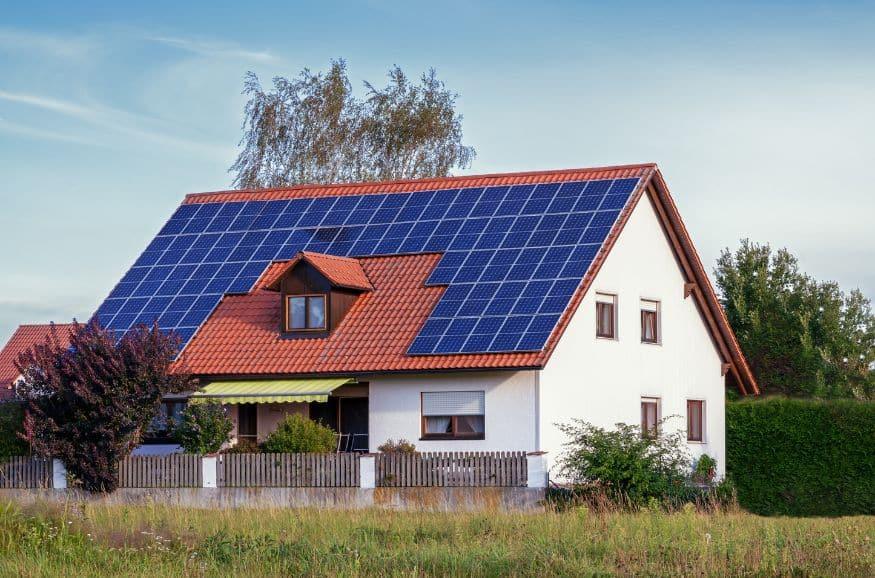
Another reason to upgrade to a green home in 2023 is that you get an advantage of tax incentives. The federal government offers tax benefits and incentives for homeowners owning energy-efficient properties. These incentives can include tax credits, rebates, and other financial benefits for solar installations.
You may have to pay more to buy the house, but it pays back sooner than later. Add the energy incentives over the years, and you will realize that covering the extra initial expense is only a matter of a few years.
5. Support renewable energy sources
Renewable energy sources can save the environment because they never get depleted. Unlike grid-based electricity, solar panels, wind turbines, and geothermal systems renew themselves as they have unlimited natural reserves.
Green homes incorporate renewable energy sources, making them a favorite for eco-conscious buyers. These properties support the growth of renewable energy by reducing dependency on fossil fuels. Consider it a small contribution to conserving the resources for the next generations.
6. Contribute to a healthier community
Upgrading to a green home not only benefits your budget in the long run. It also contributes to a healthier community. You can set an example for others by helping promote sustainable living practices, improve air and water quality, and lower waste.
Additionally, non-toxic materials in green homes reduce the overall toxicity of the environment. These factors lead to a healthier and safer community for all residents. Others are likely to follow your lead and switch to a better lifestyle with a similar upgrade.
Upgrading to a green home in 2023 is a responsible choice. The price difference between your current place and the new one may seem daunting, but every dollar is worthwhile. You end up investing in the health of your loved ones. Moreover, sustainable properties lower your living expenses and set you up for lucrative deals while reselling. So why wait? Upgrade to a green home this year and embrace a more sustainable lifestyle. You will not regret the choice!



0 comments