Want to teach your kids about the importance of protecting our planet without them rolling their eyes? How about trying out these five DIY activities that'll make environmental education a breeze?
These activities are super fun, easy to follow, and will have your kids hooked in no time. So, grab your kiddos, grab some supplies, and let's get eco-curious!
Solar Panel Exploration
Harnessing the power of the sun is an excellent way to introduce kids to renewable energy. Begin by explaining the concept of solar energy and its benefits for the environment.
One surefire way to educate your kids about solar power is to show how it works through solar panels and therefore makes your home more sustainable. Yet while solar panel cost in the UK continues to decrease, embarking on a DIY project to create a simple solar-powered device is a more affordable solution to kick-start environmental education.
One exciting project is constructing a solar oven using cardboard, aluminium foil, and a few other materials. This hands-on experience not only teaches kids about sustainable energy but also demonstrates the practical applications of solar power.
Materials:
- Cardboard box
- Aluminium foil
- Glue
- Plastic wrap
- Black construction paper
- Thermometer
- Tape
Instructions:
- Line the inside of the cardboard box with aluminium foil, ensuring it reflects sunlight.
- Cut a flap in the box and cover it with plastic wrap to create an oven window.
- Cover the bottom of the box with black construction paper to absorb heat.
- Place the thermometer inside the box.
Set the solar oven in direct sunlight and watch as it heats up. Use it to cook simple snacks like s'mores or melt cheese on nachos.
Eco-Friendly Toothpaste
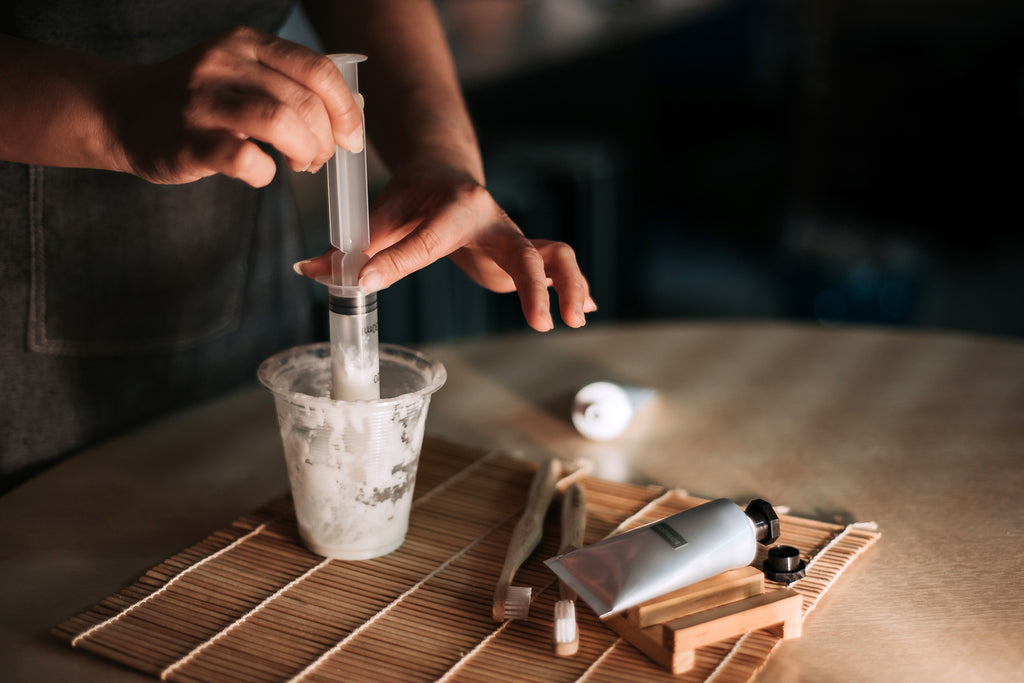
Promote sustainable oral care habits by creating your own eco-friendly toothpaste with kids. Discuss the environmental impact of traditional toothpaste tubes and the benefits of using natural ingredients.
This activity encourages creativity while emphasizing the importance of choosing sustainable alternatives.
Materials:
- Baking soda
- Coconut oil
- Peppermint essential oil
- Glass jar with lid
Instructions:
- Mix 4 tablespoons of baking soda with 2 tablespoons of coconut oil in a bowl.
- Add a few drops of peppermint essential oil for flavour.
- Stir the ingredients until you achieve a smooth paste.
- Transfer the toothpaste into a glass jar with a lid for storage.
- Discuss the environmental benefits of using homemade toothpaste and how it reduces plastic waste.
Seed Bombs for Guerilla Gardening
Teach kids about the significance of biodiversity and the importance of green spaces by creating seed bombs for guerilla gardening.
This DIY activity is not only educational but also encourages children to actively contribute to environmental conservation.
Materials:
- Clay
- Compost
- Seeds (wildflowers or native plants)
- Water
Instructions:
- Mix equal parts clay and compost in a bowl.
- Add a small amount of water to create a moldable mixture.
- Form small balls with the mixture, embedding seeds within each ball.
- Allow the seed bombs to dry completely.
- Take the seed bombs to a local park or unused area, and toss them onto bare soil. Watch as they grow into vibrant plants, promoting biodiversity in unexpected places.
Upcycled Bird Feeders
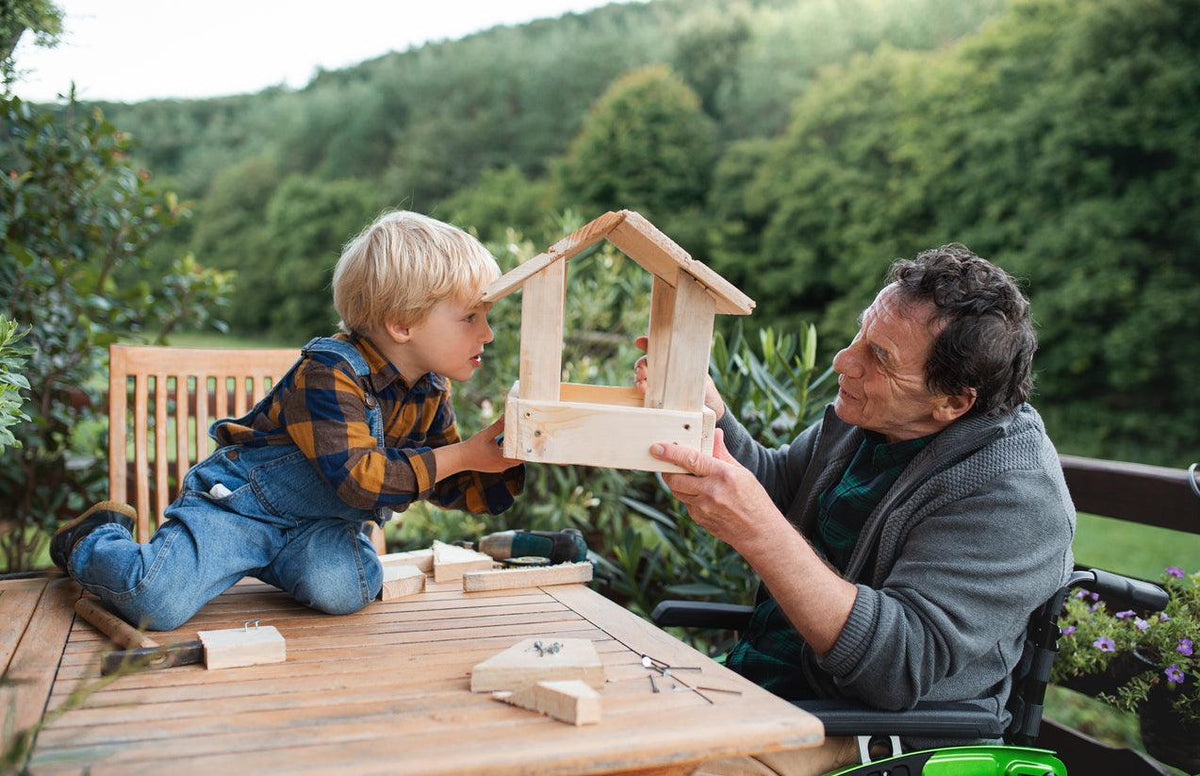
Teach kids about the importance of wildlife conservation with a fun and creative DIY project – upcycled bird feeders. Discuss the significance of birds in maintaining ecological balance while repurposing household items to create personalized feeders.
Materials:
- Empty plastic bottles
- Wooden spoons
- Acrylic paint
- String or twine
- Birdseed
Instructions:
- Cut a hole in the plastic bottle large enough for a wooden spoon handle to fit through.
- Paint the bottle with vibrant colours to attract birds.
- Insert a wooden spoon through the hole, creating a perch for the birds.
- Tie a piece of string or twine around the neck of the bottle for hanging.
- Fill the bottle with birdseed and hang it in a suitable outdoor location.
This activity not only provides a valuable lesson on the importance of wildlife but also encourages kids to repurpose materials, promoting the principles of reduce, reuse, and recycle.
Sustainable Cooking Challenge
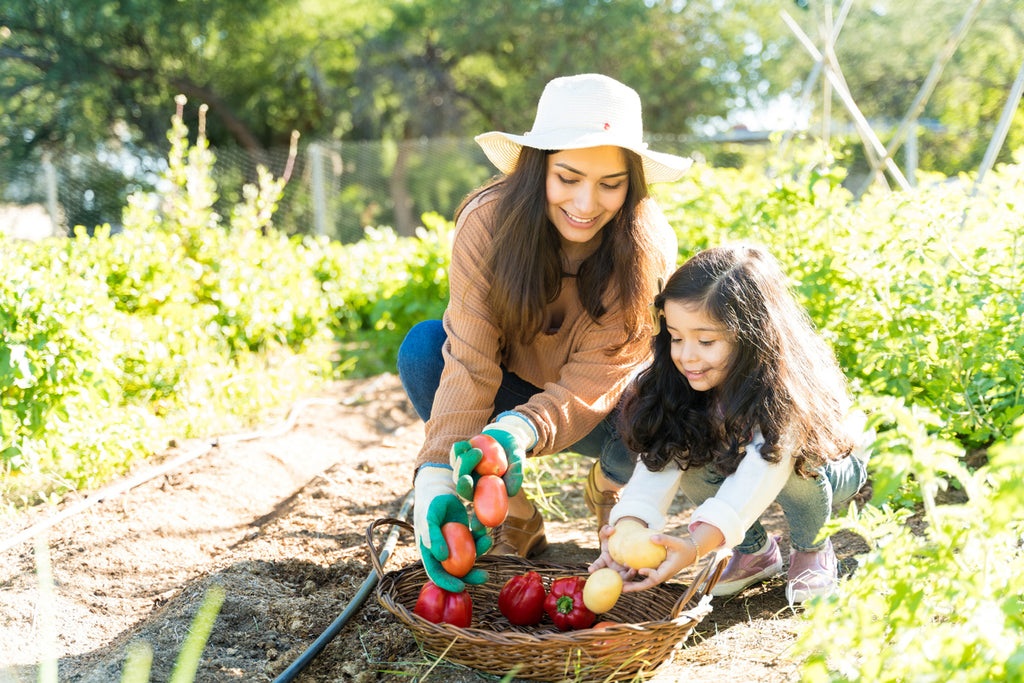
Engage kids in a sustainable cooking challenge that not only introduces them to basic culinary skills but also emphasizes the importance of choosing locally sourced and environmentally friendly ingredients.
Discuss the carbon footprint associated with food transportation and the benefits of supporting local farmers.
Materials:
- Locally sourced fruits, vegetables, and other ingredients
- Simple recipes for snacks or meals
- Cooking utensils
Instructions:
- Choose recipes that utilize locally sourced and seasonal ingredients.
- Discuss the environmental impact of supporting local farmers and reducing food miles.
- Involve kids in the preparation and cooking process.
- Enjoy the delicious results together while reinforcing the importance of making eco-conscious food choices.
Now, if thought, "My kids are too busy watching YouTube to care about the environment." – no more excuses!
These DIY activities are so much fun that your kids won't even realize they're learning about sustainability. Plus, they're a great way to bond with your kids and create lasting memories.
Through activities involving solar panels, toothpaste, cooking, and more, we can cultivate a generation that values and contributes to a healthier, more sustainable planet.