What is the main problem of sustainable living? The a need to change your habits. Most people understand the meaning and need for a healthy existence on Earth without harming it, but either underestimate their contribution or are simply not willing to pay the price for it. To some extent, they are simply not fully aware of their involvement in the processes in the world and documentaries are that very ray of light in these matters. Watching documentaries about sustainability and reflecting on this topic is the main condition for self-analysis and searching for opportunities for self-improvement. Here's a selection of documentaries to get you started.
Best Documentaries About Sustainability
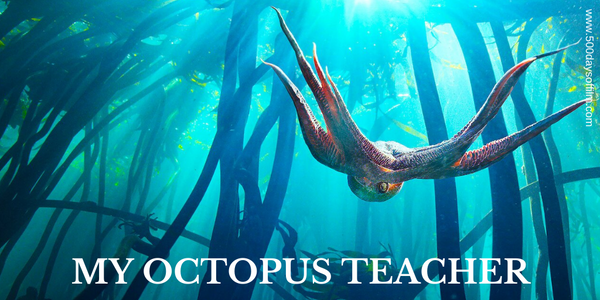
1- My Octopus Teacher - 2020
Funny title "My Octopus Teacher", but deep meaning. The documentary clearly demonstrates the relationship between man and nature using the example of free-diver Craig Foster and an octopus. This is our way into the world of octopuses, which surprises with emotional depth and intelligence. The basis is based on the results of research from various universities.
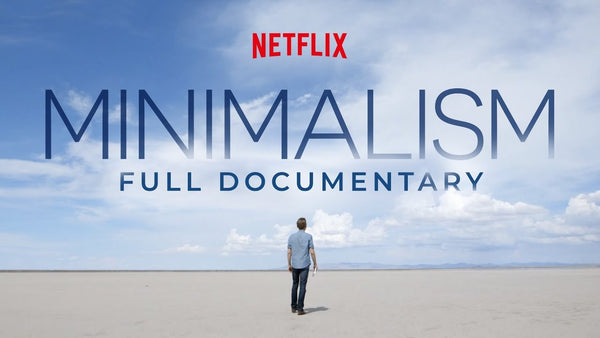
2- Minimalism - 2015
Have you noticed that you declutter only to end up with more clutter in your living space? A minimalist lifestyle is a possible solution to the problem of relentless and excessive consumption. The documentary suggests that you should always think about how what you buy will affect the environment. Minimalism is the next round of human development if it wants to reduce its impact on nature.
If you want to watch documentaries in your home region, you may not see them. If you have Apple TV and a VPN, you can improve the situation. Selecting the right VPN app is key—it's all about finding one that's reliable and can unblock your favorite shows with ease. VeePN works stably and unblocks any streaming services. With its help, you can change your region to any of 60 others.
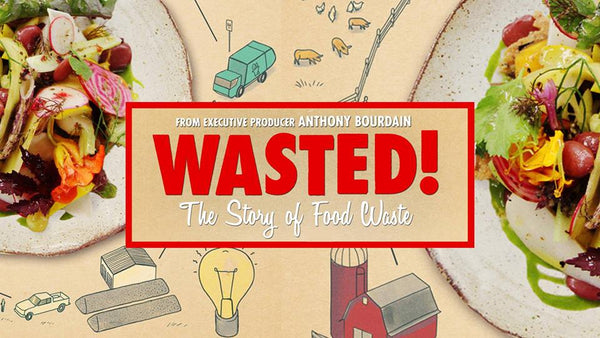
3- Wasted! The Story of Food Waste - 2017
At the core of sustainable living is the 6 R's of Zero Waste. One of the key principles is "Rethink", and the final stage is "Rot". The documentary takes us through the natural circulation of food products and the characteristics of their consumption. He also explores the causes of consumer habits. The central idea of the film is waste minimization. To do this, you need to start from the beginning, namely with consumption. This way we can reduce unavoidable waste for the environmental benefit of the entire Earth.
4- Cooked - 2016
The film includes as many as 4 parts, each of which sanctifies the basic elements of nature: fire, air, water, and earth. "Cooked" invites you to delve into the intricacies of cooking, culinary traditions and their interrelationships.
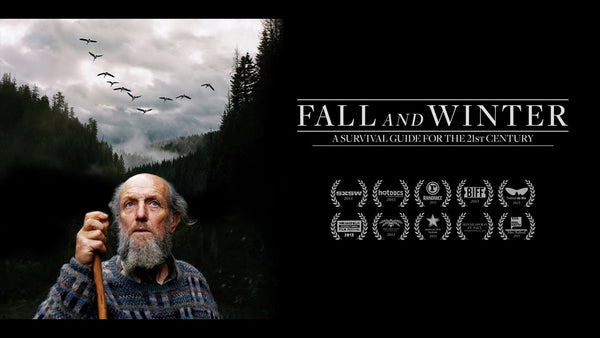
5- Fall and Winter - 2013
"Fall and Winter" is your next must-see documentary if you are looking for a non-standard approach and an alternative option for consecration. Here you will find an analysis of different points of view, including from indigenous peoples, scholar-reformers or fishermen. Based on the disaster in the Gulf of Mexico. During this time, both green building advocates and sustainable agriculture visionaries will have a chance to speak out. A comprehensive study of environmental issues will help us all take a more comprehensive look at the problems.
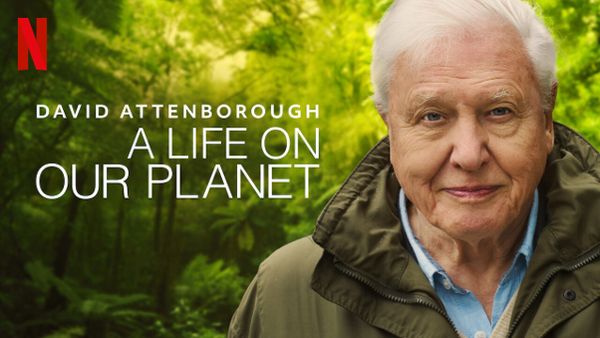
6- David Attenborough: A Life on Our Planet - 2020
David Attenborough is a 96-year-old icon of nature films. He has created more than 100 documentaries and this is one of his latest works. You witness a powerful reflection on the depths of the transformation of nature under human influence. This is not just another examination of problems, but also a search for effective solutions that can change the course of history. Notable features are ease of viewing and touching nature. After finishing watching, you will want to get up and make your contribution to the health of our planet.
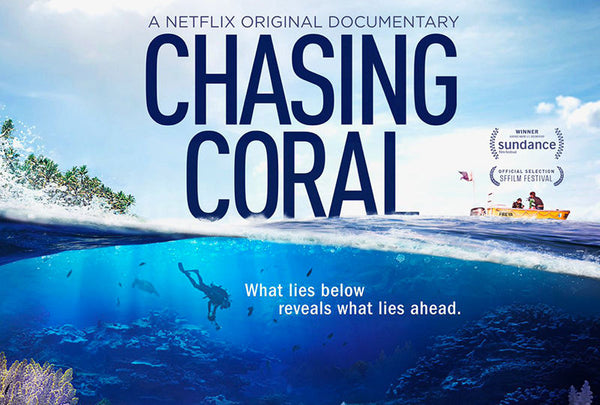
7- Chasing Coral - 2017
A coral reef is often seen as a reflection of the health and vitality of the ocean. It is home to an incredible amount of fauna and biodiversity. Coral bleaching is a major concern and is a warning sign of major changes in the ocean. The situation is similar in most regions of the world.
The documentary follows a team of divers, biologists and environmental photographers who regularly record habitat changes. The situation with corals reflects a grim reality - coral ecosystems are degrading. If humanity does not make urgent efforts to reduce environmental damage, the consequences could be dire.
Conclusion
Climate change, disruption of natural processes in the environment, and damage to all aspects of the world (earth, sky, and deep sea) is a reality today. Mitigating humanity's impact on the Earth is not just desirable, but necessary. A telling fact is that the Amazon rainforest, considered the lungs of the planet, reduces fossil fuel emissions by only 4%. And we're talking about the largest collection of plants and trees in the world. Humanity is at a fork in the road and for future life on this planet, we need to take action towards a sustainable existence today.




0 comments