Sustainable commercial buildings need more than impressive green features at launch. Solar panels, efficient lighting, passive ventilation and green certifications can all support better performance, but long-term sustainability depends on what happens after construction is complete. In this Friendly Turtle EcoBlog guide, we explore why operational management, embodied carbon, maintenance, tenant behaviour and accountability are just as important as architectural design. Energy-efficient systems only deliver lasting value when they are monitored, recalibrated and maintained properly, while materials such as concrete, steel and glass must be considered through their full lifecycle. Clear responsibilities between developers, building managers, tenants and investors can also help ensure that environmental targets remain practical and measurable over time. From reducing energy and water use to improving retrofit planning, material choices and long-term resilience, sustainable commercial buildings perform best when design, construction and everyday operation work together. True green development is not a one-off certification or marketing claim; it is an ongoing commitment to lower carbon impact, efficient resource use and continuous improvement throughout the life of the building.
Share your articles with us and get published! Reach out at hello@friendlyturtle.com.
5 Benefits of Reusable Bamboo Cutlery
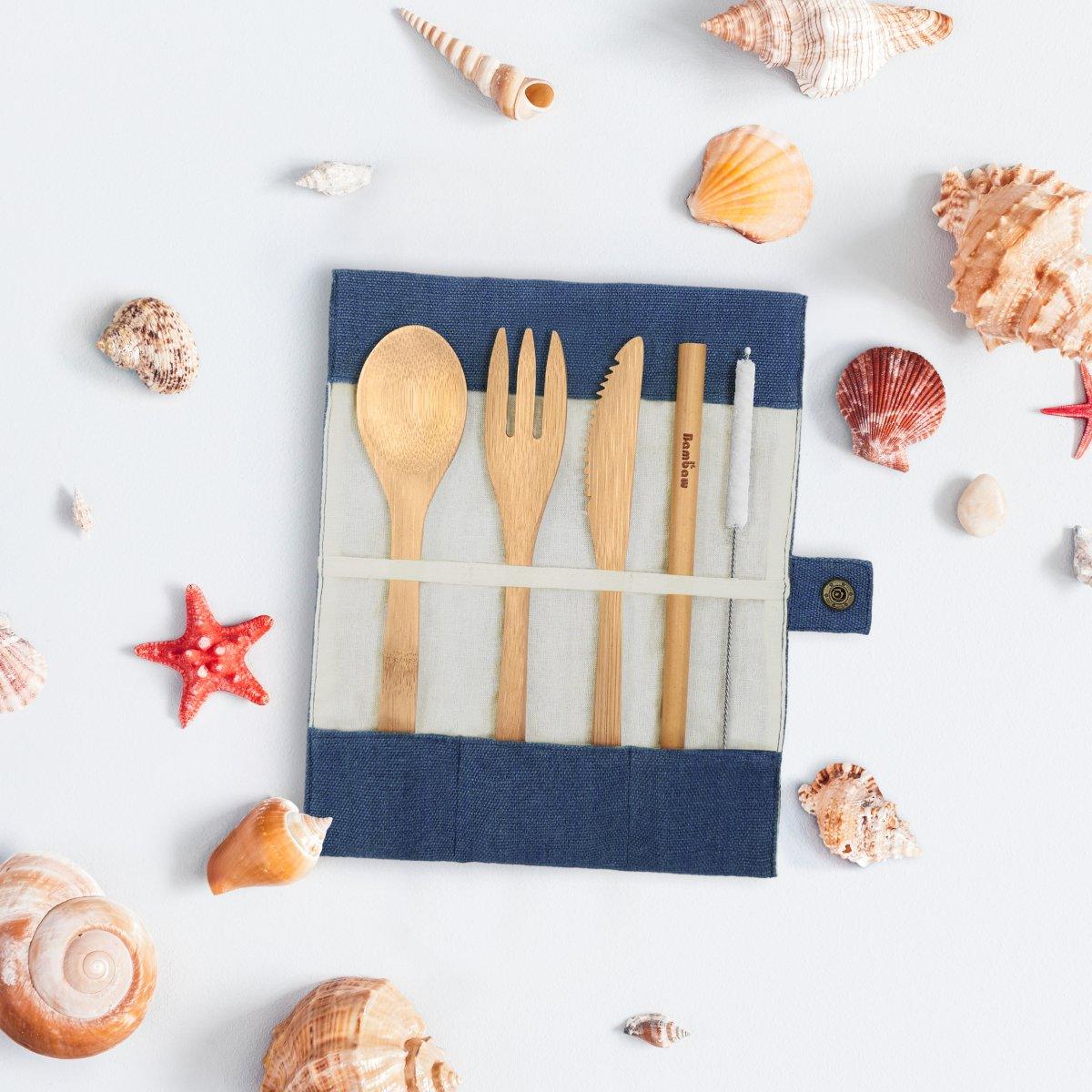
Eating out at fast-food restaurants and buying take-out would usually mean that the order comes with plastic cutlery. While it sounds convenient, it does some damage to the environment. Considered single-use plastics, those disposable plastic spoons, forks, and knives end up in the bin and into the landfill. To reduce your impact on the environment, you might want to consider switching to reusable eating utensils, such as a bamboo cutlery set. Here are five benefits that you can experience by making the switch:
Lighter than metal cutlery
Bamboo is a durable, natural, and sustainable material that is lightweight. It can be made into different natural products, including eco-friendly cutlery that you can bring anywhere without weighing down your bag significantly. That means you can also bring them when travelling or camping, and on picnics.
Odour and stain resistant
Bamboo is robust and can resist water, moisture, and heat. So, your reusable cutlery set will not absorb any odours from food. The material is stain-resistant, too, so your bamboo spoons, forks, and knives should be easier to clean.
Longer-lasting
Have you ever thought about reusing that plastic cutlery after washing them? Chances are, they will stain and become brittle over time. Moreover, they are usually fragile and may break when you use them to cut or fork hard, crunchy food. Your bamboo cutlery set is more durable and long-lasting than that. They are manufactured with a smooth finish, so they are not likely to become porous or rough after a few uses.
Stylish
The natural aesthetic of eco-friendly cutlery is undeniably stylish and attractive. That makes it a good gift to other people, too, especially if you want to encourage them to join the zero waste movement.
Affordable
A good reusable cutlery set is inexpensive and offers good value for your money because it is durable and will last a long time.
0 comments
Let customers speak for us
Blog posts
Tasmania’s climate may feel familiar to anyone used to cool summers, damp winters and fast-changing coastal weather, but sustainable shed design requires far more than copying a standard British garden building. In this Friendly Turtle EcoBlog guide, we explore how stronger UV exposure, salt-laden air, local wind conditions, reactive soils and seasonal moisture shape the way a resilient shed should be planned. Site-specific engineering, suitable corrosion-resistant materials, effective drainage and a properly prepared foundation can all help prevent premature damage and costly replacement. Ventilation, insulation and natural daylight also improve year-round usability while reducing condensation, rust, mould and unnecessary energy use. Just as importantly, building only to the size genuinely needed can lower material use and make the structure easier to heat, ventilate, maintain and adapt over time. Choosing standard, repairable components instead of proprietary parts can further extend the shed’s lifespan and keep valuable materials out of landfill. By matching the design to the actual site rather than relying on a generic template, homeowners can create a practical, efficient and long-lasting structure that responds intelligently to Tasmania’s sun, salt, wind and rainfall.
