Self-care is often spoken about, yet it is rarely approached in a way that feels truly realistic or sustainable in everyday life. In this Friendly Turtle EcoBlog guide, we explore a more balanced and practical perspective on wellbeing, focusing on habits that are easy to maintain rather than overwhelming routines that quickly fade. Instead of chasing perfection or making drastic lifestyle changes, sustainable self-care is about consistency, simplicity and understanding your own needs. Whether it is creating a gentle daily routine, allowing yourself proper rest without guilt, staying active in ways that feel enjoyable, or simply carving out a small amount of meaningful “me-time”, these small actions can build into something much more powerful over time. By choosing habits that naturally fit into even the busiest schedules, you can support both your mental and physical wellbeing without adding pressure. This approach encourages a more mindful, eco-conscious lifestyle that aligns with the values of Friendly Turtle, helping you create lasting routines that genuinely support your long-term health and happiness.
Share your articles with us and get published! Reach out at hello@friendlyturtle.com.
3 Benefits of Jute Table Mats
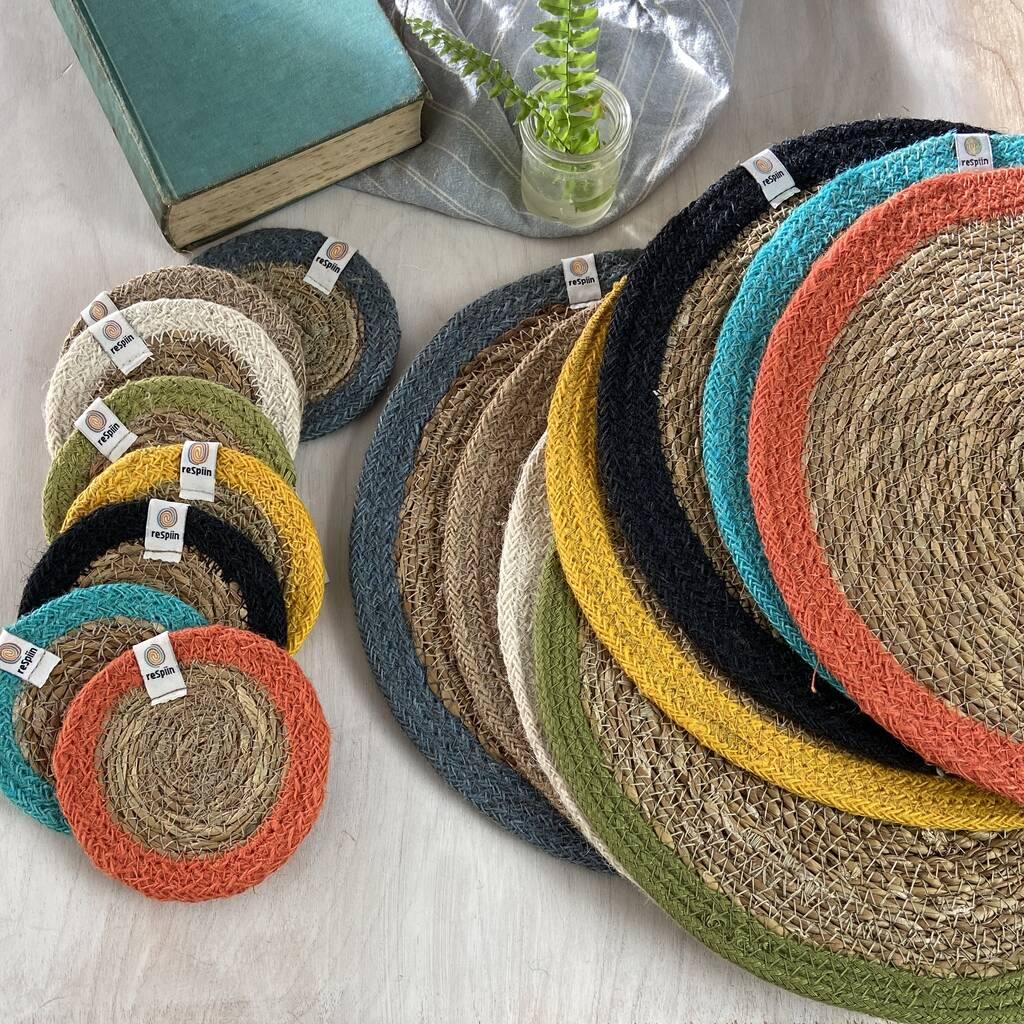
Are you looking for an attractive and elegant addition to your table setting? Porcelain plates and shiny silverware are just part of an equation. Why not complete the look with a set of jute table mats.
Tablemats protect your table especially if you have messy eaters and children at home. Most placemats are made of synthetic materials like polyester, vinyl, and silicone; however, not many people know that they can be made out of biodegradable items like jute, wood, or cotton.
Jute table mats are an excellent alternative to their synthetic counterparts. Check out some of their benefits below:
Environmentally friendly
The striking difference between plastic versus jute table mats is their environmental impact. Everyone knows what plastic does to the ecosystem—it’s notorious for harming marine wildlife and causing landfills to overflow.
On the other hand, jute dining mats are exponentially much better for the environment. Jute is a vegetable fibre, which means it is biodegradable and sturdy. Traditionally, it’s used to manufacture curtains, baskets, and flour sacks, but a jute placemat is nothing out of the ordinary!
Hygienic and Safe
The Jute table mats produced by reliable manufacturers are completely handmade. They don’t undergo harsh chemical processes that could leave traces of harmful substances on the product. Each mat is made with care, ensuring that they are of high quality and safe to use.
As with any table mat, jute mats serve their purpose of preventing spills and food residues from staining your dining area.
Affordable
Thanks to their all-natural properties, jute dining mats are incredibly affordable. On top of their low prices, jute mats are highly sustainable—which means you’ll be using them for a long time. For an affordable price, you can add a stylish and colourful vibe to your dining experience, impressing your guests, and preventing any unnecessary messes.
Author
Written by Ricky of consciouslyinspired.com0 comments
Let customers speak for us
Blog posts
Sustainable flooring is one of the most practical ways to create a greener, longer-lasting home. While insulation, windows and appliances often get more attention, the flooring beneath your feet can carry a significant environmental impact, especially when cheaper materials wear out quickly and need replacing. For readers of the Friendly Turtle EcoBlog, this article highlights why the most sustainable flooring choice is often the one that is carefully selected, professionally fitted and properly maintained for years to come. From wool carpets and natural fibres to responsibly sourced FSC wood and durable LVT, each material has different strengths depending on the room, foot traffic and moisture levels. Choosing the right flooring for the right space helps reduce waste, avoid early replacement and support more conscious home improvement decisions. Good aftercare, thoughtful fitting and end-of-life planning, such as take-back schemes or reuse options, all contribute to a lower-impact home. Sustainable flooring is not just about labels; it is about buying well once and making choices that last.
Software is becoming an important part of building greener, more efficient industries. While sustainability was once discussed mainly in terms of emissions targets or environmental reporting, modern businesses are now looking at how smarter systems can reduce waste, improve asset performance, and use resources more responsibly. For readers of the Friendly Turtle EcoBlog, this topic highlights how technology can support a more sustainable future beyond the home, especially in manufacturing, energy, agriculture, and infrastructure. Asset integrity software, artificial intelligence, and smart energy management tools can help organisations monitor equipment condition, predict maintenance needs, reduce failures, and identify where energy or materials are being wasted. These improvements can lower environmental risk while also helping businesses operate more efficiently. From reducing unnecessary resource use to supporting cleaner water, energy, and agricultural systems, digital tools are increasingly shaping responsible industrial practices. When used thoughtfully, software can be more than a business upgrade, it can become a practical pathway towards lower-impact operations and long-term sustainability.
