Choosing sustainable clothing is one of the most effective ways to reduce the environmental impact of our wardrobes while supporting a more responsible fashion industry. From organic cotton and recycled fibres to ethically produced garments and long-lasting materials, every purchasing decision can contribute to a greener future. As awareness of fast fashion’s environmental and social costs continues to grow, more consumers are looking for practical ways to build wardrobes that reflect their values without sacrificing style or comfort. In this guide, we explore how to identify genuinely sustainable clothing, understand trusted certifications, choose natural materials such as hemp and flax, and avoid the pitfalls of ultra-fast fashion. We also highlight simple habits such as repairing garments, extending the life of existing clothing, and participating in clothing swaps that help reduce textile waste and unnecessary consumption. At Friendly Turtle EcoBlog, we believe sustainable living starts with everyday choices, and fashion is no exception. Whether you are beginning your journey towards a more eco-conscious wardrobe or looking to refine your shopping habits, these practical tips can help you make informed decisions that benefit both people and the planet while creating a more thoughtful and sustainable approach to personal style.
Share your articles with us and get published! Reach out at hello@friendlyturtle.com.
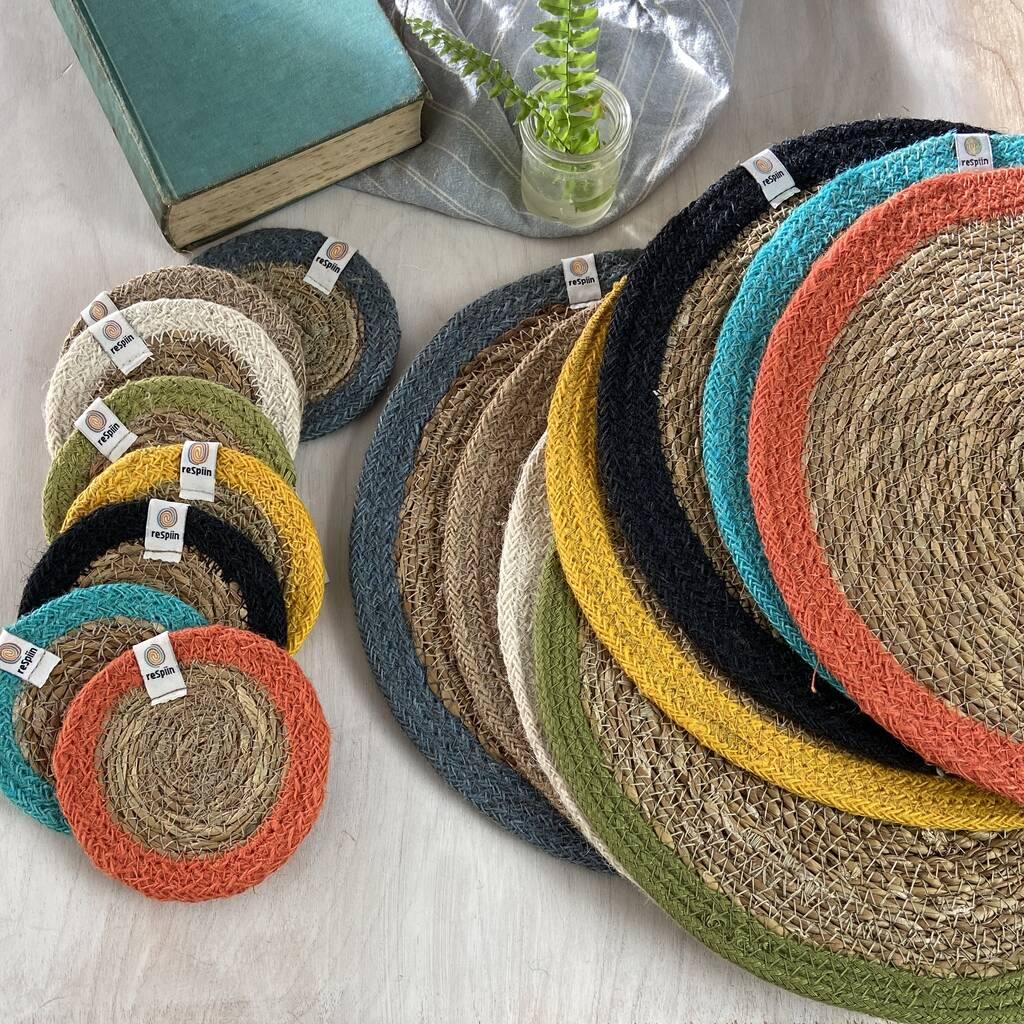
3 Benefits of Jute Table Mats
Are you looking for an attractive and elegant addition to your table setting? Porcelain plates and shiny silverware are just part of an equation. Why not complete the look with a set of jute table mats.
Tablemats protect your table especially if you have messy eaters and children at home. Most placemats are made of synthetic materials like polyester, vinyl, and silicone; however, not many people know that they can be made out of biodegradable items like jute, wood, or cotton.
Jute table mats are an excellent alternative to their synthetic counterparts. Check out some of their benefits below:
Environmentally friendly
The striking difference between plastic versus jute table mats is their environmental impact. Everyone knows what plastic does to the ecosystem—it’s notorious for harming marine wildlife and causing landfills to overflow.
On the other hand, jute dining mats are exponentially much better for the environment. Jute is a vegetable fibre, which means it is biodegradable and sturdy. Traditionally, it’s used to manufacture curtains, baskets, and flour sacks, but a jute placemat is nothing out of the ordinary!
Hygienic and Safe
The Jute table mats produced by reliable manufacturers are completely handmade. They don’t undergo harsh chemical processes that could leave traces of harmful substances on the product. Each mat is made with care, ensuring that they are of high quality and safe to use.
As with any table mat, jute mats serve their purpose of preventing spills and food residues from staining your dining area.
Affordable
Thanks to their all-natural properties, jute dining mats are incredibly affordable. On top of their low prices, jute mats are highly sustainable—which means you’ll be using them for a long time. For an affordable price, you can add a stylish and colourful vibe to your dining experience, impressing your guests, and preventing any unnecessary messes.
Author
Written by Ricky of consciouslyinspired.com0 comments
Let customers speak for us
Blog posts
Modern home decor is increasingly moving beyond furniture and trends towards something more meaningful: atmosphere. While many homeowners focus on sofas, tables and decorative accessories, lighting often has the greatest influence on how a space actually feels. The difference between a cold, clinical room and a warm, inviting home can often come down to a few carefully chosen light sources. From layered lighting and warm-toned bulbs to statement lamps and personalised decor, thoughtful lighting design can transform even the smallest space without the need for costly renovations or constant redecorating. As interest in slow living, mindful consumption and sustainable home design continues to grow, many people are discovering that creating a cosy home is less about buying more and more about making smarter choices. At Friendly Turtle EcoBlog, we believe sustainable living is about improving everyday life while consuming more consciously. This article explores how lighting shapes mood, comfort and wellbeing, why layered lighting is becoming a key part of modern interiors, and how a few simple changes can help create a warmer, more personal and environmentally conscious home that feels welcoming long after the sun goes down.
Eco-friendly beauty is no longer a niche trend reserved for a small group of environmentally conscious shoppers. In 2026, it has become a mainstream movement driven by consumers who want greater transparency, sustainability and long-term value from the products they buy. From ingredient sourcing and cruelty-free formulations to recyclable packaging and refillable containers, modern beauty buyers are paying closer attention to the environmental impact of their routines than ever before. Rather than chasing every new product launch, many consumers are embracing a more mindful approach focused on quality, durability and multifunctional products that reduce waste while delivering excellent results. The rise of professional-level beauty at home, reusable tools and ingredient-conscious skincare reflects a broader shift towards responsible consumption. At Friendly Turtle EcoBlog, we believe sustainable living extends beyond household products and into every aspect of daily life, including personal care and beauty. This article explores how conscious consumers are reshaping the beauty industry through smarter purchasing decisions, ethical brand support and a growing preference for eco-friendly products that align with both personal wellbeing and environmental responsibility.
