First-time visitors to Georgia often want a clear, stress-free introduction that balances culture, nature and everyday comfort. Many begin in Tbilisi, where the airport sits close to the city centre and the compact Old Town allows easy walking between the sulphur baths, Narikala cable car and riverside viewpoints. Sustainable travel here means choosing walkable routes, local cafés and small hotels that support the community. Short trips to Mtskheta add historical depth without long drives, while Kakheti introduces wine traditions through slower, guided visits that reduce unnecessary transport. Some travellers combine Tbilisi with Batumi, using efficient internal travel rather than multiple flights. At Friendly Turtle EcoBlog, we encourage first-time visitors to travel Georgia responsibly by pacing itineraries, staying in family-run guesthouses, joining small-group tours and respecting local ecosystems. These mindful choices help reduce environmental impact while still offering a rich, authentic experience of Georgia’s cities, landscapes and traditions.
Share your articles with us and get published! Reach out at hello@friendlyturtle.com.
3 Benefits of Jute Table Mats
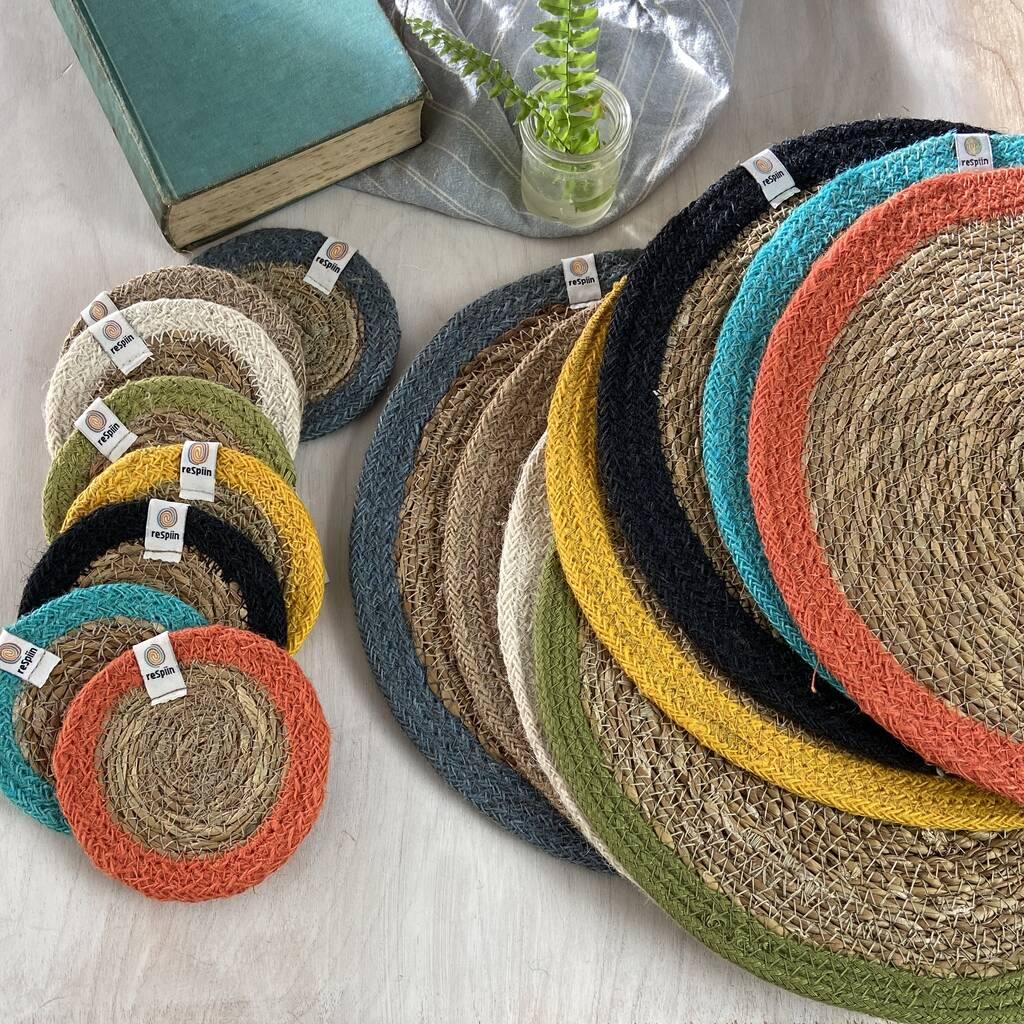
Are you looking for an attractive and elegant addition to your table setting? Porcelain plates and shiny silverware are just part of an equation. Why not complete the look with a set of jute table mats.
Tablemats protect your table especially if you have messy eaters and children at home. Most placemats are made of synthetic materials like polyester, vinyl, and silicone; however, not many people know that they can be made out of biodegradable items like jute, wood, or cotton.
Jute table mats are an excellent alternative to their synthetic counterparts. Check out some of their benefits below:
Environmentally friendly
The striking difference between plastic versus jute table mats is their environmental impact. Everyone knows what plastic does to the ecosystem—it’s notorious for harming marine wildlife and causing landfills to overflow.
On the other hand, jute dining mats are exponentially much better for the environment. Jute is a vegetable fibre, which means it is biodegradable and sturdy. Traditionally, it’s used to manufacture curtains, baskets, and flour sacks, but a jute placemat is nothing out of the ordinary!
Hygienic and Safe
The Jute table mats produced by reliable manufacturers are completely handmade. They don’t undergo harsh chemical processes that could leave traces of harmful substances on the product. Each mat is made with care, ensuring that they are of high quality and safe to use.
As with any table mat, jute mats serve their purpose of preventing spills and food residues from staining your dining area.
Affordable
Thanks to their all-natural properties, jute dining mats are incredibly affordable. On top of their low prices, jute mats are highly sustainable—which means you’ll be using them for a long time. For an affordable price, you can add a stylish and colourful vibe to your dining experience, impressing your guests, and preventing any unnecessary messes.
Author
Written by Ricky of consciouslyinspired.com0 comments
Let customers speak for us
Blog posts
A calm, multifunctional garden can be more than a pretty backdrop it can become a practical extension of your home that supports slow mornings, outdoor meals, and genuine downtime. In this Friendly Turtle EcoBlog guide, we look at simple, sustainable ways to shape an outdoor space that feels organised, welcoming, and easy to use throughout the week. Start by creating clear “zones”: a quiet seating corner for reading, a dining spot for relaxed lunches, and a flexible open area for play or potting. Light-touch structures, such as an airy pergola or a sheltered veranda, add definition without blocking daylight, making the garden usable in changeable weather. Keep the mood restful with layered planting: evergreens for year-round structure, seasonal flowers for colour, and lightly scented herbs near paths. Choose reclaimed or recycled materials where possible, add soft warm lighting, and reduce water waste with mulch and a simple rainwater butt. The result is a garden that feels calm, functional, and kinder to the planet.
Finding the right mental health support in Woodland Hills starts with checking credentials, treatment approach and access to care. Look for licensed clinicians with training in evidence-based therapies such as CBT or DBT, and ask whether programmes offer coordinated psychiatry, talking therapy and crisis support when needed. The best providers also explain your options clearly, from outpatient sessions to more structured day programmes, and may include complementary practices that support recovery, such as mindfulness, movement and nutrition guidance. At Friendly Turtle EcoBlog, we often explore how everyday choices shape wellbeing; this guide applies the same practical lens to mental health care, helping you compare services, understand what ‘holistic’ really means, and choose a setting that feels safe, respectful and tailored to your needs. It also highlights practical questions to ask about availability, confidentiality, fees and insurance, so you can make a confident, informed decision.
