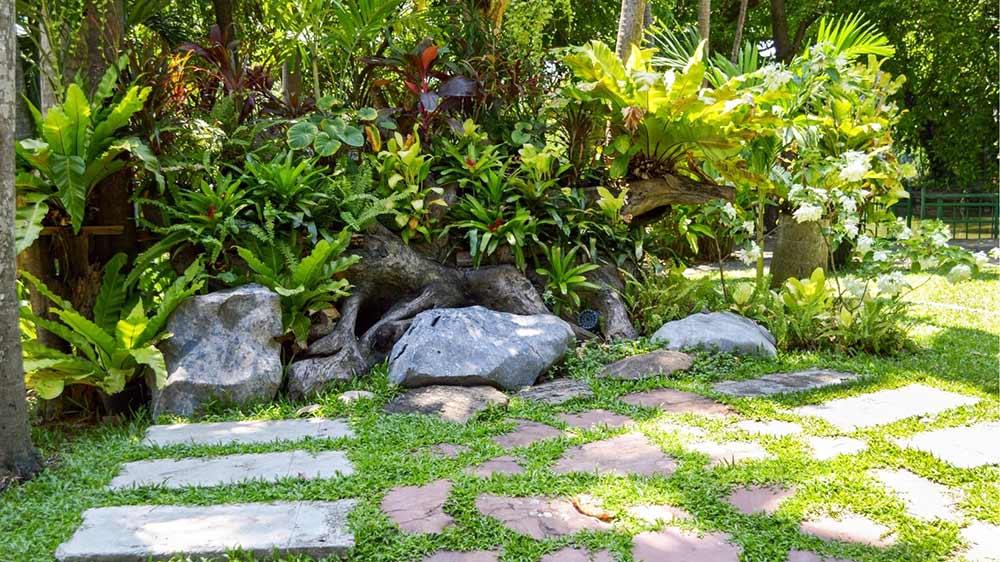
Whether you only have a tiny patio in the back of your house or a large property in the countryside, you can transform your space into a sustainable garden with some innovative wildlife garden ideas where local wildlife can thrive. Many of us have started to try and living more sustainably, but few of us ever give much thought to adapting our gardens for the animals who live nearby, but with these simple wildlife garden ideas, you can play your part in protecting local fauna and cultivating a sustainable garden community.
Remember – it’s about the small changes. You don’t need to take all these steps today, it’s as easy as putting one of these wildlife garden ideas into practice first and then adding more over time.
Climbing plants can also be a great addition, especially when supported by plant climbing frames that help them grow vertically-making more space for wildlife-friendly greenery in even the smallest gardens.
Ultimately, your wildlife garden can be a space that encourages all kinds of animals to spend time there, providing a safe haven in a world where many areas have been urbanised and transformed by humans.
1. Attract bees with wildflowers
Bees are crucial for the pollination of all kinds of produce and flowers, which is why protecting should be one of the primary goals of any sustainable garden. One of the simplest ways to do so is to plant wildflowers native to your area. These help bees thrive in areas that they had to abandon because of infrastructure development and the expansion of cities.
If you’re in Britain and reading this, then caring for the bees is especially important. Why? Because 97% of the local wildflower habitats have been lost since World War 2 nationally. Interested to learn more about our bee population? Bee Life has some great content on their blog...and the Mining Bee is our new favourite.
Make protecting bees as easy as it can be with some bee bombs – clusters of local wildflower seeds you can scatter in your garden. You don’t need any gardening skills to plant these, so there’s no stopping you from providing a better home for bees and so this comes in as our number one wildlife garden idea!

2. Add a birdbath and bird feeder to your garden
Especially in the winter, birds could use a little help with finding some seeds and water. One of our favourite wildlife garden ideas is setting up a bird feeder and a birdbath! Not only are these useful for birds, but they make for great design features if you’re someone who enjoys designing their garden for both use and aesthetics.
You may even get into some birdwatching on the weekends, it’s a wonderfully relaxing activity to help you get in touch with nature.
3. Plant more trees
Wildlife thrives on the trees – yet they have been removed from most urban and suburban gardens! One of the simplest things that you can do to help local wildlife is bringing some of these trees back, to give them a home and some shade in the summer.
It’s best to choose trees based on what is already growing in your local area. These will always be best for the local wildlife and they’ll also give your garden a lovely natural feel.
4. Create a pond
If your garden is a little larger and you want to take a bigger step with some of the more advanced wildlife garden tips, create a small pond! Not only will it act similarly to a birdbath, adding a source of water to your sustainable garden is one of the best things you can do for all kinds of wildlife.
One of our favourite wildlife garden ideas is to give animals a space to get some drinking water, clean themselves and cool down. Frogs and newts also need ponds for breeding!
5. Leave a gap in your fence
While you’ll surely want your home secure and fenced in to prevent any unwanted visitors, leaving a small gap between or under your fence lets the smaller animals roam freely and enjoy what your wildlife garden haven can offer.
Squirrels or birds don’t see fences as an obstacle, but a hedgehog will need a little extra help to move around the neighbourhood. Planting climbers over fences can also make getting over the fence easier for other animals.

6. Leave an area of your garden untouched
While we all love making our sustainable gardens look as good as possible, one of the most important wildlife garden ideas we could give you involves leaving a part of your garden untouched. Wild grassy areas with wildflowers are essential for all kinds of wildlife, yet they are rapidly disappearing from our world.
If there is no such area currently in your garden, you may need to encourage the growth of some wildflowers with the first tip on our list.
7. Build a bug hotel
Bugs are very underappreciated, yet a part of every good sustainable garden is a way to give bugs a home. Crafting a bug hotel is a great DIY project for those who enjoy creative projects.
There are many different tutorials on how to do this online, but to get you an idea of the process, you’ll want to start with a wooden frame and fill the gaps with different kinds of natural nesting materials.