Choosing sustainable clothing is one of the most effective ways to reduce the environmental impact of our wardrobes while supporting a more responsible fashion industry. From organic cotton and recycled fibres to ethically produced garments and long-lasting materials, every purchasing decision can contribute to a greener future. As awareness of fast fashion’s environmental and social costs continues to grow, more consumers are looking for practical ways to build wardrobes that reflect their values without sacrificing style or comfort. In this guide, we explore how to identify genuinely sustainable clothing, understand trusted certifications, choose natural materials such as hemp and flax, and avoid the pitfalls of ultra-fast fashion. We also highlight simple habits such as repairing garments, extending the life of existing clothing, and participating in clothing swaps that help reduce textile waste and unnecessary consumption. At Friendly Turtle EcoBlog, we believe sustainable living starts with everyday choices, and fashion is no exception. Whether you are beginning your journey towards a more eco-conscious wardrobe or looking to refine your shopping habits, these practical tips can help you make informed decisions that benefit both people and the planet while creating a more thoughtful and sustainable approach to personal style.
Share your articles with us and get published! Reach out at hello@friendlyturtle.com.
Top 4 Sustainable Wood Types for Eco-Friendly Wall Panels
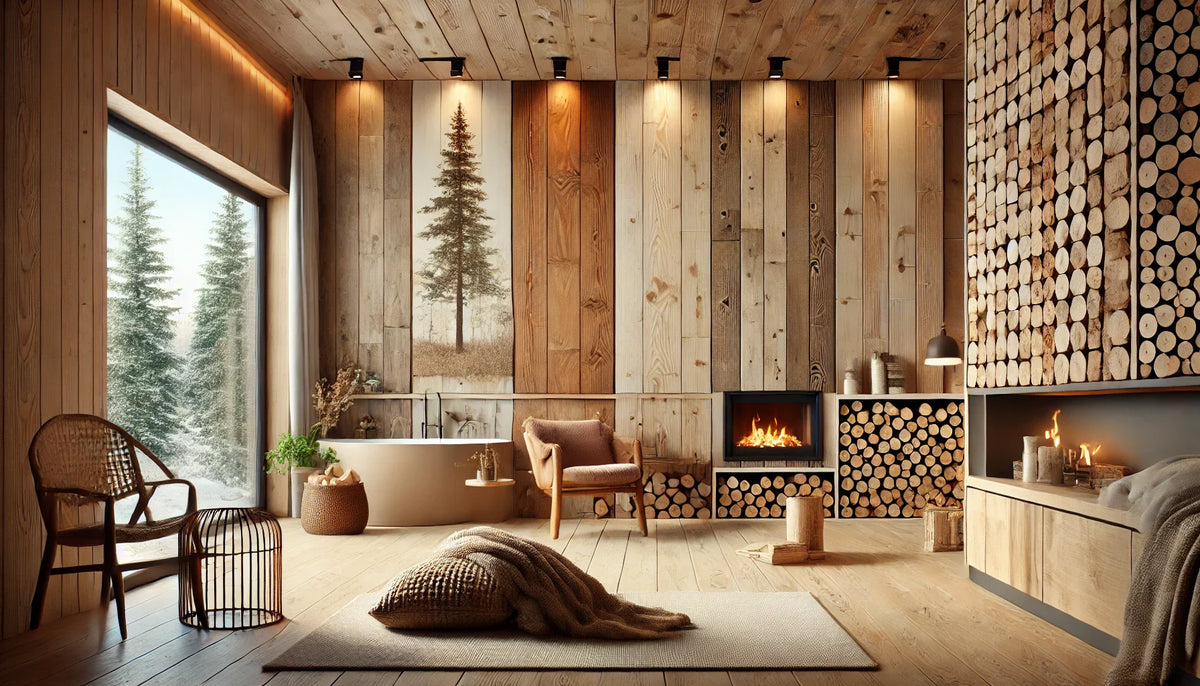
Wooden wall panels can always be great additions to your home, especially if you want to get all of the benefits they can provide. However, if you’re new to this kind of thing, you will surely be surprised when looking for wooden wall panels for your home in the market. This is due to the fact that there are several types of wood for wooden wall panels in the market, such as oak, pine, walnut, and cedar. This situation sometimes makes many people confused when choosing the wood panel which suits them the best. If you are one of those people, then it’s best for you to know more about the 4 best and most popular types of wood for wooden wall panels below.
Oak
The first type of wood which is quite popular for a wood panel is oak. This is because oak is not only beautiful, but also strong and durable. Those characteristics make oak one of the best choices when it comes to wooden wall panels. What’s more interesting about oak is that it’s relatively affordable, generally more affordable than walnut and cedar although it’s still more expensive than pine. Oak comes in red and white varieties, and it has fine grain with light to medium brown tones. It can be stained to have its natural color more enhanced, but left untreated if you want it to have a more rustic look. This type of wood is also resistant to dents and scratches, making it able to last for decades and quite suitable for high traffic areas such as the living room.

Pine
The second type of wood which is also quite popular for wooden wall panels is pine. It’s mainly because pine is the most affordable among the 4 types of wood for wooden wall panels being discussed here. However, it doesn’t necessarily mean that pine is bad for wooden wall panels. In fact, it has an accent that is pleasing to the eyes thanks to its light color and distinct knots, making it suitable for country or rustic-style homes. However, unlike oak, pine is prone to dents and scratches, so it’s not really suitable to be placed in high traffic areas.

Walnut
The third type of wood which is no less popular than pine and oak is walnut. This type of wood provides a premium and luxurious look to the room where the wooden wall panels made from it are placed. It generally has dark tones with deep brown color and straight, uniform grains, making it able to stand out wherever it’s placed. Unfortunately, its premium looks and quality come with high prices, making this type of wood the most expensive among the 4 types of wood for wooden wall panels being discussed here. That’s why wooden wall panels made from this type of wood can only be found in specific places that require luxury touches such as meeting rooms or VIP rooms.

Cedar
The last type of wood which is also popular for wooden wall panels is cedar. This type of wood has the price level of between walnut and oak. Cedar is very popular for its aromatic qualities and resistance to moisture, making it quite suitable for rooms with high moisture levels such as bathrooms, basements, and kitchens. This is thanks to the fact that cedar has natural oils that help repel insects and prevent rot while allowing it to last for decades.
When installing wooden wall panels, safety considerations are paramount, particularly regarding fire resistance. For enhanced fire protection behind wooden panels, professional fire board solutions provide excellent backing materials that complement cedar's natural properties whilst meeting modern building regulations and safety standards.
0 comments
Let customers speak for us
Blog posts
Modern home decor is increasingly moving beyond furniture and trends towards something more meaningful: atmosphere. While many homeowners focus on sofas, tables and decorative accessories, lighting often has the greatest influence on how a space actually feels. The difference between a cold, clinical room and a warm, inviting home can often come down to a few carefully chosen light sources. From layered lighting and warm-toned bulbs to statement lamps and personalised decor, thoughtful lighting design can transform even the smallest space without the need for costly renovations or constant redecorating. As interest in slow living, mindful consumption and sustainable home design continues to grow, many people are discovering that creating a cosy home is less about buying more and more about making smarter choices. At Friendly Turtle EcoBlog, we believe sustainable living is about improving everyday life while consuming more consciously. This article explores how lighting shapes mood, comfort and wellbeing, why layered lighting is becoming a key part of modern interiors, and how a few simple changes can help create a warmer, more personal and environmentally conscious home that feels welcoming long after the sun goes down.
Eco-friendly beauty is no longer a niche trend reserved for a small group of environmentally conscious shoppers. In 2026, it has become a mainstream movement driven by consumers who want greater transparency, sustainability and long-term value from the products they buy. From ingredient sourcing and cruelty-free formulations to recyclable packaging and refillable containers, modern beauty buyers are paying closer attention to the environmental impact of their routines than ever before. Rather than chasing every new product launch, many consumers are embracing a more mindful approach focused on quality, durability and multifunctional products that reduce waste while delivering excellent results. The rise of professional-level beauty at home, reusable tools and ingredient-conscious skincare reflects a broader shift towards responsible consumption. At Friendly Turtle EcoBlog, we believe sustainable living extends beyond household products and into every aspect of daily life, including personal care and beauty. This article explores how conscious consumers are reshaping the beauty industry through smarter purchasing decisions, ethical brand support and a growing preference for eco-friendly products that align with both personal wellbeing and environmental responsibility.
