The field of plumbing is among the most overlooked. In this thorough guide, we will look at the urban-plumber techniques of plumbing that assist in adding growth to living facilities as well as being one perfect way to inorganically reduce a significant amount of money in utility bills for an effective maintenance of the homes.
Understanding the Importance of Green Plumbing
Green plumbing is not a new concept but one of the most significant and laudable for the future development of sustainable lifestyle. Through the adoption of green plumbing tools individuals can save water, conserve energy for heating of water and make less impact upon natural resources so that even today’s generations can realize their dream of a better world and greener planet. These benefits provide more than only a means of making the environment better; this also means that costs become less.
Water Conservation: The Heart of Green Plumbing
Water conservation is another aim of green plumbing that is to be targeted alongside water waste. Here are the numerous effective solutions for using water wisely:
- Install Low-Flow Fixtures
Low-flow fixtures provide a very well-designed method of making use of less water without even changing the functionality of the fixture. They are generally found in the following;
- Low-flow showerheads
- Dual-flush toilets
- Faucet aerators
Thus effectively installing these appliances uses about 60% less water as compared to the old generation models.
- Fix Leaks Promptly
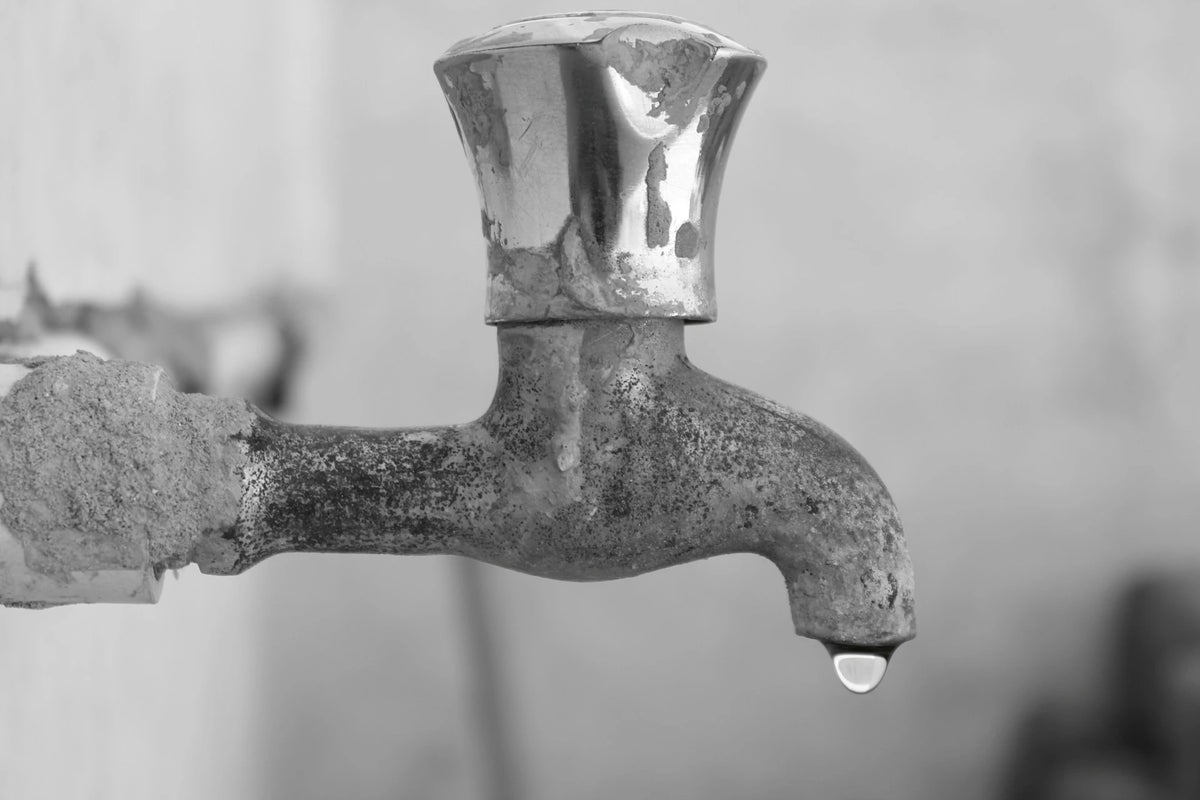
Even pinhole leaks can lead to the wastage of gallons of H2O in a month. An unattended faucet can easily lose up to 20 gallons a day. It is important that continuous inspection and prompt fixing are done in order to prevent water wastage.
- Implement Greywater Systems
Water flowing out from bathtubs, sinks, washing machines, and dishwashers can be referred to as greywater, which can be stored and reused for irrigation and watering other similar non-potable uses. This innovative system when put into effect can save a lot of water because you will not be having to pump the water once again.
Energy Efficiency in Plumbing
Using green plumbing, which refers to making judicious use of energy in plumbing systems, is more efficient and eco-friendly. In this respect, the eco-friendly capabilities of plumbing include:
- Tankless Water Heaters
Energy and cost efficient because they heat water only when required as opposed to traditional ones. Thus, this improvement leads to significant upfront costs savings as well as an unlimited supply of hot water for as long as it's needed.
- Solar Water Heating
Contrary to the traditional water heating systems that rely on fossil fuels to generate hot water, solar water heating systems utilize the sun’s energy. These systems not only promote the use of renewable energy sources but they also help in reducing energy costs significantly. This technology may entail a high initial investment but the return on investment is great and it can reduce utility bills significantly.
- Insulate Pipes
In addition to the aforementioned eco-friendly plumbing modifications, it is crucial to insulate the hot water pipes as well. When the hot water pipe is insulated, the rate of heat loss will reduce hence minimizing the temperature loss of the water as it is transmitted. This energy-saving measure is of great help to cut the amount of energy wasted.
Sustainable Materials in Plumbing
One of the most important characteristics that distinguish green plumbing is the quality of the materials used. Indeed, the performance of plumbing systems can often be due to the type and quality of the materials utilized. The idea of sustainable plumbing materials especially those that are environmentally friendly is highly emphasized in an era when climate change and depleting resources have become such prevalent issues.
- PEX Piping
Of the most significant innovations in the plumbing industry is the cross-linked polyethylene (PEX) pipes which is a highly resilient, user-friendly, and flexible piping method that is gaining popularity. Now, the production process of the PEX pipes involves less energy use and they have a long lifespan making them very cost- and energy-efficient products.
Due to the flexibility of branching and splitting without problems, the installation process is fast and easy. The PEX pipes internal surface is smooth hence ensures low resistance to flow and prevents the accumulation of solids. The use of PEX pipes guarantees a reduction of energy for heating and thus significantly lowers heating bills. Since the production processes of these pipes are compatible with energy efficiency, they contribute additionally to the sustainability agenda.
- Recycled Materials
Moreover, a big win that was achieved in the plumbing industry is also the use of recycled materials. These utilize previously-used materials in the manufacture of materials used in plumbing, generally reducing the production of raw materials.
Some of the impressive products of recycled material include toilets manufactured using recycled porcelain and pipe fittings made from recycled metals. These products are highlights of advancements in technology that seek to marry plumbing with the protection of the environment thus transforming the industry into an eco-friendly and sustainable practice.
Smart Plumbing Technologies
In general, the technological impact in the plumbing industry has been revolutionary in helping towards making green plumbing possible. In a bid to realize the plumbing systems that observe water conservation, especially those that are user-friendly, technology has come up with various innovative solutions to this problem.
Some amazing, and very effective and necessary technologies that enhance green plumbing are as follows:
- Smart Water Meters
As an example of smart plumbing technology, smart water meters have provided homeowners with real-time water usage data that helps to easily identify water usage that is excessive or identify unseen leaks. Instantly, homeowners can see how much water they are using and take the necessary measures to reduce it. They can go further to enhance their efforts since smart water meters can, in a way, allow indications on periods of high water usage, and this kind of awareness would be the first step towards modifying domestic habits, lowering water wastage.
- Automatic Shut-off Valves
The automatic shut-off valves also deserve mention in the list of smart plumbing technologies as they detect leaks and shut off the water supply to prevent further damage. This does not only lead to the conservation of water as the valve may be shut off as soon as the leak is detected, and thus no more water is wasted, but it also prevents damage and saves on repair costs.
The Importance of the Contribution of Professional Plumbers to Green Initiatives
When it comes to green plumbing practices, residential owners have plenty of options. Nonetheless, it cannot be overstated that qualified plumbers are a significant part of making sure these systems are effective and safe. Qualified plumbers are not only qualified to give the best suggestions on appropriate green plumbing solutions for interested persons but also qualified to perform the installation and maintenance jobs professionally.
Creating the Right Understanding and Learning in Society
Green plumbing is a developing area which discusses the provision of high-quality learning and awareness to the public. Homeowners, contractors, and even plumbers must be informed that new and green solutions and products continually enter the plumbing industry, as well as be aware of frequent developments in green plumbing practices.
Final Remarks
Our involvement in green plumbing practices reflects our commitment to protecting the environment and ensures that the resulting environmental benefits can be harnessed to set up long-term economic gains. By using water-efficient fittings, energy-efficient devices, and reclaimed materials, individuals can decrease their carbon footprint, not by a small amount, but significantly.
As the globe moves towards more green proceedings, companies like Endpoint Plumbing emerge as an example of true green plumbing masters who use green technologies in their solutions. The journey to a more sustainable tomorrow may be a long one, but it is filled with many small steps.



0 comments