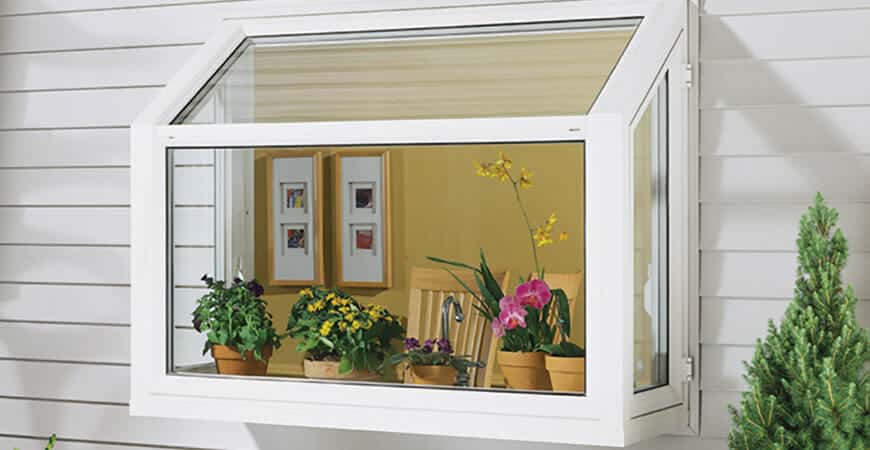
When you think about home design, windows might not always be the first thing that comes to mind. But they play a bigger role than we often realize. Windows let in light, improve ventilation, and enhance curb appeal, all while influencing the overall comfort of a home. Choosing the most popular window styles isn’t just about aesthetics-it’s about functionality, energy savings, and lifestyle preferences.
From types of house windows used in traditional builds to modern window styles for homes that suit contemporary spaces, there’s a wide variety available today. This guide will walk you through the common residential window designs and help you decide which option fits your needs best.
Types of House Windows: An Overview
Before diving into specifics, it’s important to understand that windows come in many shapes, sizes, and functionalities. Some windows are designed primarily for light, while others focus on ventilation. Homeowners also choose windows based on their architectural style-think colonial style windows for heritage homes or minimalist window designs for urban apartments.
The main types of house windows include:
- Fixed windows (like picture windows) for uninterrupted views.
- Operable windows (double-hung, casement, sliding) for ventilation.
- Specialty windows (bay, bow, and custom designs) for architectural flair.
Each style brings unique benefits, making it easier to find the right fit for your home.
Common Residential Window Designs
Among the common residential window designs, certain styles stand out for their practicality and timeless appeal. These include:
- Double-hung vs. single-hung windows: Both are classic, but double-hung is more versatile since both sashes move.
- Sliding window styles: Space-efficient and easy to operate, perfect for tight areas.
- Casement window designs: Hinged on the side and swing outward, offering maximum airflow.
- Awning window style: Hinged at the top and open outward, ideal for ventilation during rainy days.
These designs remain popular because they balance style, function, and affordability.
Modern Window Styles for Homes
For homeowners drawn to sleek and cutting-edge design, modern window styles for homes are all about clean lines, large glass panes, and minimal framing. Materials like aluminum and fiberglass dominate this category, offering slim profiles that maximize light without sacrificing durability.
Large panoramic windows are one of the most requested modern options. They create the illusion of more space and seamlessly blend indoor living with outdoor scenery. Another trend in modern homes is the use of floor-to-ceiling picture windows, which flood interiors with natural light while emphasizing simplicity.
If you’re aiming for a contemporary window option, consider pairing glass with black metal frames. This industrial-inspired style is now a favorite in new builds and renovations alike.
Traditional Window Types
While modern windows have their charm, many homeowners still prefer traditional window types. They bring character and nostalgia, especially in classic or historic homes.
Popular choices include:
- Colonial style windows: Typically multi-pane with shutters, adding symmetry and elegance.
- Classic farmhouse windows: Large, rectangular windows with wood frames that enhance rustic charm.
- Arched and rounded window shapes: Add softness and visual interest to otherwise boxy designs.
Traditional doesn’t have to mean outdated. Many manufacturers now combine these timeless looks with energy-efficient window designs, allowing homeowners to enjoy the best of both worlds-style and performance.
Energy-Efficient Window Designs
Energy efficiency is no longer optional-it’s a must for homeowners who want to cut utility bills and reduce their carbon footprint. Energy-efficient window designs feature double or triple glazing, Low-E glass coatings, and insulated frames.
Popular window frame materials for efficiency include:
- Vinyl: Affordable, low-maintenance, and well-insulated.
- Fiberglass: Strong, durable, and resistant to temperature swings.
- Wood: Naturally insulating but requires more upkeep.
- Aluminum: Sleek and modern but less insulating unless thermally improved.
Choosing energy-efficient windows also means better comfort-no more drafts in the winter or overheated rooms in summer.
Best Windows for Natural Light
Natural light transforms a home, making it brighter, warmer, and more inviting. The best windows for natural light include picture windows for homes, which don’t open but provide expansive views.
Other great options include:
- Bay and bow windows: Extend outward, capturing light from multiple angles.
- Sliding window styles: Offer wide openings for both light and ventilation.
- Minimalist window designs: Large panes with thin frames, maximizing sunlight.
For small rooms, strategically placed windows for small rooms-like tall narrow casements-can make the space feel bigger without overwhelming the layout.
Statement Windows: Bay, Bow, and Custom Styles
If you want your windows to be more than functional, bay and bow windows are perfect statement pieces. They project outward, creating cozy seating nooks and architectural drama.
For homeowners who prefer unique touches, custom window styles allow full personalization. You might opt for geometric shapes, stained glass, or oversized designs that set your home apart. Decorative window ideas like grids, frosted glass, or colored panes also add flair while maintaining privacy.
Window Replacement Trends
Window design isn’t static-it evolves with lifestyle and technology. Current window replacement trends include:
-
Smart windows with tinting that adjusts automatically.
- Low-maintenance window styles like vinyl and aluminum.
- Affordable window options that don’t compromise on performance.
- High-end luxury window designs with premium finishes and bold shapes.
Interestingly, many homeowners now prioritize windows that improve ventilation, showing a growing awareness of indoor air quality.
Curb Appeal and Aesthetic Value
Your windows are one of the first things people notice about your home. That’s why many homeowners focus on finding the best windows for curb appeal. Statement shapes, decorative trims, and coordinated colors can significantly increase property value.
Whether you lean toward classic farmhouse windows or contemporary window options, the right choice will complement your home’s architecture and make a lasting impression.
Final Thoughts
Windows are more than just glass openings-they’re design statements, energy savers, and mood enhancers. From traditional window types to modern window styles for homes, the choices today are more diverse than ever. Whether you want the best windows for natural light, high-tech smart glass, or low-maintenance window styles, there’s an option tailored for every lifestyle and budget.
When selecting the most popular window styles, think beyond appearance. Consider durability, energy efficiency, and how each design fits your home’s architecture. The right choice will not only beautify your home but also improve comfort and long-term value.