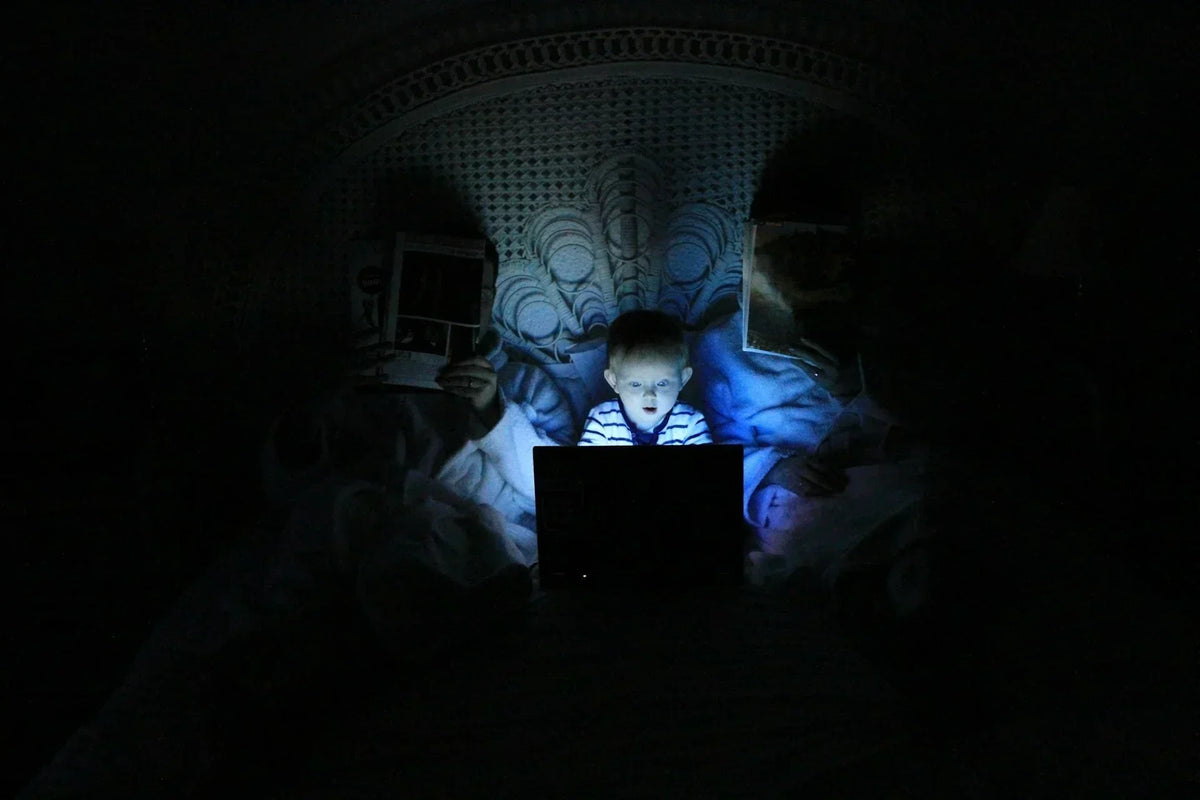
The rising use of technology and digital devices brought many eye problems to everyone using them. Such devices affect our health unnoticeably, and people usually do not take any preventive steps to stop permanent consequences. If you use your devices regularly, you might notice some symptoms of different eye issues, such as dryness, irritation, or headaches. With the help of this article, you will find a way to protect your eyes and still enjoy the benefits of digital devices.
Adjust Screen Brightness
One small step you can take that makes a big difference is to know how to appropriately set the brightness of the screen so it does not be too tiring for your eyes. Match screen brightness to the ambient light, or even better, turn on adaptive brightness if possible and the device will adjust the brightness automatically. Lately, the popularity of dark mode has been recognized because of all the benefits regarding eye safety and comfortability. Turn it on and see whether it is suitable because it can reduce harsh light and make prolonged screen use more comfortable. If you need to read something, look if your device has some features that adjust the contrast and the brightness of the screen according to your environment and general human eye needs.
Wear Protective Glasses
If you are someone who spends hours using their phone or computer, you should consider investing in glasses that protect your eyes, and help you sleep better, especially if you use devices late at night. There are different types of protective glasses, as well as sleep masks. However, make sure you purchase from a reliable company, as you can end up wearing glasses that do not protect your eyes at all. For example, Block Blue Light prioritizes products that are carefully researched and developed, like blue light glasses. Of course, this cannot cure some already existing issues; however, it can help you prevent further ones.
Maintain Proper Distance
When we use digital devices, especially phones, we do not realize how close to them we get, but only realize that after some time. You need to realize how dangerous it can be to sit too close, or even too far from the screen, as it creates unnecessary strain, and bad posture in such cases can lead to neck and shoulder pain. Keeping all this in mind, you now realize all the problems improper use of digital devices can bring. Always remind yourself to keep a proper distance and to keep good posture, as this can help you avoid some serious health issues.
Take Regular Breaks
We cannot imagine going a day without our devices and simply forgetting how long we are using them until we realize hours later. Always prioritize taking regular breaks; for example, take a break every 1-2 hours, and use this time to stretch, move around, or even read something because your brain and your eyes need that break. If you have to use devices regularly, try taking some time to go out and enjoy outdoor activities, because if you get used to staying indoors the whole time, you can lead to some other health issues. Try to reduce screen time as much as you can, finish the job you need, and use your free time to do other things that can be much more useful.
Get Regular Eye Checkups
With how much people use screens daily, everyone should follow regular eye checkups as this way they can prevent serious eye issues and maintain good vision. The professionals will give you advice on how to behave with screens and when to do the next checkup. You can also ask them for some advice regarding some preventive steps if you know that you will have to use digital devices regularly in the future. Never underestimate the importance of such checkups, as you can consult a professional for personalized recommendations if you start noticing some issues.
Optimize the Environment
If you use digital devices for work, make sure you know how to create a safe and comfortable environment. Place your devices away from direct light sources but ensure the workspace has proper lighting to minimize glare and reflections on your screen. Adjust the font size if you do a lot of reading on the devices so that you can read properly without any unnecessary squinting.
Despite all the benefits of digital devices, there are also ways they affect our well-being. Make sure you take preventive steps and consult a professional regarding how you can protect your eyes and still use the devices regularly.



0 comments