When it comes to injuries, many of us decide to go to see a doctor only if the injury looks serious. We often neglect the small ones because they do not look alarming. This is a common mistake that people make because they are not informed about how small injuries can cause bigger problems, even if the wound does not seem serious. If they are not treated properly, they can cause complications. Natural healing is very powerful by itself already, but sometimes it might need our support. Here is why even a small injury needs your attention.
Small Injuries After Accidents and Why Legal Help Matters
Even though small injuries usually happen during everyday activities, sometimes they can happen in surprising moments, such as minor car accidents. If you live in a busy place like, for example, in Melbourne FL, overcrowded traffic is a part of everyday life. In places like this, there is always a possibility of a minor accident that can leave you with injuries that do not show their full effect immediately. If the accident is not your fault, you can contact a local lawyer about protecting your rights. They will guide you on how to ensure healthcare and fair compensation.
Sometimes Your Body Needs Your Help
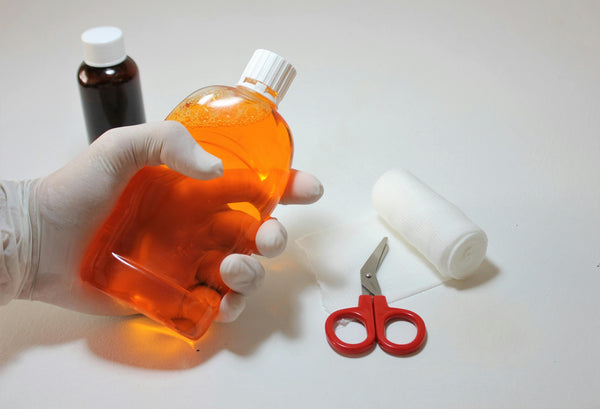
Even though our bodies have an amazing ability to heal themselves, leaving an injury untreated should never be an option. The whole process of healing is fascinating. Blood clots, your white cells arrive to fight the bacteria, and then tissue begins to regenerate. But even though this process seems like it’s doing the job, every wound needs to be cleaned, hydrated, and protected. Wash the wound with mild soap or disinfect it with iodine or alcohol. Then apply natural ointments and use breathable bandages. Nutrition also plays a key role when it comes to your recovery.
When treating the wound, slow down. Rushing the whole process by skipping cleaning, picking at scabs, or returning to activities that strain the injury area is something that will only make it worse and slow down the healing process.
Small But Still Injuries That Can Cause Big Consequences
Let’s be honest, most of us ignore small cuts and other injuries because they look harmless, but in reality, they sometimes can cause serious problems, especially for people who are dealing with diabetes or have weak immunity. If injuries do not heal properly, they cause infections and inflammations and also leave a visible scar on your skin. There are various cases where a small injury turned into a chronic health problem, and that’s why you should keep in mind that any kind of injury can never be “too small”.
Natural Healing Does Not Mean Ignoring the Problem
You would be surprised by the number of people who decide to go with “natural healing" and avoid any type of medication or treatment. Even though it is a wonderful thing to rely on and trust our bodies, that does not mean that we should be passive and do nothing about it. Using a natural healing method does not mean neglecting but cooperating with your body.
If you are someone who wants to naturally heal injuries, you can use honey, chamomile, tea tree oil, aloe vera, etc. Keep in mind that you need to properly clean the wound and do your research before using any of the previously mentioned things. Combining knowledge, natural medicine, and a lot of attention is the key to painless and fast healing. In case you still notice the redness, warmth, or pain, even if you treated the wound, then it’s time for you to go and see a doctor.
Small Injuries in Children and Elders
When it comes to small injuries in children and the elderly, that is the situation where we need to give more attention to injury treatment. Children often fall, scratch, and cut themselves when they are playing, and for the elders, their wounds heal more slowly. That’s why, when it comes to treating their wounds, we need to provide them with “extra care”. Teaching a child to clean a wound and show how to put a bandage on it, or treating a scratch for an elderly person, is more than first aid. This is the way to show compassion, care, and love.
Your body takes care of you quietly every day, and that’s why you need to listen and cooperate with it. Feeling the pain means that your body is telling you that something is wrong, even if it does not seem like that to you. Doing proper skin care before and after every activity, washing hands, and paying attention when doing something is the way to prevent yourself from getting injuries and complications that come with it.




0 comments