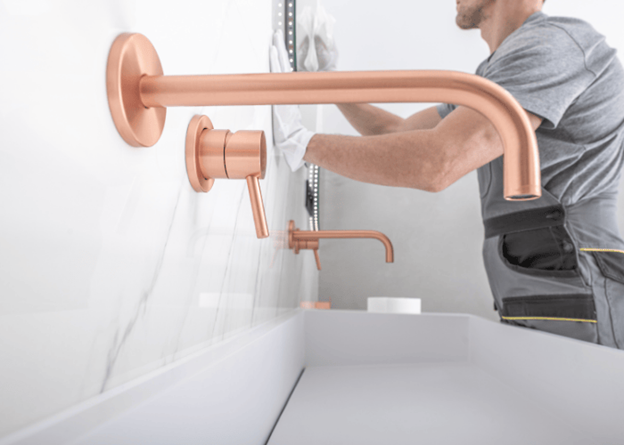
Bathrooms are breeding grounds for bacteria, mold, and grime, so many people combat them with the full force of chemical products. But here's the twist: the same products can be bad for your health, your indoor air quality, and the environment. Strong chemicals like ammonia and bleach clean surfaces and leave behind toxins in your home.
Luckily, more people are ditching artificial cleansers for natural ones that get the job done and are much, much pleasant to the nose. Whether you're totally cleaning out your tiles or just keeping the mold at bay, this article will walk you through natural bathroom cleaning, upkeep, and green upgrades to keep your bathroom sparkling and safe.
Why Choose Natural Bathroom Cleaning Products?
Let's talk about toxins. The old cleaners are chock-full of volatile organic compounds (VOCs), ammonia, chlorine bleach, and chemical fragrances. They can irritate your lungs and cause allergies, as well as poison waterways when poured down the drain.
Natural products are a healthy trend because they offer a smarter, safer way to clean your home. Natural substitutes to harsh chemicals include:
- Non-toxic and gentle, making them ideal for households with children and pets.
- Biodegradable, meaning they do not harm the earth.
- Inexpensive, especially when using items you already have in your pantry.
Switching to eco-friendly bathroom maintenance is a win-win for both your family and the environment.
Must-Have Natural Ingredients for Bathroom Cleaning
No need to shop for fancy green labels. Here are the all-stars of natural cleaning:
-
White vinegar: Kills germs and breaks down soap scum.
-
Baking soda: Gentle abrasive for scrubbing.
-
Lemon juice: Natural bleach and deodorizer.
-
Tea tree or eucalyptus essential oils: Offer antibacterial action and a nice aroma.
DIY Recipes:
-
Toilet Bowl Cleaner: Mix 1/2 cup of baking soda with 10 drops of tea tree oil. Add 1/4 cup of vinegar before scrubbing.
-
Shower Spray: Mix equal water and vinegar with a few eucalyptus oil drops.
-
Mirror Cleaner: Mix 1/4 cup of vinegar with 2 cups of water and a pinch of lemon juice.
-
Storage Hint: Keep homemade cleaners in dark glass spray bottles to ensure longevity. Shake first.
Room-by-Room Cleaning Checklist
Toilet
Use the baking soda and vinegar solution mentioned above to clean within the bowl. For exterior surfaces, use a vinegar solution and a reusable cloth.
Shower and Bathtub
Soap scum? Mix vinegar and baking soda into a paste. Apply, let sit, then scrub with a soft-bristle brush. After that, rinse with warm water.
Sink and Countertops
Sprinkle baking soda and spray with vinegar for fizzing clean. Then wipe clean with microfiber cloth.
Mirrors and Fixtures
Spray your homemade mirror cleaner and wipe with a newspaper or lint-free cloth for a shine with no streaks.
Floors and Tiles
Use warm water, a splash of vinegar, and some essential oil drops. Brush grout with a toothbrush and baking soda paste.
Mold and Mildew Prevention the Natural Way
Bathrooms are havens for moisture. All that water makes them perfect sites where mold and mildew can thrive. Dry and ventilate your bathroom with the following tips:
-
Ventilation: Open windows, use exhaust fans, and after hot showers, leave the door open.
-
Essential Oils: Add tea tree oil to your cleaning agents for natural antifungal power.
-
Dehumidifiers and Heating: Keeping the bathroom warm and dry discourages mold.
Electric towel warmers from UK Radiators can help by drying wet towels faster.
Natural Bathroom Maintenance Tips
You’ve cleaned. Now what? Keep it fresh with ongoing eco-friendly care:
-
Weekly: Clean toilet, sink, and mirrors with natural products.
-
Monthly: Check grout, scrub tiles, descale taps, and showerheads using vinegar.
-
Seasonally: Deep clean drains with a mix of vinegar and baking soda, followed by boiling water.
In addition, add moisture-resistant natural materials such as teak, bamboo, or stone to your design to reduce the risk of mold and rot.
Sustainable Upgrades for a Healthier Bathroom
Beyond scrubbing and spraying, think about what your bathroom is made of. Replace plastic-filled products and synthetic materials with green ones:
-
Curtains: Switch to organic cotton or hemp shower curtains.
-
Accessories: Use bamboo toothbrush holders, soap dishes, and compostable loofahs.
-
Refillable containers: Reuse glass or stainless-steel bottles for soap and cleaners.
When upgrading your bathroom, don’t forget your heating system. A modern radiator from a trusted brand like UK Radiators can reduce excess moisture while keeping your space stylish and functional.
Energy-efficient towel warmers can further warm your towels and regulate humidity. That's the trick to avoiding mold and enhancing indoor air quality.
Final Thoughts
Choosing natural cleaning and maintenance practices for the bathroom involves adopting a greener, cheaper, safer lifestyle. If you swap out toxic products for pantry staples, schedule regular eco-tasks, and invest in long-term upgrades, your bathroom will become a cleaner, healthier place.
Start small by replacing one product, trying one DIY recipe, or upgrading one accessory. Each step makes a difference for your bathroom and for your overall well-being and the environment. Your bathroom deserves a clean that’s as natural as the people who use it.