Your roof is one of the most important components of your home, and taking good care of it can save you time, money, and stress down the line. Roof sheets, whether made of metal, polycarbonate, or asphalt, protect your home from the elements and contribute to its energy efficiency. But like any other part of your property, they require maintenance to stay in good condition.
Let’s go through the best maintenance tips for different types of roof sheets, helping you keep them in top shape for years to come.
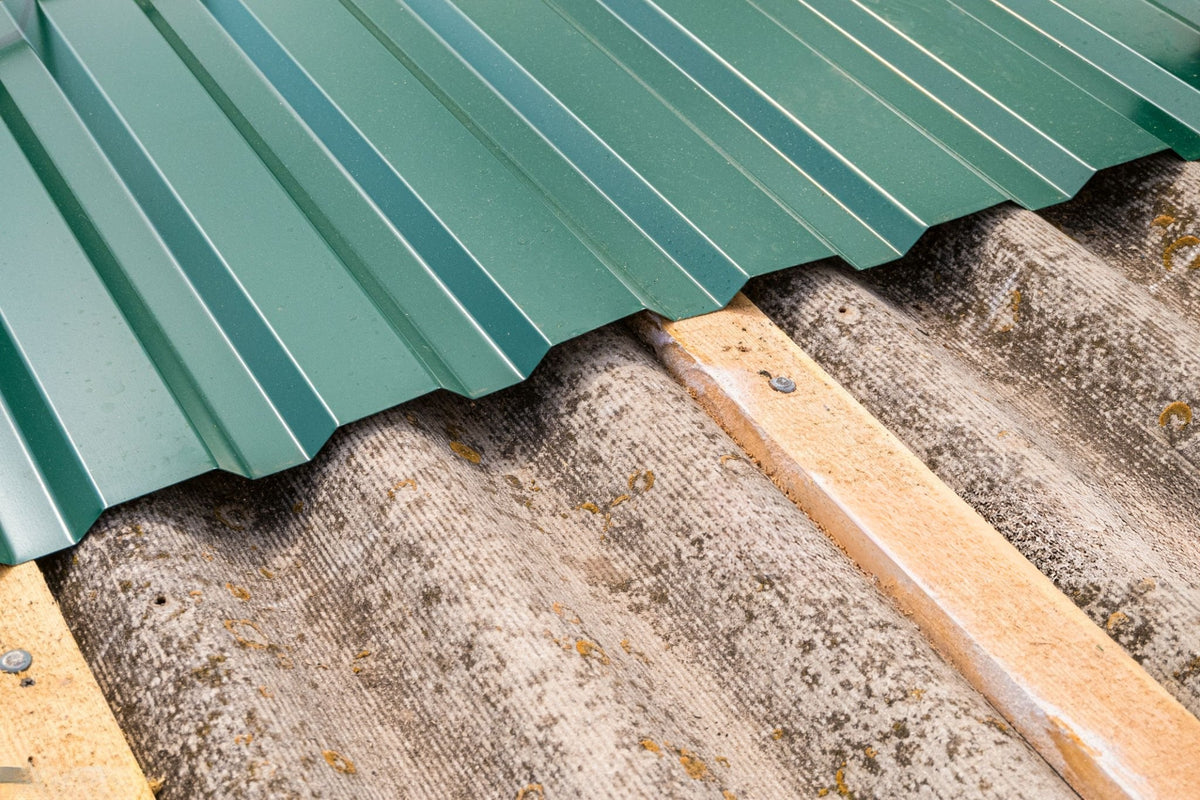
Maintenance Tips for Metal Roof Sheets
Metal roofs are known for their durability, but they still require maintenance to prevent rust and corrosion. Here’s what you can do:
- Rust Prevention: Metal roof sheets, especially those made from steel, are prone to rust if not properly maintained. Regularly clean your roof and apply a rust inhibitor every few years to protect it.
- Coating and Sealing: Re-coating your metal roof with a protective layer helps defend against the elements and prevents deterioration. This is especially important if your roof is exposed to harsh weather conditions like strong sun or heavy rain.
- Removing Debris: Leaves and branches can get trapped in your gutters, leading to water overflow and potential damage. Clear your roof regularly to prevent debris from building up and blocking water flow.
- Handling Dents and Scratches: While metal roofs are tough, they’re not indestructible. If you notice small dents or scratches, it’s important to address them quickly. Use touch-up paint or repair kits designed for metal roofing to prevent rust from forming. If you need new materials, get the best roof sheets for your project from JJRoofing Supplies.
Maintenance Tips for Polycarbonate Roof Sheets
Polycarbonate roof sheets are prized for their light transmission and flexibility, but they need special care:
- UV Protection: Polycarbonate is susceptible to UV damage, which can cause it to yellow and become brittle over time. Look for polycarbonate sheets with UV-resistant coatings, or apply a UV protective film to extend their life.
- Cleaning: Use a non-abrasive cleaner and soft cloth to clean polycarbonate roof sheets. Harsh chemicals or rough brushes can scratch the surface and reduce its clarity.
- Preventing Discolouration: If you notice your polycarbonate sheets starting to discolour, it could be due to a build-up of grime or sun exposure. Regular cleaning will help maintain their transparency and colour.
- Handling Cracks: If a crack forms, address it immediately. Small cracks can be sealed with a polycarbonate-specific sealant, but larger cracks may require replacement of the sheet.
Maintenance Tips for Asphalt Roof Sheets
Asphalt roof sheets are a great option for those on a budget, but they do need some attention to keep them in good condition:
- Checking for Cracks and Tears: Over time, asphalt roofing can become brittle and prone to cracks. Regularly check for tears, especially after storms, and repair them promptly to prevent water from seeping in.
- Sealing and Re-coating: Asphalt roofs can dry out and lose their water resistance. A new layer of sealant or roof coating every few years can significantly extend the life of your roof.
- Cleaning: Asphalt roofing tends to accumulate moss and algae. Use a gentle cleaning solution to remove these growths without damaging the surface. Avoid power-washing, as it can cause damage to the granules on the surface.
Maintenance Tips for Bitumen Roof Sheets
Bitumen roof sheets are commonly used for flat roofs, but they require regular upkeep:
- Temperature Sensitivity: Bitumen is sensitive to temperature fluctuations. In hot weather, it can soften and become prone to punctures, while cold weather can cause it to crack. Ensure your roof is well-ventilated to maintain a consistent temperature.
- Sealing Edges and Seams: The seams of bitumen roofing are vulnerable to leaks. Check these regularly and reseal them as necessary to keep water out.
- Patching: Small punctures or cracks in bitumen roofs should be patched immediately to prevent further damage. Use a bitumen patching kit to seal up any holes.
Getting a Good Deal on Roof Sheets
Are you on a tight budget when it comes to roof sheets? Whether you’re looking to upgrade with not a lot of savings or you have a very large roof and need to keep the price down, know that it’s possible to get a good deal on roof sheets. The key is to avoid rushing and use tactics to get the price down. Let’s take a look at a few tactics you can use to be happy with the cost.
1. Know the Material
First, understand the material you’re purchasing. There are some sheets that can be durable and affordable at the same time. For example, you can get your hands on polycarbonate roofing sheets, which are lightweight and dependable. At the same time, they can be cost-effective for a large project. So, make sure you consider your options carefully, and this can ensure you get a good deal that doesn’t break the bank.
2. Wait for a Sale
Sometimes, you’ll benefit from shopping in advance for the roofing sheets. If you wait until the last minute before your project, you’re going to be forced to purchase them. However, shopping in advance means that you can weigh up your options. In particular, you can shop in the sales and get a good discount.
3. Take Accurate Measurements
Never estimate how many roofing sheets you’re going to need. You could end up spending a lot more than you need this way and be left with materials. Instead, take accurate measurements. While you always want to have a little bit more in case something goes wrong, it can prevent purchasing a lot more than you require for the project.
Conclusion
Maintaining your roof sheets is essential for ensuring their longevity and protecting your home from the elements. Regular cleaning, inspections, and prompt repairs can help extend the life of your roof and prevent costly issues down the line. By following these maintenance tips for metal, polycarbonate, asphalt, clay, concrete, and bitumen roof sheets, you can keep your roof in excellent condition for years to come. If you're ever in doubt, don’t hesitate to seek professional help to ensure your roof stays strong and secure.



0 comments