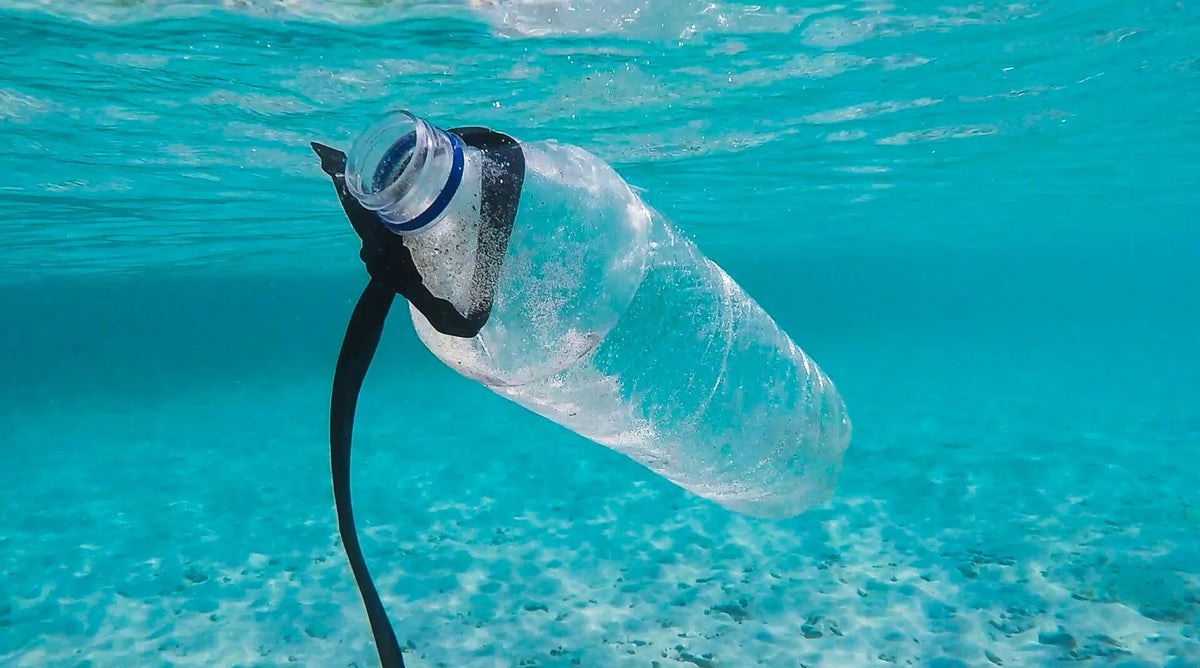
There has been a significant increase in awareness about the harmful impact of plastic waste on the environment in recent years. From oceans filled with single-use plastics to the presence of microplastics in the food chain, the global community has united to tackle this pressing issue. As a homeowner looking to reduce your environmental impact, you can make a significant difference by adopting a plastic-free lifestyle. This guide will provide practical tips for reducing plastic in your daily life and explore additional sustainable practices, such as renewable energy adoption, to further minimize your carbon footprint.
Why Going Plastic-Free Matters
Plastic pollution is a growing environmental issue because plastic is not biodegradable. It can take hundreds of years for plastic products to break down, and even then, they often only break into smaller pieces called microplastics, which continue to harm ecosystems. The production of plastic also contributes to carbon emissions, as most plastic is made from fossil fuels.
Going plastic-free isn’t just about reducing waste; it’s about lessening your reliance on oil-based products and reducing your overall environmental footprint. As homeowners, shifting towards sustainable, reusable alternatives can make a meaningful difference in how much plastic waste you generate and send to landfills or recycling centres.
Start with Reusable Items
The easiest place to start your plastic-free journey is by replacing single-use items with reusable alternatives. Here are some simple swaps you can make:
-
Reusable Shopping Bags: Instead of relying on plastic bags, invest in durable, reusable bags made from cotton or recycled materials. These bags can be used repeatedly, reducing your dependency on plastic bags.
-
Stainless Steel or Glass Water Bottles: Instead of buying bottled water, carry a reusable water bottle. Stainless steel or glass bottles are durable and eliminate the need for single-use plastic bottles.
-
Beeswax Wraps: Ditch the cling film and opt for beeswax wraps to cover food and keep it fresh. These wraps are reusable, biodegradable, and easy to clean.
-
Bamboo Toothbrushes: Swap your plastic toothbrush for a bamboo one. Bamboo is a fast-growing, renewable resource and a much more sustainable alternative to plastic.
-
Reusable Coffee Cups: Bring your own reusable cups to cafes rather than using disposable plastic-lined coffee cups. Many cafes even offer a discount when you bring your cup.
Reduce Plastic in Your Kitchen
The kitchen is one of the primary sources of plastic waste in the home. From food packaging to utensils, plastic can quickly accumulate. Here are some ways to reduce plastic waste in the kitchen:
-
Bulk Shopping and Refillable Containers: Purchase dry goods like rice, pasta, and grains from bulk bins and bring your own refillable containers. This reduces the need for plastic packaging and minimizes waste.
-
Glass Food Storage Containers: Replace plastic Tupperware with glass containers for food storage. Glass is not only reusable but also safer for food, as it doesn’t leach chemicals when heated.
-
Compostable Bin Liners: Swap traditional plastic bin bags for compostable liners made from plant-based materials. These liners break down naturally and are a better alternative to plastic.
-
Avoid Pre-Packaged Produce: When buying fruits and vegetables, opt for loose produce rather than pre-packaged items. Use cloth produce bags instead of plastic ones.
Eco-Friendly Bathroom Alternatives
The bathroom is another area of the house where plastic use is rampant, from toothbrushes to shampoo bottles. Here are a few ways to reduce plastic use in your bathroom:
-
Solid Shampoo and Conditioner Bars: Replace plastic bottles of shampoo and conditioner with solid bars. These bars come with minimal or compostable packaging and last longer than their liquid counterparts.
-
Reusable Makeup Remover Pads: Swap single-use cotton pads for reusable makeup remover pads made from bamboo or organic cotton. These pads can be washed and reused hundreds of times.
-
Plastic-Free Deodorant: Many deodorants come in plastic packaging, but eco-friendly alternatives are now available in cardboard or metal tins. Choose a deodorant that uses natural ingredients and plastic-free packaging.
-
Bamboo Razors: Replace disposable plastic razors with a reusable safety razor made from bamboo or metal. Safety razors are durable and only require replacing the metal blades, which are recyclable.
Thinking Beyond Plastic: Powering Your Home Sustainably
While reducing plastic use is a crucial part of living sustainably, it’s also important to consider how your home consumes energy. One effective way to reduce your environmental impact is by transitioning to renewable energy sources, such as solar power. Many homeowners are now exploring this option, and a common question is, "how many solar panels do I need?"
The number of solar panels required depends on your home’s energy consumption, the size of your roof, and your location. On average, a UK household uses around 3,800 kWh of electricity per year. A typical solar panel produces around 300-400 watts, meaning you would need approximately 10-12 solar panels to cover most of your energy needs. However, this varies depending on factors like shading, roof angle, and your personal energy usage.
By installing solar panels, homeowners can significantly reduce their reliance on fossil fuels, lower energy bills, and decrease their carbon footprint. This shift toward renewable energy complements a plastic-free lifestyle, as both aim to reduce environmental harm and promote sustainability.
The Role of Homeowners in Promoting Sustainability
As a homeowner, you have a unique opportunity to influence how your household impacts the environment. By adopting a plastic-free lifestyle and exploring renewable energy options, you contribute to the global fight against climate change and plastic pollution.
Beyond individual efforts, homeowners can encourage their communities to adopt similar eco-friendly practices. Hosting zero-waste workshops, sharing tips with neighbours, and promoting plastic-free products are just a few ways you can spread the message of sustainability.
Every Small Change Matters
Living plastic-free may seem challenging at first, but every small step you take helps reduce the amount of plastic waste that ends up in landfills or our oceans. By incorporating reusable items, reducing plastic in your kitchen and bathroom, and considering renewable energy sources like solar panels, you can create a more sustainable home that not only benefits the environment but also improves your quality of life.
The journey toward a greener lifestyle begins with simple changes, and as a homeowner, you have the power to make those changes today.