Eco-friendly winter pond care is about keeping the pond stable, breathable and protected without wasting unnecessary energy. As temperatures drop, fish such as koi and goldfish naturally slow down, aquatic plants become dormant and the pond enters a quieter seasonal rhythm. Rather than trying to keep the whole pond warm, the aim is to maintain a small ice-free opening for gas exchange, reduce decaying debris and protect vulnerable equipment from freezing damage. Simple steps such as clearing leaves before hard frost, using gentle aeration, feeding fish according to water temperature and winterising pumps or water features can help support a healthier pond ecosystem. Solar-supported pond equipment may also be useful where sunlight and local conditions allow, especially as part of a layered low-energy plan. At Friendly Turtle EcoBlog, we believe sustainable garden care works best when it respects natural cycles instead of fighting them. This guide explores practical ways to keep your pond functional through winter while protecting fish, conserving energy and supporting a more eco-conscious outdoor space.
Share your articles with us and get published! Reach out at hello@friendlyturtle.com.
How To Use A Safety Razor: A Beginner’s Guide To Zero Waste Shaving With A Safety Razor
Ever looked at one and wondered how to use a safety razor? Shaving with a safety razor has been making a big comeback in the past few years (interested to hear 'why' they fell out of fashion?), as more people are looking for ways on how to go plastic free in the bathroom and/or reduce the cost of their regular grooming habits. However, there are also other benefits to shaving with a safety razor, such as being able to get a closer shave, that many people discover only once they give them a try.
Unfortunately, most of us are used to expensive plastic commercial razors sold in gendered packaging and colours – which is why learning how to use a safety razor can feel a little overwhelming to someone who hasn’t tried it before.
Worry not – in this guide we’ll walk you through the most important steps of learning how to use a safety razor and share some of our best tips, so that you too can shave more sustainably, more affordably and more effortlessly
The step-by-step guide on how to use a safety razor;
1) Make sure there's enough lubrication
First and foremost, apply a generous amount of any shaving foam, cream or soap. Use a soap designed specifically for shaving, not any regular bar of soap, and lather it up into a silky lather and apply to the areas you're shaving. If it’s your first time shaving with a safety razor, it’s always best to use more rather than less. The extra lubrication will make for a much easier glide with your safety razor.
2) Angle is everything
Position the safety razor at a 30 to 45 degree angle away from the skin. Safety razors are designed to only shave at this angle – if you position it at 90 degrees, the blade won’t be touching your skin.
3) Apply the right pressure
Without applying any pressure at all, glide the razor across your skin. The point about pressure is very important – you’ll cut yourself if you press too much. The weight of your safety razor applies all of the pressure you need when gliding it over your skin.
4) Shaving the right direction
Shave with the grain whenever possible – this will prevent ingrown hairs, pulling, and irritation and make for a much more gentle shave.
5) Correct strokes
Use short strokes and regularly rinse your razor to maintain sharpness.
6) Post-shave
Wash your skin with warm water and apply natural moisturiser, cosmetic oil, or any aftershave you may be using.
7) Look after your razor
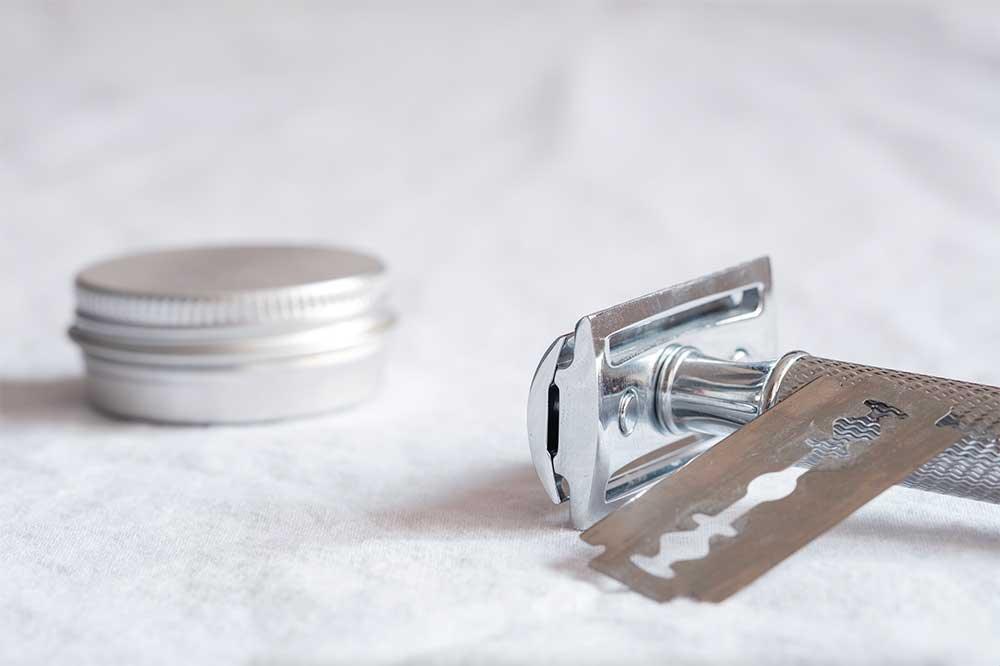
Now you know how to use a safety razor, it's also important how you look after it. Make sure you thoroughly clean your safety razor – it’s best to unscrew it and wash each part separately, letting it air-dry on a towel or handkerchief to prevent rusting.
Things to keep in mind when shaving with a safety razor
Aside from following the steps we’ve outlined above, there are also some differences between your old commercial razor and a safety razor to keep in mind, as well as some universal considerations for shaving with a safety razor:
- Never dry shave and always use shaving soap bars or foam to protect your skin and help the safety razor slide.
- Do not push on your skin with the safety razor as you would with a commercial one – the weight of the safety razor pushes it to the skin and forcing it further would result in cuts.
- Take your time when you’re using a safety razor for the first time and don’t rush.
- Replace your safety razor blade after every 5-10 shaves (depending on which area of your body you’re shaving) to make sure you always get a clean shave.
- It’s best to shave after some time spent in the shower or bath, which is when your hair will be the softest and easiest to shave.
- Moisturise your skin after you shave to prevent irritation.
- It takes some time to learn how to use a safety razor, so don’t be discouraged by a cut or two your first time around using it!
Now you're armed with all of the info you need for the perfect shave, perhaps now its time to make the switch to an eco friendly razor.
Looking for brands which share our eco conscious values? Give Bambaw, Mutiny Shaving or Rugged Nature a little look!
0 comments
Let customers speak for us
Blog posts
Medical travel is becoming increasingly common, but a successful procedure is only one part of the journey. Recovery often continues long after returning home, making wellbeing, rest and aftercare just as important as choosing the right clinic or specialist. Whether travelling for dental treatment, fertility care, cosmetic procedures or other medical services, patients benefit from preparing for recovery before they leave their destination. Prioritising quality sleep, staying hydrated, eating nourishing meals and following professional aftercare guidance can all support the body's natural healing process. Gentle movement, stress management and maintaining realistic expectations may also help improve both physical and emotional wellbeing during recovery. Creating a calm environment at home, staying connected with healthcare providers and allowing sufficient time for rest can make the transition back to everyday life smoother and more comfortable. At Friendly Turtle EcoBlog, we believe wellbeing is built through mindful habits and conscious lifestyle choices, particularly during periods when the body requires extra support. This guide explores practical ways to support your wellbeing after medical travel, helping you focus on recovery, balance and long-term health while developing positive habits that can continue benefiting your wellbeing long after the journey itself has ended.
Pilates offers far more than physical exercise; it provides a practical way to slow down, reconnect with the body and create space for calm in an increasingly fast-paced world. With many people spending long hours in front of screens and juggling constant notifications, mental fatigue, stress and physical tension have become common parts of everyday life. Pilates helps counter these challenges by encouraging mindful movement, focused breathing and full-body awareness. Through controlled exercises and diaphragmatic breathing techniques, it can support nervous system regulation, improve posture and help release tension that often builds up in the neck, shoulders and lower back. The practice also creates a valuable opportunity to step away from digital distractions, allowing the mind to rest and refocus. Over time, increased body awareness can help individuals recognise the early signs of stress and respond more intentionally before they become overwhelming. At Friendly Turtle EcoBlog, we believe sustainable wellbeing is built through simple habits that nurture both physical and mental health. This article explores how Pilates can support stress relief, emotional resilience and mindful living, making it a valuable tool for anyone seeking greater balance, focus and wellbeing in modern daily life.
