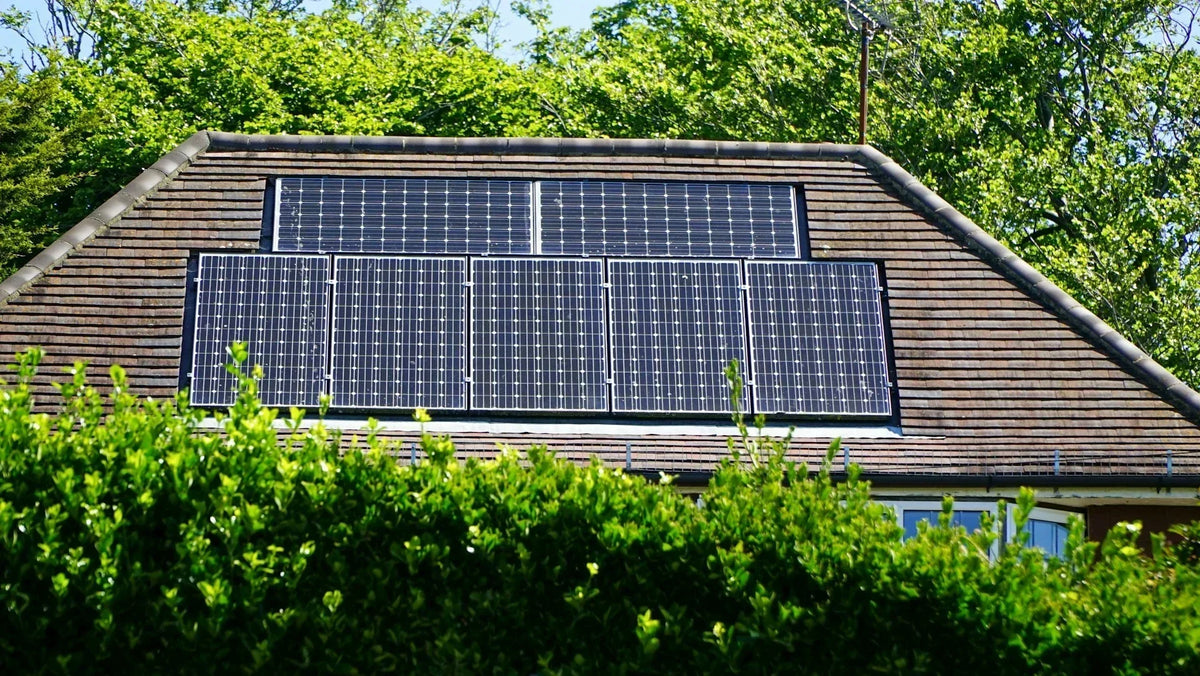
In the past several years, solar roofing has taken the number one spot among homeowners who decided to choose a sustainable lifestyle and wanted to replace the traditional roofing that they previously owned.
Even though there’s no doubt that rooftop solar panels are an amazing investment and something that’s going to safeguard your home for many, many years, just like with conventional roofs, they need to be properly maintained as well.
But don’t panic right away! Maintaining a solar roof isn’t all that difficult and if you would like to know what you’re supposed to do to be sure it stays durable, then just pay attention to the tips and tricks that were put together today for you.
An Expert Can Help!
If you’ve never taken care of rooftop solar panels, then it would be advisable to get some help from the people who have dealt with them before. There are many people who resort to various DIY solutions, which isn’t a bad idea, however, if you do not have enough experience when it comes to this, you can do more harm than good.
So what should you do instead? Until you become more skilled as far as this is concerned, you should leave it all up to the professionals. Now, the question is, is it easy to find a reputable roofing company?
Thankfully, there are lots of experts out there who are truly great at what they do, however, in order to do so, you will need to do some homework and go through online reviews to see what previous homeowners have said about a particular roofer. It doesn't matter whether you are looking for a Los Angeles roofer, or a roofer from another city, the same rule applies. At the end of the day, you do not want an amateur to mess up with something that's as delicate as this.
On the flip side, if you are lucky enough to hunt down someone who is a real expert, you’ll be provided with top-notch services that will ensure your roof works impeccably for years, if not, even decades.
Don’t Forget To Clean It!
One of the simplest, yet most effective ways to properly maintain your solar roof is by regularly maintaining it, making sure that it is completely free from the debris. Bear in mind that things such as bird droppings, leaves, dirt, and dust pile up over time on the surface of your rooftop solar panel, which can negatively affect its overall performance and efficacy.
If you want to prevent this from occurring, you should inspect the roof on a regular basis and clean it using a hose, soft brush, or sponge. Speaking of this, you should steer clear of harsh chemicals and abrasive materials, as they can be detrimental to your roof and damage the panels' protective coatings.
Is There Any Damage To It?
Just like with conventional roofs, the situation is practically the same with solar roofing as far as regular inspection is concerned. Keep in mind that it plays a significant role in unveiling various issues (both minor and severe) that have hit your solar roof.
Pay special attention to things like cracks, any physical damage, loose wiring, or anything else that can negatively impact the performance of your roof. If you notice anything suspicious when it comes to this, then it’s pivotal to urgently contact a professional, unless you’re capable of resolving it on your own.
Why does this matter so much? In these instances, being proactive is essential, because that’s going to help you address any problems on time and prevent minor ones from turning into bigger issues.
Don’t Forget To Get Rid Of The Snow!
Since winter is still here, now is the perfect time to deal with the snow which tends to accumulate on the solar roof frequently and cause some major issues. Namely, in case you didn't know, when it builds up it blocks the sun rays, which makes solar panels a lot less effective in terms of producing energy.
If you would like to avoid that, and, simultaneously, make sure that the entire system works effortlessly, then you need to remove the snow that has piled up over time. There are various strategies that you can resort to in these instances:
- Be sure to utilize soft tools and brush that are intended for solar roofing
- Clear the region that surrounds the panels
- Begin with edges
While maintaining rooftop solar panels may seem tedious to some homeowners, it's essential to do it whenever you can to ensure their performance is not disrupted.



0 comments