Oftentimes, it can be tricky to find clothes that fit like a dream and make you look like a million bucks at the same time. Whenever you find sustainable clothes like these, it’s natural to want to wear them for as long as you possibly can.
It’s a good thing there are several sustainable ways that you can preserve your favorite clothes and extend their lifespans. Follow these sustainable tips to enjoy your favorite items for longer after you first buy them.
1) Prioritize Quality When Choosing Your Clothes
When shopping for clothes, especially staples like leggings and shirts, it’s better to invest in high-quality pieces instead of buying from fast fashion brands whose quality you can’t vouch for. Investing in quality clothes can save money in the long term by reducing the need for frequent replacements. Mother Nature will appreciate if you don't add too much waste to landfills, a big problem for the fashion industry.
2) Rotate Your Wardrobe
One of the best ways to preserve your clothes is by observing a wardrobe rotation schedule. No matter how carefully you launder your clothes, each wash cycle will wear out the fabric and the threads that hold the fabric together.
To keep your clothes in good condition, try wearing different outfits instead of always wearing the same one. This way, the wear and tear will be spread out more evenly. This is also a great way to rediscover and make good use of pieces you might have forgotten about.
3) Learn to Mend Your Own Clothes
Don't let minor damages on your clothes turn into irreparable flaws. Learn basic clothing repairs to extend the lifespans of your favorite items. From sewing on loose buttons to patching small holes, a little TLC or tender loving care will go a long way for your go-to clothing items.
4) Use Dye Baths to Re-Color Your Clothes
Has your favorite vintage tee lost its vibrancy? Consider dyeing it to bring it back to life. Dye baths are a fantastic way to rejuvenate faded or stained garments. To make the most out of your dye bath, pick out garments with the same color. For instance, you can dye all your black T-shirts and pants in one batch.
5) Wash Clothes Only When Necessary
Are you a serial over-washer? Over washing is a common culprit for clothing becoming worse. Before tossing an item in the laundry basket, assess if it truly needs washing. Many times, a gentle spot clean or airing out can do the trick.
Did you know that you can wear your jeans up to three times before they actually need a wash? Meanwhile, unless they get dirty or wet quite often, sweaters can be worn up to six times before you need to toss them into the washer.
6) Follow the Manufacturer’s Wash Care Instructions
You should not ignore the care labels on your clothes. They provide guidance on how to clean and care for your garments properly. When you buy something new that you might really like, make sure to read and follow the instructions.
7) Consider Handwashing Your Bras
Delicate bras, especially those made of delicate fabrics like lace and silk, benefit greatly from gentle handwashing. This preserves their elasticity, shape, and overall wearability. Use a gentle detergent to protect both your hands and your favorite bras.
8) Use a Lingerie Bag to Wash Your Delicates
For underwear and other delicates, a lingerie bag is a must-have. These mesh bags protect these items from snagging, stretching, or tangling with other clothes during the wash. Ultimately, you’ll spend less money replacing your underwear if you take the best care of the pieces you put through your wash cycles.
9) Wash Clothes Using Cold Water and Mild Detergent
For most fabrics, cold water and a mild detergent are your best bet. They clean effectively while being gentle on your clothes, and they’re the eco-friendliest and least wasteful option.
Avoid bleach, as it can be harsh on fabrics and wreak havoc on your favorite colored clothes. Whenever possible, explore alternative stain removal methods.
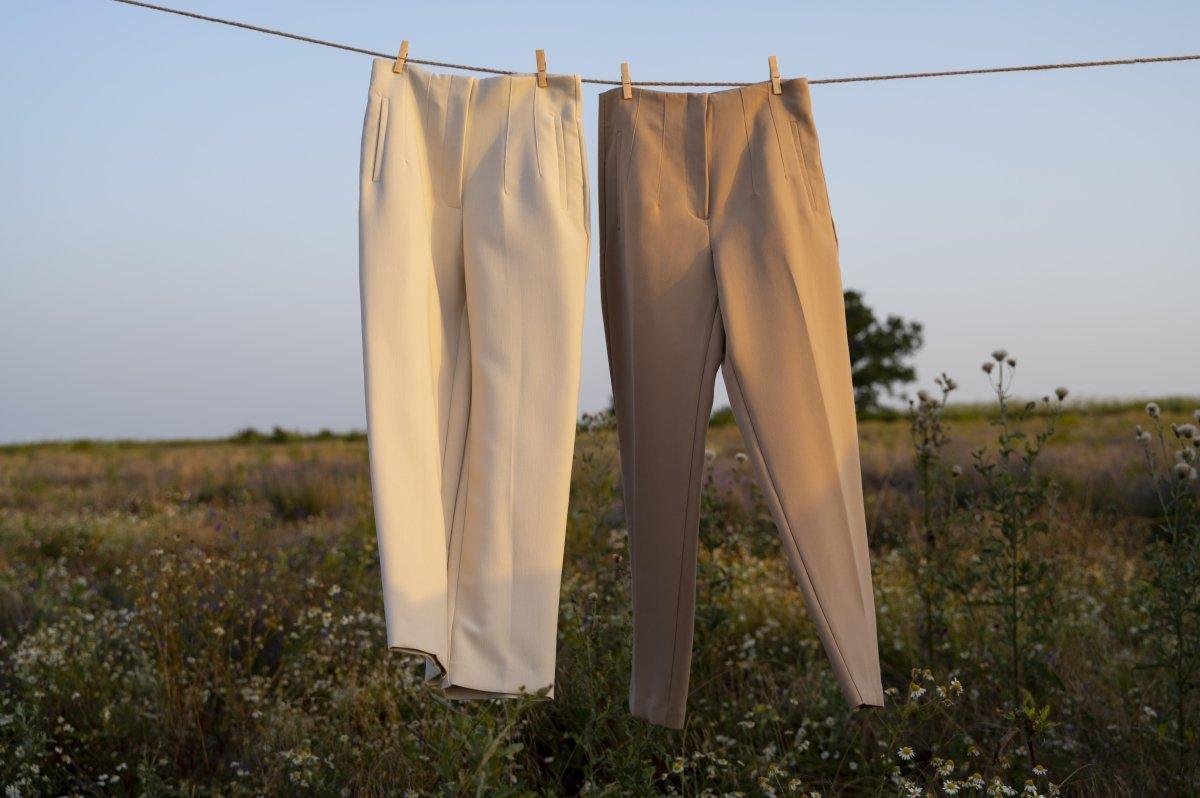
10) Air-Dry Your Clothes
Bid farewell to the tumble dryer, at least for your favorite clothes. Air-drying is the gentlest way to dry your garments because it prevents shrinkage and damage from high heat. Use this approach for clothes that you want to last you long.
11) Iron Clothes Using the Right Temperature
Ironing plays an essential role in clothing care, but you must do it correctly. For starters, not all clothes need ironing. Some only require you to fold your clothes properly to prevent too much wrinkling.
However, for business attire, ironing is necessary to achieve a professional and polished look. When you do need to iron your clothes, make sure the setting corresponds to the correct fabric to prevent scorching or damaging it. For guidance about the fabric and the temperature you should be on when ironing, refer to the label on your clothes.
12) Store Clothing in a Cool and Dry Place
Don’t forget about storing your clothes properly, too. Keep your clothes away from direct sunlight, as it can cause fading and wear on exposed clothes. Also, consider using breathable garment bags or hangers to protect them from dust and pests.
Preserving your favorite clothes is an art that involves a combination of care, attention, and a few handy tricks. Make your clothes last longer with these tips and enjoy wearing them for many years or even decades.



0 comments