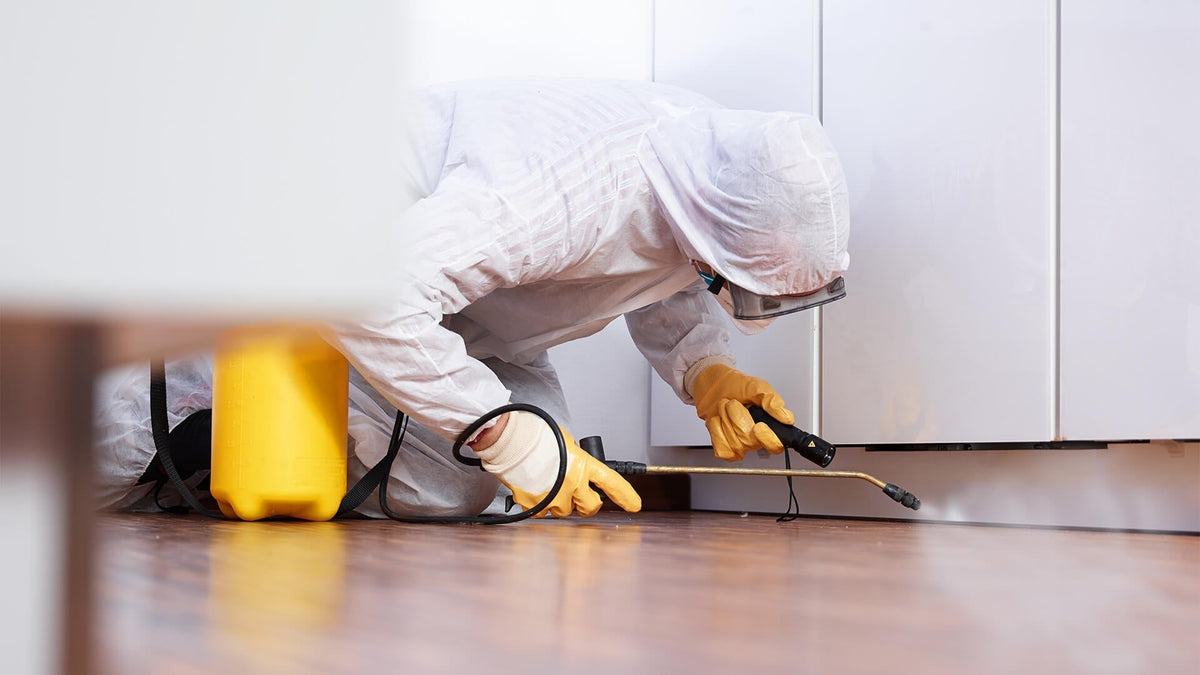
When you find fleas invading your house, it's a pressing concern that calls for immediate action. In these distressing times, you need straight facts and effective ways to ensure the swift elimination of fleas from your home.
The tiny guests can ruin your calm living with their nasty bites and fast-spreading numbers. They can infest not only your pets but also carpets, furniture, and bedding in no time.
Don't let them terrorise your family anymore. This ultimate guide offers a comprehensive approach to effectively dispose of them, safeguarding your cherished space against future infestations.
Fleas and Their Life Cycle
Fleas progress through four developmental stages: eggs, larvae, pupae, and adults. Each stage presents unique characteristics and challenges for extermination efforts.
The Tiny World of Flea Eggs
Mature females lay small white eggs after feeding, often scattered throughout your home. These eggs hatch within 2 to 14 days.
Flea Larvae - The Intermediate Stage
Flea larvae avoid light, hiding in carpets or fur to consume organic materials. This stage lasts from 4 to 18 days.
Pupae - The Cocoon Stage
Larvae transform into pupae within sticky cocoons, emerging as adults when stimulated by potential hosts.
Living as an Adult Flea
Emerging adults immediately seek food sources. Feeding fleas lay fresh eggs, perpetuating the cycle. Adults live between 2 weeks to 8 months.
Environmental Impact on Fleas
Fleas prefer temperatures between 70-85°F and high humidity. These conditions expedite their life cycle.
The Duration of Life Cycle
A flea's life cycle can span from several weeks up to 6 months. Regular, year-round flea treatment helps control or prevent infestations.
Signs of Flea Infestation
Fleas are parasites found on cats and dogs, consuming blood up to 15 times their weight in a day.
What are the early signs of fleas?
Key signs include adult fleas, flea eggs and larvae, flea dirt, flea bites, and excessive scratching or itching in pets.
What do fleas look like?
Fleas are small, brown or black bugs resembling tiny grains of rice. Female fleas can lay up to 50 eggs per day.
Can fleas be seen with the naked eye?
Yes, adult fleas are visible to the naked eye. Flea eggs are tiny and white; larvae resemble minuscule worms.
How can I check for flea infestation in my yard?
To assess your yard, wear white socks pulled high. Adult fleas visible against the white background indicate an infestation.
Are insecticide foggers effective against fleas?
Insecticide foggers are not recommended for flea control. Instead, use a combination of home remedies, over-the-counter treatments, and preventive measures.
How frequent is vacuuming in flea treatment?
Regular vacuuming is crucial while treating premises for fleas. It helps reduce the number of fleas indoors.
Inspecting Your Pet for Fleas
Fleas are tricky pests to spot, but knowing what to look for makes a difference. Start by observing your pet's behavior closely.
Excessive scratching and biting may indicate a flea infestation, often leading to skin redness and irritation.
Pay close attention to your pet's skin. Flea bites appear as tiny, inflamed red dots, smaller than other insect bites.
-
Spotting flea dirt: Flea droppings or "flea dirt" resemble specks of pepper. Confirm their presence by placing them on a damp paper towel; they change from black to brown and then redden due to the blood content.
-
Get a flea comb: This tool helps detect fleas and flea dirt on your pet. Focus on the neck and tail areas where fleas are active.
-
Check warm areas: Fleas love warmth; inspect areas between your pet's legs and belly. Finding dark specks or fleas confirms an infestation.
-
Look for hair loss and restlessness: Symptoms like hair loss, skin sores, restlessness, or anemia in severe cases may indicate fleas.
If you suspect an infestation, regular checks using a flea comb are recommended. Early detection can prevent adverse reactions and secondary infections.
Keep your pet's bedding clean and vacuum upholstered furniture regularly to reduce fleas in your house. Flea droppings might populate your pet's bedding.
If an infestation is confirmed, consult a veterinarian. They can recommend appropriate treatments and preventatives to manage and avoid future infestations.
Eliminating Fleas from Pets
Effective flea control requires a comprehensive plan targeting every life stage. Single treatments are insufficient since only 1-3% of fleas are adults.
Sanitation is crucial in battling fleas. Regular washing and drying of pet bedding, thorough vacuuming of carpets and floors, and keeping pet areas clean are good starting points.
Use vacuum cleaners equipped with flea attachments to remove eggs and larvae in crevices. Replace vacuum bags or empty canisters frequently.
Consistent pet treatment is key. Bathe pets regularly in soapy water, and use a flea comb to remove eggs and larvae from fur.
Spot-on medicated treatments can be effective but may require multiple applications to eliminate all flea life stages.
Deep Cleaning Your Home
When fleas invade your household, deep cleaning is essential. Your arsenal should include heavy-duty vacuums, hot water laundry, and targeted flea solutions.
Vacuum diligently—every room, corner, crevice, and hidden space needs attention.
-
Intensive Vacuuming: Use a powerful vacuum with a HEPA filter to remove adult fleas, eggs, and larvae. Securely seal vacuum contents and dispose of them outside.
-
Hot Water Wash: Washing at high temperatures (at least 130°F) kills fleas at every life stage. Include all bedding, cushions, linens, and curtains.
-
Steam Clean Carpets: High temperatures and moisture eliminate fleas and deep-seated dirt. Focus on carpeted areas and upholstery.
-
Disinfect Surfaces: Clean countertops, tables, and floors with bleach solution or a commercial disinfectant.
Using targeted flea treatments can aid in removal. Diatomaceous earth is a non-toxic powder that dehydrates fleas upon contact. Distribute it on pet bedding and floors before vacuuming. Aerosol sprays help target hidden areas under beds or couches.
Consistent efforts combining thorough cleaning, diligent pet treatment, and targeted flea products can eliminate fleas from your home.
Removing Fleas from Your Yard
Proper yard maintenance can prevent fleas from breeding. Regular grooming and careful watering discourage fleas.
Frequently mowing the grass leaves no place for fleas to hide, significantly reducing infestation.
Spread cedar chips in your garden; their fragrance repels fleas. Use them around fences and garden beds.
-
Mow the lawn: Eliminates hiding spots in tall grass.
-
Avoid overwatering: Fleas thrive in moist environments; keep your yard dry.
-
Use insecticides: If necessary, opt for child- and pet-friendly insecticides.
-
Use cedar chips: Spread them along fences and garden beds to deter fleas.
If fleas persist, consider using nematodes or flooding techniques. Nematodes, natural predators of fleas, are eco-friendly. Flooding the yard with water can also be effective, as fleas cannot survive underwater.
Maintain yard cleanliness by clearing waste and storing food/garbage properly to prevent wildlife interactions that contribute to flea problems.
Severe infestations may require professional treatment. Incorporating these tips can significantly reduce the likelihood of fleas in your yard.
Preventing Future Infestations
Maintaining a clean home, regular pet treatment, and outdoor adjustments are essential strategies to avoid further flea infestations. Here are crucial everyday tactics. Flea infestations often go hand-in-hand with other household pests. If you're also noticing signs of rodents, it may be time to take additional precautions. Learn how to make your own traps at home with safe, sustainable materials to keep your space pest-free without relying on harsh chemicals.
Regular House Cleaning
Efficient vacuuming with a strong suction and HEPA filter targets fleas at all developmental stages. Dispose of vacuumed waste immediately.
Heat-treat your pet's bedding regularly. Cleaning soft furnishings disrupts the flea life cycle.
Veterinary Recommended Pet Treatment
Administer veterinarian-approved flea prevention products routinely. Oral medications, skin treatments, and flea collars are effective preventive measures.
Flea combs enable manual removal of fleas from pet fur, especially around the tail and neck.
General Outdoor Maintenance
Outdoor upkeep—frequent mowing, trash removal, and vegetation trimming—supports flea control. Apply treatments to areas frequented by pets.
Seal cracks in walls or around doors to prevent fleas from entering the home. For severe cases, consider fogging or anti-flea carpet sprays.
Natural Remedies & Consistent Cleaning
Natural remedies like soapy water or flea sprays complement regular cleaning in controlling flea populations.
Maintain a steady cleaning regimen, focusing on pet-friendly areas to disrupt the growth of flea eggs and larvae.
Pet Care & Veterinary Guidance
Limiting outdoor time reduces your pet's exposure to fleas. Regular vet follow-ups ensure prevention measures tailored to your pet's needs.
When to Consult a Veterinarian
Flea control is crucial for pet care, especially in cats, to mitigate discomfort, skin irritation, and allergic reactions. Fleas can transmit diseases, causing severe illnesses in pets and humans. Prevention is key.
Consult a veterinarian if you observe signs of fleas or ticks on your pet, if your pet shows symptoms like excessive scratching or skin rash, or if previous troubles persist despite treatment.
Regular grooming and examining your pet ensures early detection and timely treatment. If there's an underlying health concern contributing to infestations, addressing it is essential.
In Summary
You're now equipped with critical knowledge to identify, address, and prevent fleas. Arm yourself even further by understanding why fleas only bite certain people. Follow these steps diligently, and your home and pets will remain flea-free.