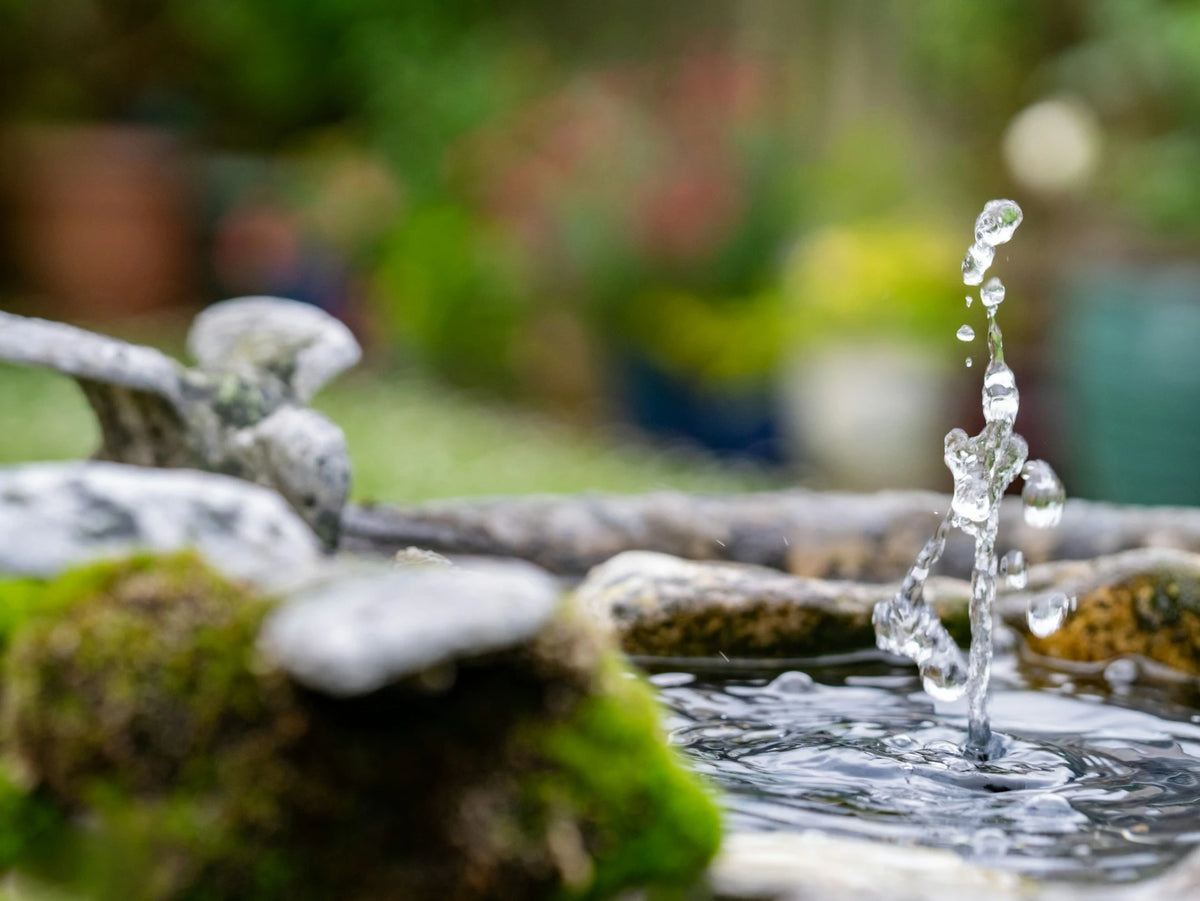
There is something utterly divine about being next to a fountain. From the tinkling sounds they make to the flow of water that adds a sense of movement to an otherwise static environment, the humble fountain has the power to transform any space in which it resides. However, the process of choosing one can be more stressful than many people think, partly thanks to the sheer variety on offer, but the issue can also be compounded if you want to ensure that you select an eco-friendly option that blends in with nature as a small stream or brook might. In this post, we are going to explore the ways that a fountain can enhance any space you place it and a few methods to ensure it remains as environmentally friendly as possible.
Outdoor Fountains Enhance Garden Aesthetics Beautifully
There is no doubt that a well-placed fountain can completely change the entire aesthetic of an outdoor space. Depending on how you place it and how effectively you can blend it into the surrounding environment, you can turn a humdrum garden into a serene oasis of tranquility that beckons the weary to sit and calm their minds. Whether you opt for modern outdoor wall fountains or something a little more "rustic," there are lots of options to create a new feeling throughout. By investing in a fountain, you will help generate positive movement through your yard, one that can help the energy flow around more freely. Besides this, you will attract various flora and fauna that will be attracted to the running water and, as a result, craft a wild haven that is buzzing with life and energy.
Eco-Friendly Materials Ensure Sustainability
If you are really serious about ensuring the eco-credentials of any fountain you purchase, it's a good idea to only invest in options that utilize environmentally friendly materials to ensure sustainability. This could range from recycled materials that were used as something else in their former life or possibly even something like hempcrete, which is made using hemp and can cure into an incredibly robust final material not too dissimilar to concrete, except minus the usual nasties that concrete is made from. Whatever you go for, just be sure to choose a material that can withstand years of water running over and through it so that you won't have to continually change your fountain as it begins to deteriorate.
You Can Use Solar To Power The Pumps
Unless you're looking to install a fountain like the one outside of the Bellagio Hotel in Vegas, solar power alone should provide all the energy you will ever need to power a basic pump. We don't need to extoll the benefits that solar offers, as we're sure you're already aware, but the fact remains that it can be an exceptionally brilliant way to power your fountain without having to use mains electricity that is generally powered using fossil fuels. Additionally, if you're relatively handy with a bit of DIY, you can usually set these systems up yourself with only a few tools. You can buy dedicated solar pumps, where all that's involved is placing the panel in an area that will receive the most light, connecting it to the pump (usually via a simple set of wires), and putting the pump in your water source. Just ensure to waterproof it all to avoid any issues down the line.
Incorporate Native Plants That Can Help To Clean The Water
Choosing the right plants for your outdoor fountain is not just about aesthetics; it's also a green way to maintain clean and healthy water. Native plants are ideal for this purpose because they are well-adapted to the local environment and effective at filtering out pollutants.
-
Water Lilies are perfect for outdoor fountains as their broad leaves provide shade, reducing algae growth in the water.
- Cattails, with their tall and striking appearance, are excellent for absorbing nutrients and helping to reduce water contamination.
- Another native species, pickerelweed, is particularly beneficial because it can absorb excess nutrients while providing habitat for local wildlife.
These natural solutions are preferable over harsh chemicals, which can introduce toxins into your water and potentially harm the ecosystem and deter all of the wonderous bugs and pond life that should be attracted to your water feature. You will also find that native plants are generally low maintenance, requiring less intervention to thrive, which in turn supports a healthier and more balanced outdoor space...which is ideally what you want to be aiming for.

Water Conservation Is Essential
It's fair to say that water is arguably the most important resource we have on this planet, so it makes sense to conserve it whenever possible. One practical method to reduce water usage is to incorporate a recirculating pump, which continuously cycles the same water through the fountain without the need for constant refilling. This simple yet effective approach ensures minimal water waste and keeps the fountain running smoothly. Another critical aspect of ensuring you are not constantly refilling your pond is choosing the appropriate materials for your fountain. Natural stone or ceramic materials reduce evaporation compared to more porous options, which helps to retain water levels over extended periods. Incorporating shading elements such as plants or strategically placing the fountain away from direct sunlight can further minimize evaporation, allowing the water to stay cooler and less prone to quick depletion.
Consider Noise Levels When Selecting A Model
There are lots of types of pollution, with noise pollution being one of them. If you live in a remote area and are fine with a certain amount of noise, then you needn't worry about this point. But, if you live near others and want to keep the peace, choosing a fountain that uses a low-noise pump is going to help enormously. To be honest, even if you live far from others, you want to hear the burbling water rather than the incessant whirring of a pump, so do yourself a favor and look for the quest models out there.
Regular Cleaning Maintains Fountain Efficiency And Lowers Energy Usage
The cleaner your water is, the easier it will flow through your pump and thus use far less energy than it would otherwise need to push through highly contaminated water. Regular maintenance is also key to conserving water. By checking for leaks and promptly repairing any that are found, you can prevent substantial water loss. Installing a splash guard or water-resistant liner can help to contain the water within the intended area, providing an additional safeguard against unnecessary waste.
Fountains are wonderful and can help you feel at one with your surroundings. They provide a place to sit and decompress your mind as you listen to the water softly flowing and recirculating. And, as long as you opt for an eco-friendly model, you will have peace of mind that the serenity you find is not taking anything away from the planet.