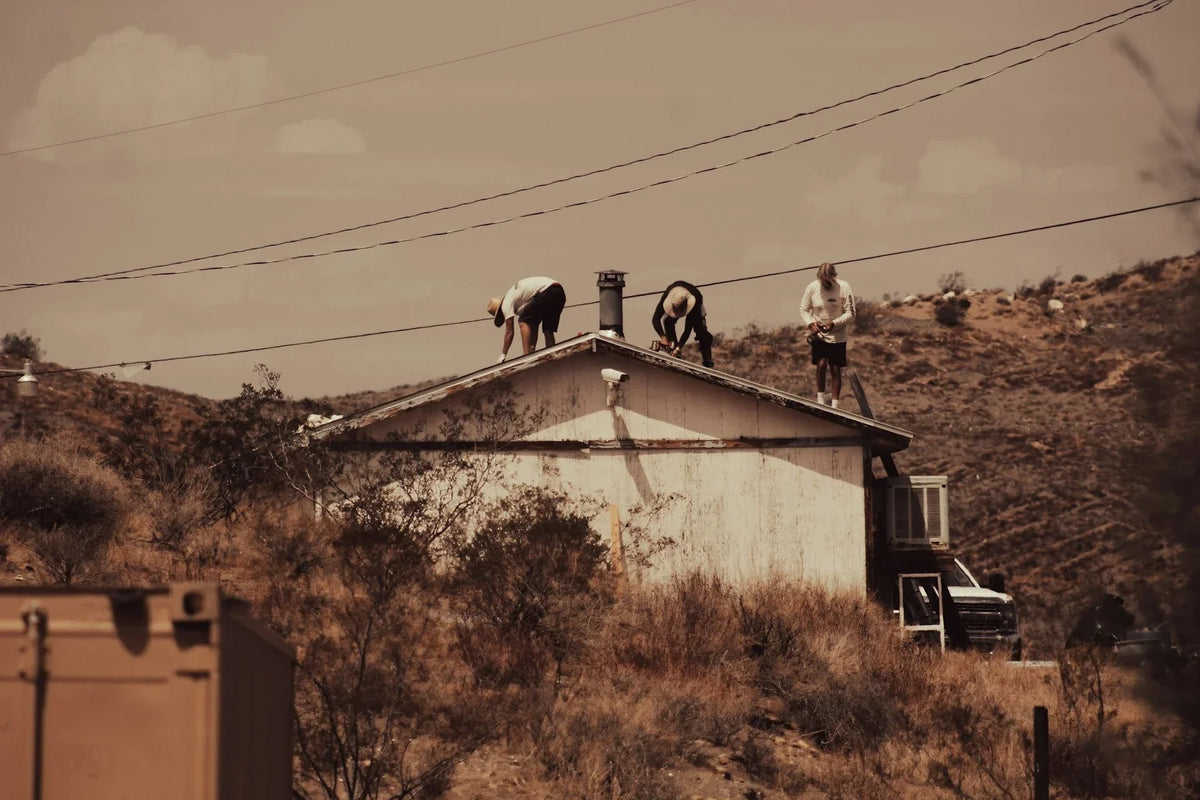
Roof repairs are some of the inevitable parts of your regular home maintenance, which requires your special care and attention, as the roof is among the most important parts of your home. However, you should do your best to be as eco-friendly as possible in this process, as you can benefit the environment and show your appreciation toward nature and the world you live in. Here are some tips to help you achieve this goal.
Use sustainable materials
One of the best ways to repair your roof in an eco-friendly way is to use sustainable materials that will be durable, recyclable, and energy-efficient. For example, using shingles from recycled materials is one way to do this, and you can use things like wood fiber, plastic, or rubber. Metal roofing is another great option, as it is low energy-consuming and can be completely recyclable. Clay and slate tiles are also among the amazing options, as you can use them as eco-friendly materials that will last a long time and satisfy your needs. Using sustainable materials will help you improve your home’s energy efficiency, lessen your impact on the environment, and create a positive impact in the construction industry, as you will enjoy things like better insulation, less maintenance costs, and less heat absorption, leading to less energy use.
Work with the right contractor
Working with the right and sustainable contractor will make a huge difference in repairing your roof in an eco-friendly way, as you will have someone who knows all the procedures and rules about environmental awareness. They will use the right procedures and products, do their best to reduce waste, and install eco-friendly features you can use all the time. Also, they will do their best to take care of the recyclable material instead of just throwing it away, making a positive change for the environment. All of these practices will extend your roof’s lifespan and energy efficiency, and you will save a lot of precious money and time with the right design and insulation. The right contractors will also provide solutions that will make your roof more durable and energy efficient, and you will need fewer repairs in the future, all of which will reflect positively on your budget and give you peace of mind. After all, you need your roof to fulfill these needs, like decreasing maintenance costs and environmental impact, and with the right professionals by your side, you will be on the right way to achieving this goal.
Think about energy efficiency
Every homeowner should think about making their home more energy efficient because it will benefit them during hot summer days and cold winter months and what is even more important is that you will preserve energy. There are many new tech options that you can incorporate into your roof that can help you out with insulating your home. For example, there are special shingles that have the property to reflect sunlight, which will help you cool all the rooms in your home. Even though these investments may seem too much for you at the moment you should calculate in how many years you will start to profit from it. Keep in mind that electricity most likely won’t stop rising any time soon so preserving energy may become essential in the near future.
Enhance roof insulation
Better roof insulation means better energy efficiency and reduced environmental impact, which is especially important if you want to save money on your energy bills. This way, you will have better insulation during summer and winter, so you won’t need to use your AC system as much as you would with poor insulation. You can use wool, cellulose, or recycled denim as insulation, as these materials are biodegradable and have extra thermal resistance. Also, don’t forget to check for any leaks or gaps in your roof, as these are usually the places where the air is escaping and increasing your energy consumption. Amazing insulation and environmentally friendly products will make your home more sustainable, so don’t ignore this important aspect.
Collect rainwater
In many places around the world, water has become scarce and more communities will start to feel the impact of climate change soon and that is why you should think about better ways you can use what nature has given to you. There are many ways you can start collecting rainwater that falls on your roof, which you can later use for various purposes like gardening.
Conducting regular roof inspections and repairs in an eco-friendly way is essential if you want to be more gentle with nature and show your care for the planet. With the tips mentioned here, you will have the best of both worlds, including making your home sustainable and comfortable while at the same time doing the best you can for the environment.