Protecting your home doesn't have to come at the cost of the environment. Many homeowners are turning to sustainable methods that not only improve safety but also support a more energy-efficient and environmentally conscious lifestyle. By using materials and systems that work in harmony with nature, you can create a secure living space without compromising your green values.
Choose Flyscreen Doors with a Security Upgrade
One of the simplest yet most effective ways to boost your home's safety is by installing flyscreen doors. These doors serve a dual purpose: they provide a physical barrier against intruders while allowing natural ventilation and keeping insects out. The mesh used in many modern designs is made from recyclable or corrosion-resistant materials, contributing to longevity and reduced waste. By opting for security flyscreen doors that feature tamper-proof locks and robust frames, you can reduce reliance on air conditioning and artificial lighting by keeping your doors open without losing peace of mind. Their sleek appearance and functional design also complement a wide range of architectural styles, making them a practical and stylish addition to eco-conscious homes.
Install Solar-Powered Outdoor Lighting
Lighting is a key component of any secure home. Bright, well-lit outdoor spaces can discourage unwanted visitors and provide better visibility during the night. Solar-powered lights are a smart, eco-friendly alternative to traditional wired lighting systems. They collect energy from the sun during the day and activate automatically at dusk, requiring no electricity from the grid. This not only helps cut down on energy bills but also lowers your home’s carbon footprint. Choose motion-sensor models to make the most of their battery life while enhancing security through responsive illumination.
Plant Defensive Greenery
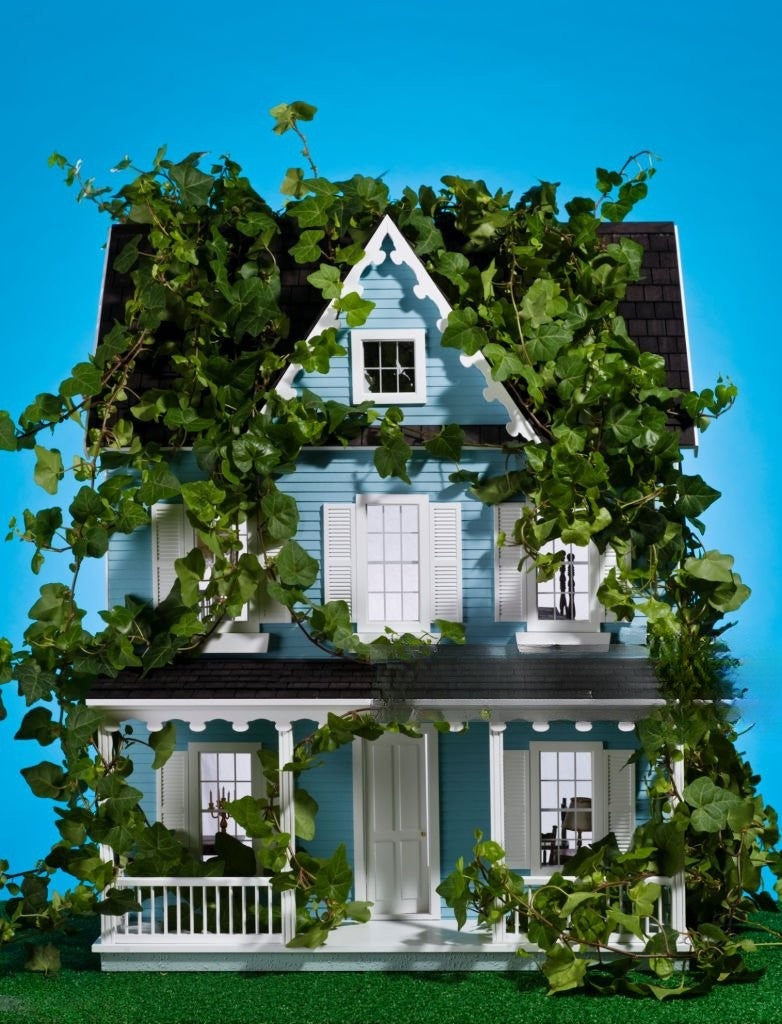
Landscaping choices can influence both the safety and sustainability of your home. Strategic planting of dense shrubs or thorny bushes beneath windows can act as a natural deterrent to break-ins. Native plants are especially beneficial, as they require less water, fertilizer, and maintenance. Hedges can be grown tall enough to create privacy screens that shield your home from outside view, all without blocking light or air circulation. Avoid overcrowding near entryways, and make sure paths remain clear to prevent hiding spots for intruders.
Use Smart Home Technology That Conserves Energy
Eco-conscious security extends beyond doors and gardens—it’s also about how you manage and monitor your home. Smart home technology offers a range of solutions that not only strengthen security but also reduce unnecessary energy consumption. Devices like smart locks, video doorbells, and wireless security cameras provide real-time monitoring and alerts, giving homeowners control from virtually anywhere through mobile apps. These systems often come with features such as facial recognition, activity zones, and two-way audio, which allow for precise detection and targeted responses, avoiding the constant operation of traditional systems that drain power.
Many of these devices are designed with low energy consumption in mind, running on rechargeable batteries or using power-saving standby modes when not in use. Some integrate with solar panels or energy-efficient home hubs, which help further cut down on electricity use. Beyond cameras and locks, whole-home systems can sync with other smart devices, such as motion-activated lighting, window sensors, and thermostats, creating a network that adjusts based on your behavior and presence.
Sustainable home security blends technology, design, and nature to create a space that is both safe and environmentally responsible. From using durable materials like those found in security doors to incorporating solar energy and eco-friendly landscaping, each choice can have a lasting impact. Making thoughtful decisions around home safety can support a greener future without sacrificing comfort or protection.



0 comments