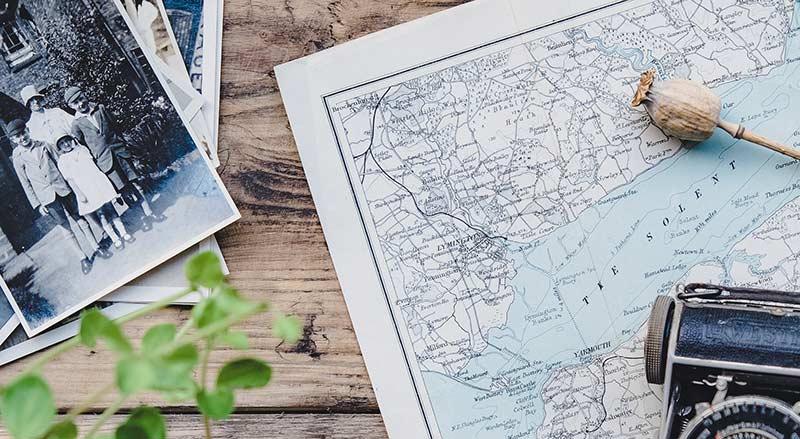
We all have old photos that are either stored away in boxes or displayed in a photo album. These photos carry precious memories that we would like to keep safe, but preserving them without harming the environment can be a challenge.
Fortunately, there are eco-friendly ways to digitize your old photos, which not only reduces your environmental impact but also ensures that your memories are stored safely. In this blog post, we'll discuss some tips on how to preserve old photos while minimizing your carbon footprint and some ways to recycle photo albums and VHS tapes.
Tips to Preserve Old Photos
Learn how to get the most out of your photo recycling journey and preserve your memories for future generations. Get started today with these quick tips to help you maintain your priceless pictures.
1. Choose a sustainable photo restoration service
When choosing a photo restoration service, look for a provider that emphasizes sustainability. Some companies, such as Forever Studios, use eco-friendly practices and materials during the photo restoration process. By selecting such a service, you can ensure that your old photos are restored with minimal environmental impact.
They also offer recycling services to clients. They can take your old photo albums and photos, digitize them, and save the images in the cloud so you can easily access and download the files before recycling the tapes.
Furthermore, all of their packaging is also recycled - Forever Studios have a machine that turns cardboard boxes into packing material.
Plus, when sending digital files we use USB drives made from Bamboo, an incredibly eco-friendly wood that grows faster than any other renewable resource. To top it off, they also offer to store your digital photos in the cloud with no carbon footprint.
2. Select an eco-friendly scanner
Scanners consume energy during operation, but some models are more energy-efficient than others.
Look for a scanner with a rating that indicates reduced power consumption during use. This can help you reduce the energy footprint of scanning your old photos.
3. Avoid using single-use plastic sleeves or binders
Plastic sleeves and binders may seem like a convenient way to store and organize photos, but they also contribute to the plastic waste problem. Instead, consider using reusable sleeves and binders made of recycled materials or paper-based sleeves.
This way, your photos will be stored safely, and you'll be contributing to the environment's protection.
4. Save files in the most efficient format
When saving your scanned photos on your computer, choose the most efficient format to minimize the file size. Some file formats, such as JPEG and PNG, allow you to reduce the image size while maintaining the image's quality.
By doing this, you reduce the storage space used on your device while still keeping your photos clear and vivid.
5. Use cloud storage to reduce physical storage needs
Instead of storing your digitized photos on your computer or external hard drives, consider using cloud storage.
Cloud storage services like Dropbox, Google Drive, and iCloud are eco-friendly options that reduce the need for physical storage space. By utilizing cloud storage, you can also access your photos from anywhere, making it easier to share them with friends and family.
6. Consider sharing photos digitally instead of printing them
One significant way to reduce your environmental impact is to share your photos digitally instead of printing them.
Printing photos requires ink, paper, and energy, which all have negative environmental impacts. Instead, consider sharing your photos via email, messaging apps, or social media platforms. This way, you can keep your memories fresh without harming the environment.
How to Recycle Old Photos
Most of us have old photos, photo albums, VHS tapes, and film tapes lying around the house that we no longer need or use. It could be photos from your childhood, VHS tapes of movies that you have already watched a million times, or photo albums containing memories that you have stored on your phone or computer. Instead of throwing them out, why not recycle them?
1. Donate to Local Museums or Libraries
One of the best ways to recycle old photos and photo albums is to donate them to local museums or libraries. These institutions are always in need of historical artifacts and documents that they can use for research, exhibitions, and other educational purposes.
Before you donate, make sure to contact the museums or libraries in your area to see if they are interested in the items you have. Some institutions may only accept items from certain time periods, while others may be looking for a specific type of item.
2. Sell or Trade-In Online
Another option for recycling old photos, photo albums, VHS tapes, and film tapes is to sell or trade them online. There are many websites that specialize in buying and selling vintage and rare items, such as eBay and Etsy.
You can also try selling them on Facebook Marketplace or Craigslist. In addition, many companies offer trade-in programs for old VHS tapes and film tapes. Some of these companies will even digitize your tapes and send them back to you in a modern format.
3. Digitize Your Photos and Tapes
If you want to keep your memories but get rid of the physical copies, consider digitizing your photos and tapes. You can scan your photos and create digital albums, or use a service like Forever Studios to have your VHS tapes and film tapes digitized. Once your memories are in digital form, you can store them on your computer or in the cloud.
4. Use Them for DIY Projects
If you're feeling crafty, you can use your old photos, photo albums, VHS tapes, and film tapes for DIY projects. For example, you can create a nostalgic collage using your old photos, or use VHS tape as a ribbon for gift wrapping. There are many creative ways to repurpose your old items and give them a second life.
5. Recycle Them Properly
If you're unable to donate or repurpose your old photos, photo albums, VHS tapes, and film tapes, make sure to recycle them properly.
These items cannot be recycled through your regular curbside recycling program, as they contain materials that are not accepted by most recycling facilities. Instead, you can contact your local recycling center to find out if they have a special recycling program for these items.
Conclusion
Preserving your old photos is an important way to ensure your family memories are safe and can be passed down to future generations. However, as we become more environmentally conscious, it's essential to do it in an eco-friendly way.
By following the tips outlined in this blog post, you can preserve your old photos while minimizing your environmental impact.
Whether it's choosing a sustainable photo-restoration service or sharing your photos digitally, small steps can make a big difference in caring for our planet while preserving our most cherished memories. Let's use technology to preserve, reduce waste, and save our planet.