This time of the year is ideal for some decluttering. It is a great opportunity to get rid of all the things that are no longer in use and are considered redundant. However, if you want to do it more consciously (when it comes to our planet) then you should opt for eco-friendly decluttering.
It is as effective as conventional one (in terms of tossing away your possessions), however, it is way more beneficial to our planet. Now, this doesn’t mean that you should eliminate every item you own, but just the ones that you no longer need.
If you've never given eco-conscious decluttering a try, you may find it challenging at first but don't worry, there are various ways you can do it the right way. Today, we will not only cover that topic but will also show you the importance of sustainable decluttering.
What Is The Main Issue With Conventional Way Of Decluttering?
Traditional way means that you’ll be getting rid of the things that are no longer needed and although your space is going to become a lot cleaner, by doing so, you will negatively affect our environment.
How come, you are probably wondering? Environment enthusiasts at atlantanorth.bintheredumpthatusa.com are here to remind you that everything you throw away will most likely end up in landfills, where it's going to take many years for all of these things to decompose, and, at the same time, release detrimental greenhouse gases. Sadly, many of these things frequently end up in places that do not have the right waste management system in place, which will result in pollution that will negatively impact their communities.
Therefore, instead of contributing to the waste increase, you should opt for green dumpsters that will allow you to deal with all the waste in a much more sustainable way, making sure that everything that's recyclable is properly processed.
What Makes Eco-Friendly Decluttering So Much Better?
Keep in mind that everything you ever toss away has some form of environmental footprint, starting from the production to landfill. However, what’s important to mention is the fact that eco-conscious decluttering is concentrating on decreasing the impact all these items have on our planet.
It is here to remind all of us that even though we want to get rid of certain things, we do not need to do anything that’s detrimental to our environment in order to achieve this.
What Are The Most Efficient Ways To Declutter Without Destroying The Planet?
- Start With One Area – When the time comes to declutter our space, it may seemingly look like it's going to take forever to eliminate everything, which can be quite overwhelming. In order to avoid unnecessary stress, start with one area first, and then once you're done, you can move on to the other parts. Now, what's been noticed is that a lot of people forget (or simply do not want to) declutter their backyards and garages, failing to realize that these places are packed with numerous items that are not only completely useless but gather dust too. Therefore, it would be wise to begin with these regions of your property and put the items into boxes that are intended for recycling, upcycling, and storage. The rest can be placed in the green dumpsters, which are generally very practical. They are perfect for spring and summer cleaning, and decluttering in general because they are able to handle large volumes of things.
-
Upcycling And Repurposing – So what does upcycling involve? Namely, it represents transforming the things that you no longer use into something that’s valuable and provides top-notch quality. This normally includes items, such as furniture, pieces of clothing, decorations, and many other things. For example, you can convert some old jars into inventive and wonderful vases.
-
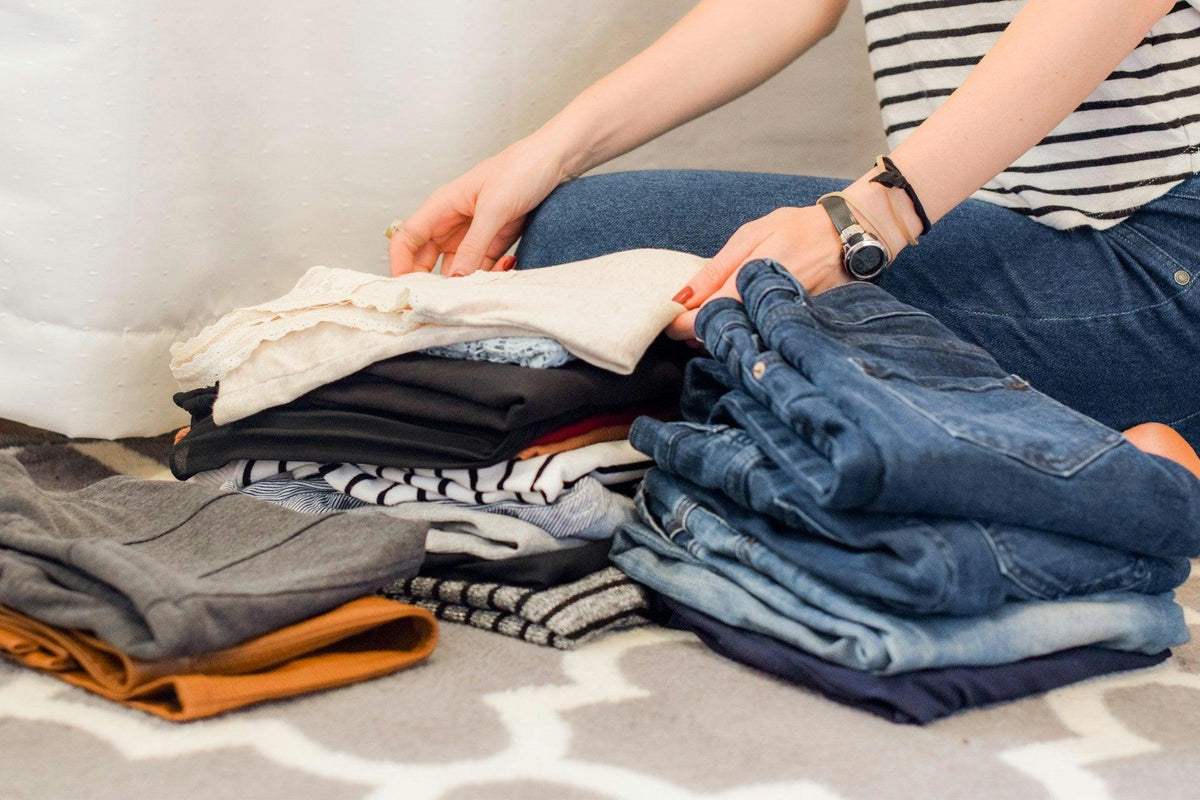
Don’t Forget To Donate – One of the simplest, yet most effective ways to declutter your space in an eco-friendly way is by donating the things you no longer need. Just because you find them useless and redundant, it doesn’t mean that others perceive them the same way about them. One of the primary goals of eco-conscious decluttering is to produce as little waste as you can, and you can do so by donating anything that you no longer want to employ, like kitchenware, pieces of clothing, different tools, and many other materials that could be reused at some point. Remember that things like rocks, bricks, and sand could be of huge help to some people. If you think that now is a good time to declutter, then we completely support that, however, if you want to do it the right way and decrease the negative impact on the environment, then you must opt for the eco-friendly version.



0 comments