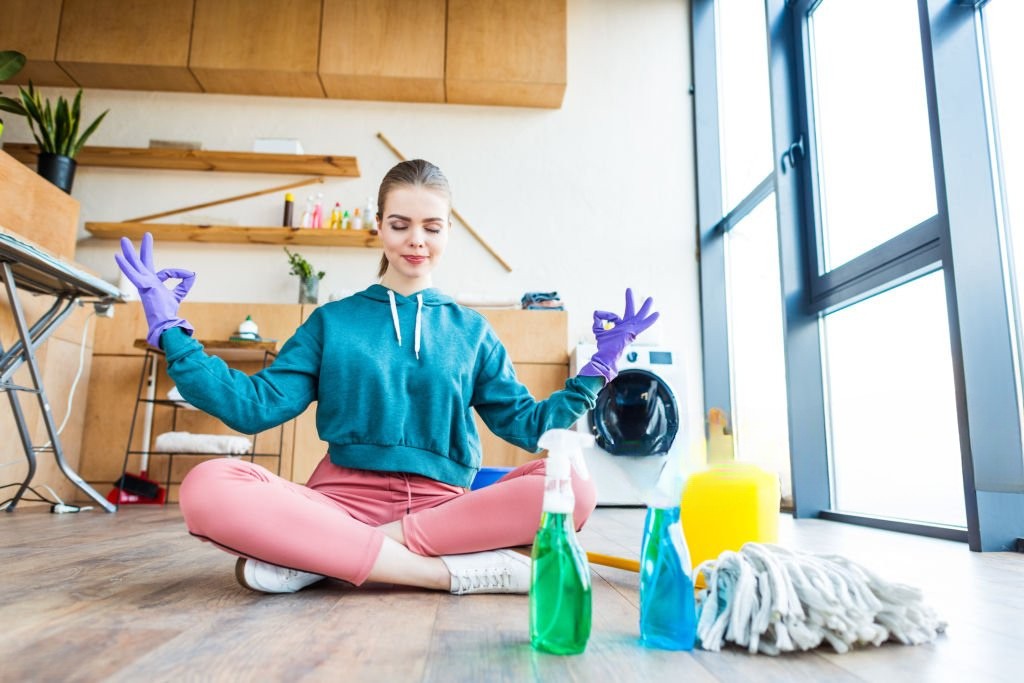
Running a busy family home is one of life’s most enriching and equally demanding challenges, but the inevitable uphill battle feels like climbing a mountain when staying on top of floor cleanliness.
It’s a constant challenge to keep a house free from dirt, grime, and debris that inevitably tracks indoors, and it’s tempting to put off floor cleaning for a day or two. But when you consider how important it is to maintain a healthy, chemical-free environment for your family, traditional cleaning products simply won’t suffice.
The good news is that creating an eco-friendly and manageable floor cleaning routine doesn’t require a huge overhaul of your habits and schedule. With a handful of natural ingredients, products and techniques tailored to each surface, whether it’s carpet, hardwood, tile, stone, or laminate floors, or a mixture, you can follow these essential tips to maintain pristine floors while protecting your family’s health in the long run.
Sweep and vacuum regularly
Before diving into the specifics, it’s important to drill home the importance of regular sweeping and vacuuming. A sweep and a vacuum every (or every other) day dramatically reduces the amount of time and effort needed for intensive cleans. Placing a natural coir doormat and implementing a shoes-off policy will also help to reduce the amount of outdoor contaminants and debris brought in from outside.
For homes with garages or multifunctional spaces that double as workshops, storage, or hobby rooms, never underestimate the ease of passing dirt between rooms via your footwear. As Wessex Garage Doors highlight, it’s important to consider your garage floor type—how porous and absorbent the material is—as well as cleaning door tracks to prevent the accumulation of debris. A regular sweep and vacuum of all surfaces in your indoor and outdoor rooms will foster a cleaner environment all around.
Natural floor cleaning solutions and products
Hardwood floors
Hardwood floors require particular attention being paid to moisture levels and pH balance, as cleaners that are too acidic can affect hardwood floor finishes. Create an effective natural cleaner by mixing 250ml of white vinegar with 250ml of warm water in a spray bottle. The compound will actively help to break down grime whilst being gentle enough for regular use.
When doing a deeper clean, adding a few drops of tea tree oil will provide a natural antibacterial property without any toxicity, which can’t be said for off-the-shelf cleaners. Be mindful that excessive moisture can damage wood floors, so be careful about the dampness of any mops you use.
Tiled and Stone Floors
Ceramic tiles and natural stone surfaces can handle slightly more intensive cleaning. Bicarbonate of soda or baking powder provides an excellent, gentle abrasive for removing stubborn stains, with the recommended ratio being 3:1 baking powder to water. Apply to particularly stubborn tile and stone stains, leave for a few minutes and then scrub with a soft brush. For regular cleaning, a solution of warm water with a few drops of washing-up liquid works wonderfully, with no harmful residue left. For homeowners seeking extra help with tougher tile jobs, SweepScrub highlights some of the best tile floor cleaning machines designed to handle deep cleaning efficiently while keeping surfaces safe and spotless.
LVT and Laminate Floors
Luxury vinyl tiles (LVTs) and laminate floors have become incredibly popular, given that they’re extremely durable and water-resistant. They can, however, be sensitive to harsh chemicals, where exposure can cause discolouration and damage to their protective coatings. The aforementioned mixture of water and white vinegar can be a great DIY floor cleaning solution which won’t compromise surface integrity. Alternatively, our neat floor cleaner starter pack is a fantastic solution to clean sticky surfaces and remove scuff marks while conditioning your surface.
Carpets
Home carpets can be challenging to keep on top of, particularly in homes with pets and young children. However, baking powder or bicarbonate of soda can be a godsend when sprinkled across the carpet and vacuumed, as it deodorises and absorbs odours while lifting embedded dirt from the carpet fibres.
It’s always important to blot spills and never rub, using a clean cloth and the vinegar-water compound mentioned above. The most vital step is to tend to spills immediately to prevent them from emanating odours, lingering and staining.
Deep Clean Every Month
Cleaning is rarely a task that busy parents and homeowners want to do, but it’s one which continually creeps up on everyone. Setting aside time to do a monthly deep clean will, however, pay long-term dividends, as the process will keep floors looking exquisite, bright, and shiny.
This will become particularly invaluable during the spring and autumn months, as mud and leaves will consistently find their way into your home. Consider placing rugs in entrance areas and tending to them more frequently to stay ahead of the mess. You’ll thank yourself later if you get into the habit.
Build Healthy Cleaning Habits to Stay on Top
The most important trait when maintaining your floor in an eco-friendly and sustainable way boils down to consistency rather than ferocity and intensity. Incorporating these healthy, eco-friendly and natural cleaning methods into your regular routine will ensure you have beautiful, sparkling floors that are easier to maintain in the long run.
While transitioning to natural and eco-friendly cleaning products may require a bit of forward thinking and effort initially, you’ll be grateful you took the time to do so as you and your family’s health and, by extension, your environmental footprint, will be all the better.