Hidden plastic can be found in an everyday product that many people never question: tea bags. In this Friendly Turtle EcoBlog, we explore what tea bags are really made from, why some contain polypropylene, nylon or PET, and how to identify genuinely plastic-free alternatives with confidence. You'll learn how to check the packaging, recognise different tea bag materials, understand the difference between compostable, home-compostable and biodegradable claims, and discover why loose-leaf tea is often the most sustainable option. We also examine the latest research surrounding microplastics released during brewing, helping separate established facts from ongoing scientific discussion. Whether you prefer the convenience of tea bags or are thinking about switching to a reusable infuser, there are simple ways to reduce unnecessary plastic without compromising on flavour or convenience. From choosing certified plastic-free tea bags to brewing loose-leaf tea in a reusable infuser, this guide explains how one small everyday change can help reduce waste, support more sustainable habits and make every cup of tea a little kinder to the planet.
Share your articles with us and get published! Reach out at hello@friendlyturtle.com.
Cycling as a Gateway to Lifelong Fitness Habits for Kids
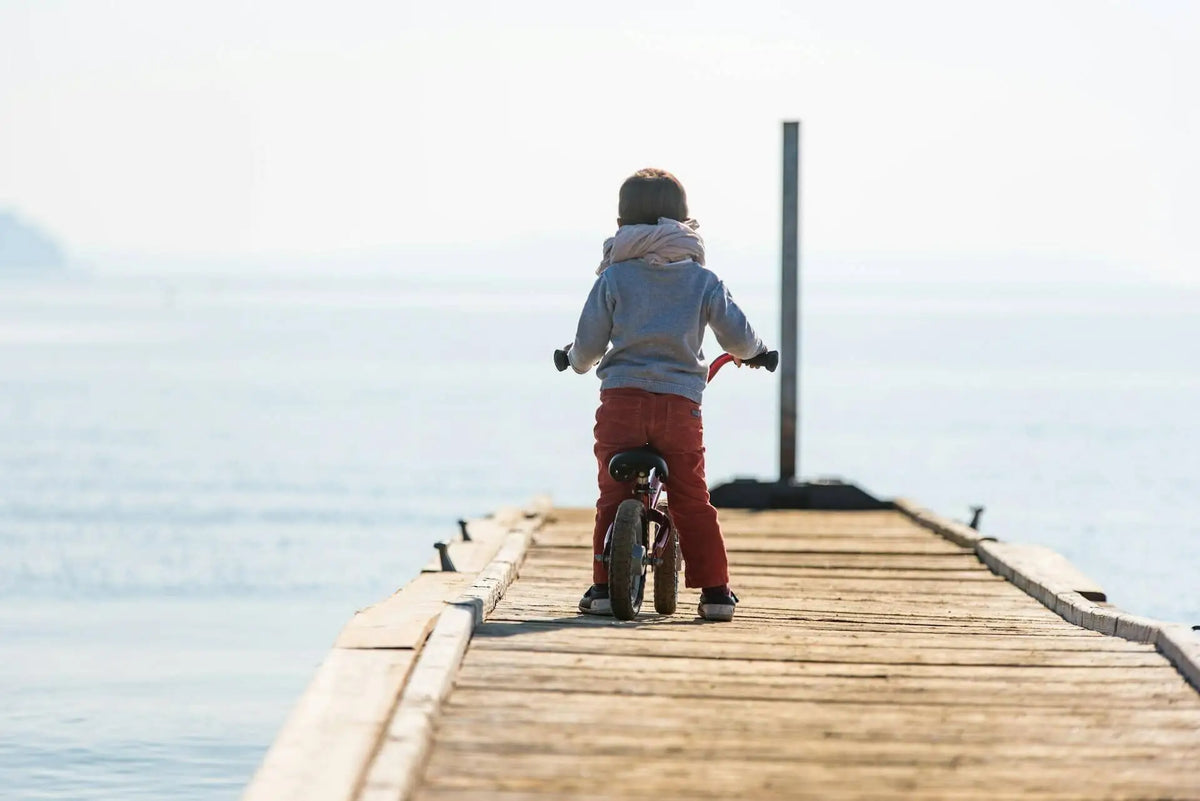
Getting kids to keep moving might prove difficult. Yet, cycling stands unmatched as a preferred activity for kids, enduring through the years.
Cycling is not just entertaining outdoor exploration; it's an excellent way of initiating fitness that can develop into lifelong sound health practices. And there's no better method of drawing kids cycling than presenting them with a fresh bicycle from Bobbin Bikes.
Why cycling?
Riding bikes is not only a method of getting around, but also a gentle yet comprehensive exercise that benefits heart health, muscle growth, and balance.
For children, cycling presents an entertaining avenue to experience nature as they develop physical strength and stamina. This sport can be enjoyed alone or with others, offering a flexible routine to suit any timetable.
Building healthy habits early
Propelling young ones to engage in cycling can shape a beneficial stance on physical exertion. Biking presents a means for kids to link fitness with delight, dismissing the notion of it being a burden.
When such a connection is established, moving on to diverse bodily exercises in future becomes comprehensible. In addition, biking is an enduring expertise - may it be pedalling to school, partaking in family rides at the weekend, or progressing to intricate cycling techniques, they will continually yield advantages from the physical endeavour.
Choosing the right bike
Choosing the right bicycle sets the stage for a lifelong obsession with cycling. It's vital for young riders to have a bike that fits them properly and suits their abilities. A bike that fits well ensures both safety and comfort, inspiring them to spend more time ped.
If you're in the market for a top-notch kid's bike, Bobbin Bikes has a selection of chic and sturdy designs aimed at youthful riders. These bikes are as much a joy to ride as they are reliable, offering the security your child requires to gain confidence on two wheels.

Expanding fitness opportunities
Children's cycling interests can grow as they do. Folding bikes are ideal for growing kids and teenagers desiring portability. They can bring it to a friend's house, school, or family trips. A folding bike balances convenience and capability.
Families with an affinity for cycling find that folding bikes simplify storage and transit, inspiring more shared outings and physical activity.
Cycling together as a family
If you want your kids to love bikes, ride as a family. Group cycles help families get closer, find gems in the neighbourhood, and make memories sure to be remembered.
This way, everyone gets their daily movement and a good time. You also teach the importance of an active, healthy life by making family fun on bikes. Along with that, you’ll make sure to see some beautiful scenery on the way, and you can even play fun games like guess what I’m looking at by the colour of it, while cycling.
Cycling surpasses typical kids’ hobbies; it's a ticket to lifelong health. As they get older, their bike passion will lead to greater adventures, keeping them moving and reaping the rewards of good health into their futures.
0 comments
Let customers speak for us
Blog posts
A long-distance moving day can feel overwhelming, but careful preparation makes the process far easier to manage. From confirming arrival times and protecting important documents to labelling boxes clearly and preparing a first-night kit, every small decision helps reduce delays, confusion and unnecessary stress. In this Friendly Turtle EcoBlog guide, we explain what to expect during pickup, loading, transit and delivery, while sharing practical long-distance moving tips for a more organised relocation. Keeping medication, identification, chargers, valuables and essential household items with you can prevent important belongings from disappearing into the moving truck. Photographing boxes, recording valuable items and checking paperwork carefully also creates a useful record in case anything is lost or damaged. Preparing clear walkways, arranging access and keeping children or pets away from busy areas allows the moving team to work more safely and efficiently. Thoughtful planning can also reduce waste by helping you avoid duplicate purchases, damaged belongings and unnecessary packing materials. With a reliable moving day checklist, clear communication and realistic expectations, your long-distance relocation can feel calmer, safer and far more manageable from the first packed box to the final delivery.
Zero-waste living is often presented as a simple matter of commitment, but many sustainable habits depend on time, planning, physical ability and reliable executive function. Refill shopping, preparing containers, cooking from scratch and remembering reusable items may feel manageable for some people while creating genuine barriers for disabled and neurodivergent individuals. In this Friendly Turtle EcoBlog discussion, we explore why accessible zero-waste living must account for different levels of energy, memory, mobility and sensory tolerance. Convenience products such as pre-cut food, plastic straws or disposable tableware are frequently criticised, yet they can make daily life safer and more manageable for people who need them. Inclusive sustainability should focus on reducing waste without turning convenience into a moral failure. Flexible systems, simpler routines and realistic alternatives can help more people participate in environmentally responsible habits. Progress might mean using one reusable bottle, following a weekly shopping routine or choosing low-effort options that prevent food waste. By designing sustainable products, refill schemes and community initiatives around real human needs, the environmental movement can become more practical, compassionate and effective for everyone.
