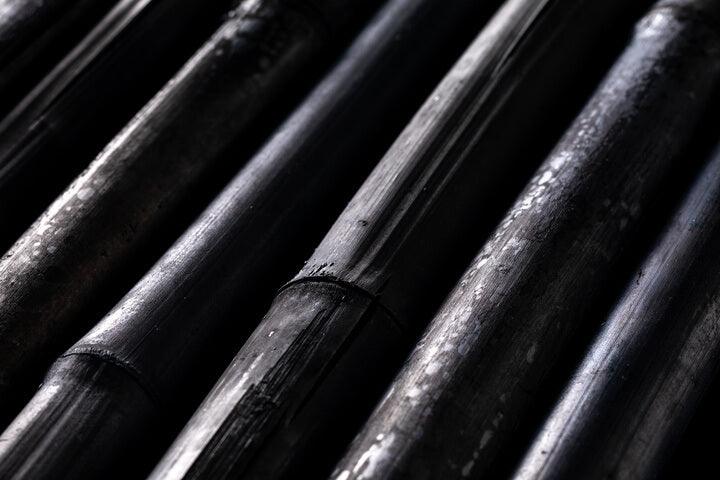
Are you aware of the benefits of Bamboo Charcoal Water Purification? This eco-friendly solution can effectively remove harmful contaminants from your water. It's a natural alternative to conventional water treatments.
You might be wondering how it works. Bamboo charcoal purifies water by adsorbing impurities, thus improving its taste and odor. Its natural purification power can even outperform many chemical methods. This possibility is offered by Filtap of course.
Need another reason to try it? Consider the environmental benefits.
Bamboo charcoal production has a minimal environmental impact, while your usage lessens the demand for harmful chemical purifiers. It's a win-win for your health and the planet.
Why Bamboo Charcoal for Water Purification
Bamboo charcoal filters present a green and plastic-free alternative to regular water filters.
The carbon adsorption quality enables the removal of impurities including chlorine and other chemicals from tap water.
-
Maintain Essential Minerals: These filters release important minerals like magnesium and calcium back into your water, enhancing taste and quality.
-
Zero-Waste Solution: Once no longer useful as a filter, bamboo charcoals can be used as dehumidifiers for cupboards. You can eventually compost them at home or use them as fertilizer.
-
Made with Care: The Taketora bamboo filters are crafted in Japan from special tiger bamboo. They focus on sustainable harvest methods, cutting bamboos manually during winter.
This green alternative aids in effectively purifying your tap water while ensuring an environmentally friendly solution.
Decide to make the switch today - for purity in every sip and a healthier planet.
The Making of Bamboo Charcoal
Bamboo charcoal comes from bamboo that's undergone a process called pyrolysis. This includes steps like dry, pre-carbonization, carbonization.
Every step towards making bamboo charcoal matters. This is more significant during the last stage, the termination carbonization temperature.
Different factors come into play while pyrolyzing bamboo. These range from the final pyrolysis temperature, speed of carbonization to bamboo's moisture content and size.
The quality of bamboo charcoal depends on its density, fixed carbon content, ash and volatile matter content, and specific surface area.
|
Temperature(°C)
|
Adsorption substance
|
Specific Surface Area(?/g)
|
|
700
|
Methanal
|
385
|
|
900
|
Methanal
|
N/A
|
|
700
|
Benzene
|
385
|
|
N/A
|
Ammonia
|
N/A
|
|
The data portrays how the adsorption capacity varies with substance and temperature.
|
This information highlights the versatility of bamboo charcoal in purifying water and other substances.
Bamboo waste like sawdust can also contribute to creating sustainable energy solutions like bamboo charcoal.
Understanding bamboo charcoal helps appreciate its potential as a resource-efficient, environmentally-friendly solution.
The adaptability of the substance ensures its relevance in varied applications like water purification, electromagnetic shielding and more.
Process: Bamboo Charcoal Water Purification
The bamboo charcoal water purification process is a natural, affordable way to clean your drinking water.
-
Get some bamboo charcoal: Start by sourcing some bamboo charcoal as your first step.
-
Rinse the charcoal: Rinse it thoroughly to remove dust and ash before use.
-
Put into water: Place the rinsed bamboo charcoal in your water container.
-
Wait patiently: Let it sit for some hours, usually between 4-8, for it to purify your water effectively.
This simple method can help remove chlorine and improve water taste. Bamboo charcoal water purification provides a sustainable pathway towards healthier drinkable water, alongside other eco-friendly home products.
Pros and Cons of Bamboo Charcoal Water Filters
Bamboo charcoal water filters present an eco-friendly option. They are manufactured without chemicals, aiding in sustainability.
Once these filters stop purifying water, they can work as mini dehumidifiers. This provides additional utility before composting them.
"Bamboo charcoal water filters are sustainable, chemical-free, and double as miniature dehumidifiers once they complete their lifespan as water filters."
However, using these filters requires more time than conventional plastic ones. The initial boiling, frequent sterilization, and eight-hour filtration process need planning.
In warmer months, producing enough filtered water could prove challenging without using extra charcoal. This could imply extra cost and require ample space for storing the water.
The filters also come packaged in a small plastic bag which is not entirely eco-friendly.
All in all, while bamboo charcoal filters are environmentally friendly and dual-purpose, they do have certain drawbacks to consider.
Maintaining Your Bamboo Charcoal Filter
Ever wondered how to keep your bamboo charcoal filter in top shape? Let's delve into it now.
How Often Should I Clean My Filter?
Ensure optimum operation by cleaning your filter every two months.
What Is The Cleaning Process?
Cleaning involves removing the bamboo charcoal and washing it under running water.
Do I Need Any Special Cleaning Agents?
No, you only need water and a soft brush to remove the impurities.
How Do I Know When It's Time To Replace My Filter?
If after cleaning, your water doesn't taste fresh, it's probably time for a new filter.
What Happens If I Forget To Clean My Bamboo Charcoal Filter?
Neglecting maintenance can lead to reduced efficiency and poorer quality of water over time.
Can I Use The Old Bamboo Charcoal For Something Else?
Absolutely! Used bamboo charcoal makes excellent compost for plants, adding useful minerals to the soil.
Is Cleaning A Bamboo Charcoal Filter Hard?
No, the cleaning process is quite simple and doesn't require specialist knowledge or tools.
Can The Same Maintenance Process Be Used For All Bamboo Charcoal Filters?
Yes, whether for a home or office filter, the cleaning process remains the same.
I'm Worried I Might Damage My Filter While Cleaning It. What Should I Do?
In most cases, as long as you're gentle during cleaning, there's no risk of damaging your filter.
Beyond Water Filtering: Additional Uses of Bamboo Charcoal
You may wonder about the usefulness of bamboo charcoal after its filtering ability fades.
-
Acting as Mini Dehumidifiers: Sit theUseder filters in a small bowl with a kitchen paper sheet. Place it in your cupboards to keep dampness away.
-
Composting: Crush these expired filters and mix them into your compost pile. They'll enrich the compost with quality nutrients.
-
Home Decor: Tied together strings of used filters make a rustic home decor element. An eco-conscious style statement.
-
Insect Repellent: Burn them to repel insects. Bamboo charcoal smoke deters pests quite effectively.
Beyond water purifying, bamboo charcoal leads an active 'second life' in these ways you might never expect!
Choosing the Right Bamboo Charcoal Product for Purification
You might have a chlorine sensitivity. If so, bamboo charcoal water filters can help.
These are a sustainable product because they produce zero waste and are chemical-free.
Towards a Sustainable Approach
Once these filters lose their use, recycle them as mini dehumidifiers.
These can fit nicely in kitchen cupboards to combat dampness.
Eventually, you can crush them up and mix into a compost heap.
The Filtering Journey
Bamboo charcoal does require initial boiling and weekly sterilization for safe usage.
The method is slow, taking 8 hours, hence plan your consumption carefully.
For higher demand, like in summer, you might need more charcoal filtering.
Being Efficient with Your Bamboo Charcoal Filters
You receive the filters in a small and handy plastic bag.
To maintain steady water supplies, filter at night and morning.
Store the filtered water in swing-top glass bottles for best results.
Affordability of Bamboo Charcoal Filters
Bamboo filters might seem expensive, but compared to plastic ones, they are affordable.
The cost also depends on your desired filtering volume and purchase quantity.
You may also come across other brands advertising longer-lasting filters to consider.
Your Health Advantage
With bamboo charcoal water purification, you're investing in better health. This method ensures your water is clean, free from toxins, and rich in minerals.
You're not just purifying water, you're protecting your health and the health of your family. It's a simple step that brings substantial benefits to your life.
Explore more about this natural, cost-effective method and others at Filtap. They can assist you in making an informed decision for your water purification needs.