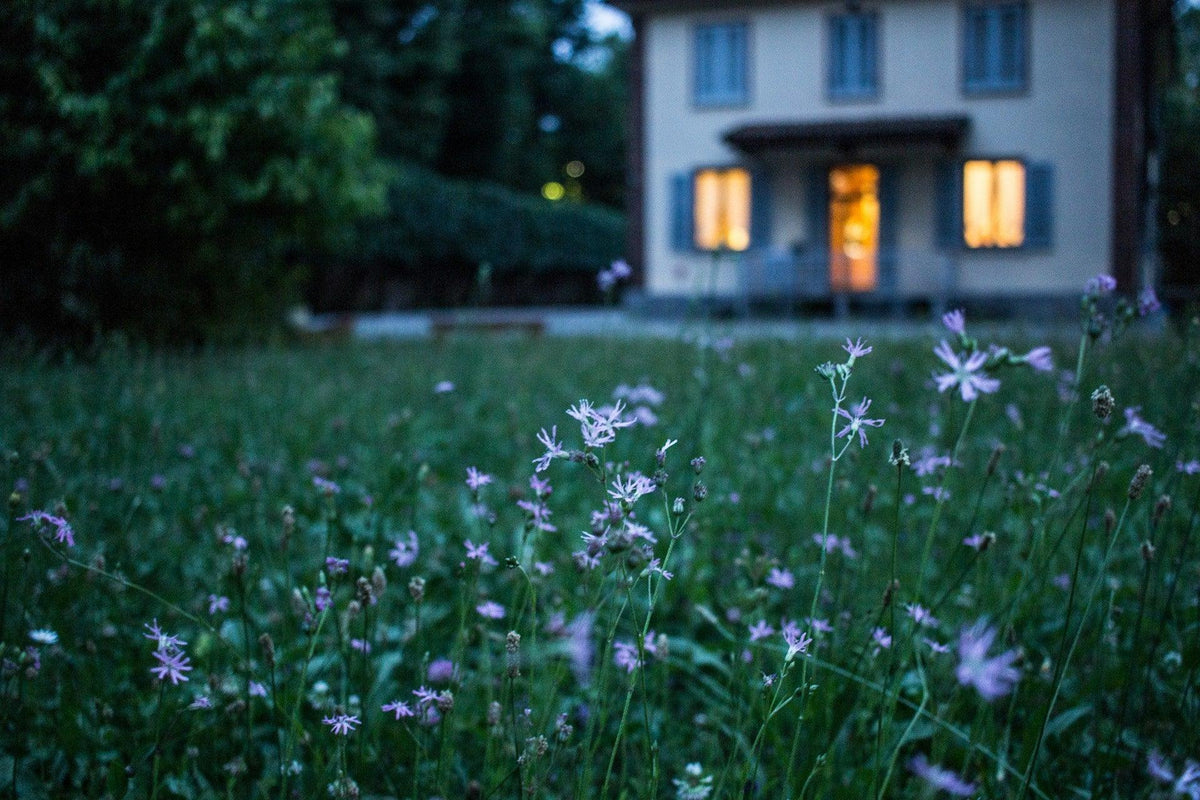
A feature wall can instantly make a living room feel more intentional, adding depth and character without a full renovation. The key is choosing the right surface (often the wall behind the sofa, fireplace, or TV), then matching colour, texture, and lighting to the way you actually use the space. Deep blues, greens, and charcoals create a cosy, evening-friendly mood, while warmer terracottas and ochres bring energy for social rooms. If paint feels too simple, wallpaper, slatted panelling, or subtle texture can deliver impact without overwhelming the rest of your décor. Keep sight lines in mind, avoid walls broken up by doors and windows, and test samples across morning, afternoon, and lamp light before committing. At Friendly Turtle EcoBlog, we love home updates that look great and last: thoughtful choices, quality finishes, and flexible styling that won’t date after one season.
Share your articles with us and get published! Reach out at hello@friendlyturtle.com.
8 Eco-Friendly Tips for Designing a Functional Home
We all need to realize that we need to make an effort to help the world we live in. There are so many things that we can do and avoid which help our environment and these can be done at home. Here, we will give you a small list of things you can do today to help the world around us.
-
Eco-friendly furniture
When buying furniture, you should get pieces that are completely made out of natural materials, which means that they do not have any paint or plastic on them. Many such pieces will both look good and be much better for the environment. When you buy a round dining room table that expands and is almost completely made out of wood, you will have an item on which much less energy is spent than on other furniture pieces. There are many lovely options that you can opt for when buying furniture that does not harm the environment as some other pieces.

-
Energy efficiency
One of the things that you must do if you want to be eco-friendly is find ways to preserve energy, leading to using less of it. There are many things that you can do to achieve this. Think about insulating your home. By doing this, you will spend less money on heating in the winter and cooling in the summer since it keeps the energy inside the house and does not allow the cold and heat to enter. Also, get new windows if the ones you have are run down since they won’t allow energy to escape the house. If it is possible when buying household appliances, you should buy ones that are energy-efficient.

-
Try to reuse items
A great way to help the world is by trying to reuse items so that you do not throw anything away. You would be astonished by what you can do with all the things that end up in the dumpster. For example, let’s look at tires. Many people do not recycle tires, they just throw them away but they can be used for many things around the house. You could make a flower bed out of them, or you can make a swing. Also, you could even make furniture out of it by covering it with rope or some other material and putting a cushion on top of it. You can be very creative with the things you throw away. Whenever you think of disposing of something, think beforehand about whether you can use it somehow. This way, you do not want to create any waste, but on the contrary, you will create something beautiful and unique.

-
Smart technology
Many people think that they need to completely give up any new technology because they think they are hurting the environment by getting it but that does not have to be the case. There are so many different devices that will help you preserve energy and that have other environment-beneficial qualities. For example, by buying a modern thermostat, you will be maintaining a temperature in your home that is exactly right, which means that you do not need to spend more energy to cool or heat it. Also, some devices help you monitor how much energy you are spending, which can help you reduce the amount that you are using.

-
Reduce your waste
We should all think about better ways to reduce the amount of waste we are creating. One great way to do that is by producing our own vegetables and fruits. You would be astonished at how much you can do with a small patch of land when it comes to getting produce. Why should you buy packaged cherries from a store when you can eat them fresh from a tree? Why buy pre-made salads when you can get fresh vegetables from your garden and make a fresh salad on your own? These vegetables and fruits do not have any pesticides on them and they are completely fresh and lovely. Another good way is by always carrying your own bag when going to a store. This way, you won’t get a new one every time you buy something.

-
Reflect on how you lived before
What many people do not seem to remember is that we lived completely fine without some of the luxuries that we now have. Most houses only 15 years ago did not have an AC unit in their home. Now, as soon as it gets a little hot, we turn it on. We need to reflect on how we managed to endure things back then and try to implement those methods right now if we can. As long as those methods are better for the environment, we should try them out.

-
Think about your outdoor space
You can do many things to your outdoor space which would benefit the world we live in. You should think about things you can install on your property which would benefit the wildlife around your area. For example, you can install a water feature that birds and other animals can enjoy during the hot summer months. Of course, the water inside it should circulate so that you do not waste it. Also, you could invest in a bird feeder where birds, squirrels, and some other species can eat until they are full. By introducing these things to your outdoor space, you will also benefit yourself since you will be greeted by bird songs and other animal noises, which are always lovely to hear.

-
Manage water
There are many ways you can reduce the amount of water that you spend. One way is that if you have a garden, then look into ways you can collect rainwater that you can later use to water the garden. You could direct the water from your roof into a large container next to your home. If you live in an area where it rains quite often, you won’t have any need to use any water except the one you collected.
We all need to look for better ways we can help the world we live in. Of course, we cannot go back to the Stone Age because of it, but small things can matter a lot in a large scheme of things.

0 comments
Let customers speak for us
Blog posts
Good oral health starts long before the first wobbly tooth. When children learn simple routines early, they’re far more likely to avoid cavities, gum irritation and the stress of emergency appointments later on. Begin with regular dental check-ups so small issues are spotted quickly and visits feel normal, not scary. At home, let your child choose a toothbrush they actually like, then guide them through gentle circular brushing for two minutes, twice a day. Add flossing as soon as teeth touch, and keep it upbeat with a short story or a timer song. For a more planet-friendly routine, pick durable brushes (or responsibly sourced bamboo), turn off the tap while brushing, and choose refillable or recyclable packaging where possible. Friendly Turtle EcoBlog shares practical, low-waste lifestyle ideas like these, helping families build habits that protect little smiles while treading lighter on the Earth.
Preventive care is one of the kindest, most sustainable choices you can make for your pet. Many health problems start quietly: a little plaque, a mild itch from parasites, a gradual dip in energy, or stiffness that only shows up after rest. Left alone, these “small” issues can build into painful dental disease, weight-related strain on joints, or conditions that affect the heart, lungs, liver, or kidneys. In this Friendly Turtle EcoBlog guide, we share practical habits that protect pets over time, from parasite control and lifestyle-led vaccinations to age-appropriate nutrition, daily movement, and simple grooming checks that spot changes early. Consistent routines also matter more than most owners realise, helping you notice subtle shifts before they become expensive emergencies. The goal is not perfection, but steady, evidence-led care that keeps your companion comfortable, active, and thriving for longer.
