Are you looking to reduce heating costs while protecting the environment? We all want to save money, but it’s even better when we can do so in a way that benefits our planet.
Luckily, there are many simple ways to keep your home warm and conserve energy simultaneously. This article will explore five easy tips for reducing heating costs without sacrificing environmental responsibility.
1. Upgrade to Energy-Efficient Heating Systems
With the rising energy cost, it is important to find ways to reduce heating costs while protecting our environment. Upgrading to energy-efficient systems can help homeowners reduce their monthly bills and minimise their environmental impact.
Heating upgrades are one of the most effective options for saving money and being eco-friendly. Installing high-efficiency gas furnaces or heat pumps can significantly lower your utility bill by reducing wasted energy.
Additionally, newer models often come with smart thermostats, which allow you to adjust temperatures from anywhere using a mobile device. This improves convenience and lets you better monitor and control your usage levels. These are all easy steps that anyone can take towards becoming more sustainable while cutting down on excessive spending.
2. Improve Insulation
Furthermore, improving insulation is another great way to reduce heating costs while protecting the environment. Whether your home has old or inadequate insulation, upgrading it can greatly affect energy efficiency and comfort.
When looking for an insulation upgrade, consider using eco-friendly materials such as cotton, denim or wool - these are both biodegradable and renewable resources that help insulate your home without harming the planet.
Invest in energy-efficient windows and doors that provide extra insulation against outdoor temperatures.
In addition to insulation, don't forget about the importance of gutter cleaning. Regular gutter maintenance ensures proper water drainage and prevents issues like leaks and water damage. By keeping your gutters clear of debris, you contribute to the overall well-being of your home, enhancing its longevity and sustainability.
Invest in energy-efficient windows and doors that provide extra insulation against outdoor temperatures.
Ultimately, insulating your home correctly and maintaining clean gutters help maintain comfortable temperatures inside regardless of what’s happening outside – reducing wasted energy and keeping more money in your pocket each month.
3. Use Renewable Energy
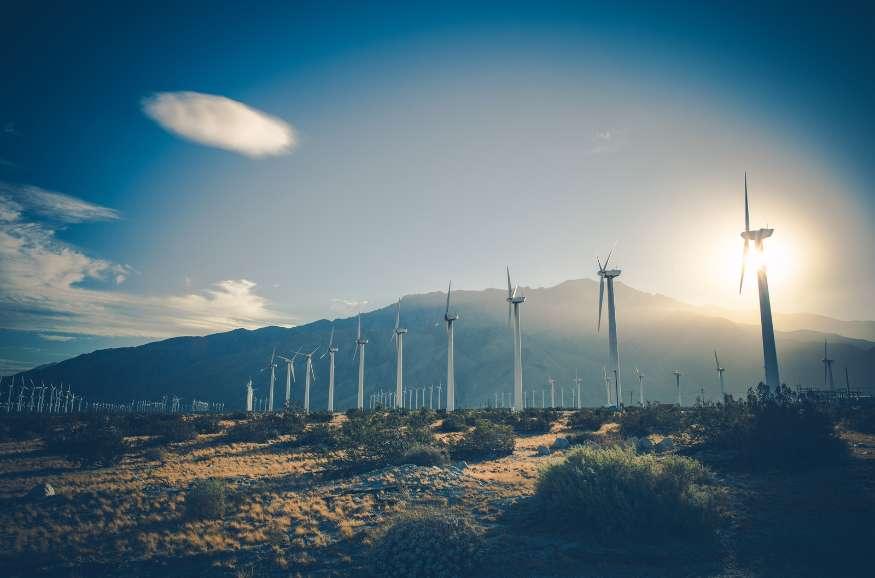
When it comes to reducing heating costs and protecting the environment, renewable energy sources are an absolute must. Renewable energy sources like solar can provide clean, cost-effective heat while significantly decreasing your carbon footprint.
Installing a solar panel system on your roof or in your garden can generate electricity that can be used for heating and powering other appliances around the house.
But if you don’t have access to solar panels, there are still plenty of ways to use renewable energy for heating purposes. For example, passive solar design by orienting windows towards the sun during winter will naturally absorb the sunlight’s thermal energy – warming up your home.
Additionally, installing a wood stove or pellet stove produces heat from burning biomass fuel (energy from living things) and reduces air pollution compared to traditional furnaces and stoves.
Ultimately, taking full advantage of all these renewable energy sources will help reduce our reliance on fossil fuels and drastically decrease monthly utility bills.
4. Invest in Smart Thermostats
Another great way to reduce heating costs while protecting the environment is by investing in a smart thermostat.
Smart thermostats are designed to learn your daily and weekly routine, automatically adjusting temperatures accordingly to maximise energy savings. By using AI technology, these ‘smart’ devices can detect when you’re away from home or asleep and lower the temperature until you return – decreasing monthly utility bills without compromising comfort levels.
Installing a smart thermostat is a small yet effective way to save money on utilities while reducing your carbon footprint simultaneously!
5. Make Lifestyle Changes
Making lifestyle changes is another great way to reduce heating costs while being environmentally conscious.
Although it may sound like a daunting task, simple energy-saving habits such as turning off lights when leaving a room and unplugging electronics that are not in use can make an impact.
Additionally, utilising natural light during the day and ensuring windows are properly insulated will help keep your home warm without constantly turning up the thermostat.
When the weather gets cooler outside, layering clothes or using blankets instead of cranking up the heat is also a smart technique. Investing in quality thermal curtains or window coverings can further enhance insulation levels, so less energy is needed for heating throughout winter.
Making small but meaningful lifestyle adjustments will greatly reduce costs while protecting our planet’s limited resources.
In Summary
We all want to reduce our heating costs while protecting the environment. We can achieve both goals by utilising energy-efficient systems, improving insulation, and taking advantage of renewable energy sources such as solar power.
With a little effort and creativity, each of us can do our part in creating a more sustainable future for generations to come!



0 comments