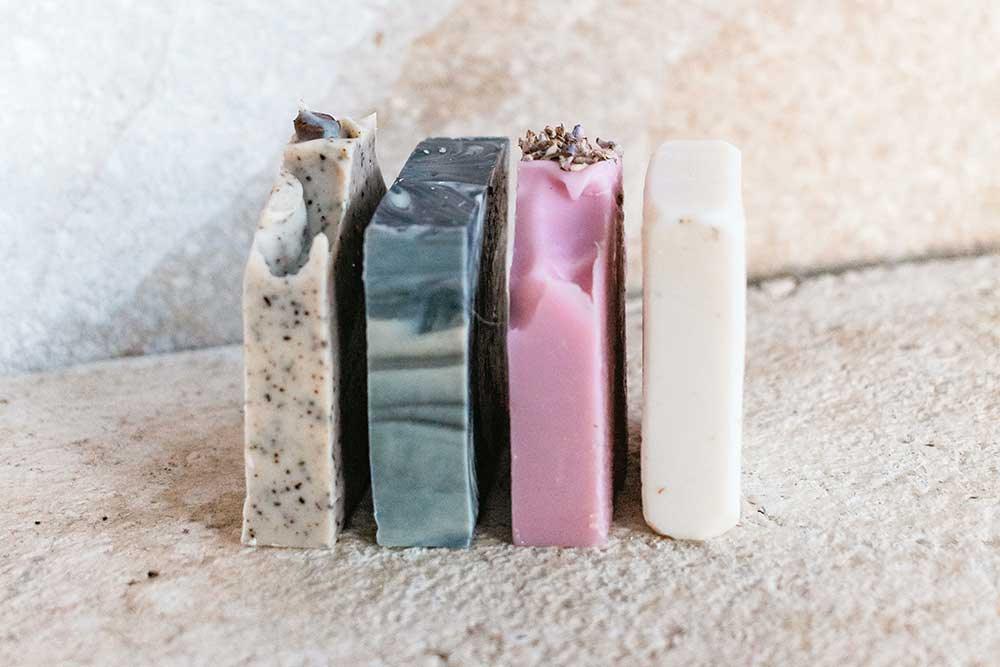
Today we're answering the question 'what are the benefits of all natural soap bars' since its something we get asked a lot here at Friendly Turtle.
If you’ve been on the internet in recent years, you must have noticed the rise in popularity of good old natural soap bars. From the most basic zero waste bars to artisanal natural soap bars, the selection has never been as varied as it is nowadays in the many plastic free and zero waste shops in the UK.
As zero waste and sustainability enthusiasts, we love to see this. Natural soap bars have many benefits which often go unmentioned – and we wanted to celebrate them today while helping you with making the switch to natural soap bars.
No nasty perfumes – just natural, essential oils
You may have noticed that many conventional soap brands have the word ‘perfume’ on their ingredient list. This one simple word could be hiding thousands of different chemicals that the companies do not have to disclose, as it is considered a trade secret. However, many of these synthetic perfumes can be very irritating to the skin, especially if you’re dealing with any skin problems already.
One of our favourite benefits of all natural soap is that it doesn’t contain any of these nasty hidden chemicals. Most natural soap bars are scented with essential oils, which add valuable nutrients and properties to the soap. Many of them have anti-bacterial, anti-fungal or anti-inflammatory properties which help prevent skin health.
They can also have some great aromatherapy benefits – use natural soap bars with lavender essential oil if you’re showering at night, to help you relax. If, on the other hand, you’re showering in the morning, peppermint or citrus essential oils can help wake up your body and mind.
Natural soap moisturises your skin
Whenever soap is made, glycerin is naturally produced. It works as a humectant, which means that it attracts moisture. However, many conventional soaps remove glycerin to use it in more high-end moisturising products instead.
Natural soaps leave it untouched, which makes the natural soap bars themselves better for moisturising your skin.
The natural oils & fats are better for the planet
Natural soap is also usually made with natural, plant-based fats such as olive oil and coconut oil. Eco-friendly soaps avoid palm oil, which makes them better for the planet as well – in case you didn’t know, palm oil is responsible for large-scale deforestation in tropical areas.
We’d also recommend that you stay away from the rare option of soaps made from animal fats, as these have a high carbon footprint. This is also largely true for ingredients such as goat milk, which are sometimes included in natural soaps.
Coconut oil, olive oil, cocoa butter or shea butter aren’t just more sustainable to produce, but they’re also wonderful moisturising ingredients for your skin.
Zero preservatives inside
Aside from containing no harmful perfume, another of the benefits of all natural soap bars is they also contain no preservatives which could irritate your skin or cause other health problems.
It’s easy to tell whether a soap has preservatives in it without even looking at the ingredient list – from the use-by date. If the packaging states that the soap will keep for several years, it’s almost certainly got some harmful preservatives in it.
If you did happen to buy too much natural soap and can’t find a way to use it all before it expires, you can actually freeze natural soap bars until you need to use them!
Eco-friendly, plastic free packaging
Natural soap bars will almost always come without unnecessary packaging and helps you eliminate the plastic waste from your bath and shower time. Unlike shower gels and hand washes, soap comes without the pesky plastic helping you on your way to a plastic free bathroom.
Instead, your natural soap comes wrapped in paper or cardboard, and sometimes they come without any packaging at at for the perfect zero waste alternative. Check out Soap Daze and their range of naked soaps and soap on a rope without the packaging.
Supporting small businesses
One of the best benefits of all natural soap that we love is how it helps us support small businesses. Contrary to commercial soaps and shower gels from big corporations, natural soap bars are typically made by small, independent and family-run businesses.
By buying natural soap bars, you’re supporting these small brands and doing a great thing not just for the planet, but also for the economy and the community local to the area they are based in. This may not seem too important, but think of this – would you rather have local independent stores on the street you live on, or multinational chains?